Cleaning for Air Freshening - CarInteriorMix
Cleaning for Air Freshening
If your car smells ?off,? hanging another air freshener is usually just putting perfume on a problem. Most lingering odors in a vehicle come from small, hidden messes: spilled coffee in the seat seam, damp floor mats, a funky cabin air filter, or yesterday?s takeout bag living under the passenger seat.
The good news: you don?t need a full detail to get your car interior smelling clean again. A few targeted cleaning moves?plus the right products (or simple DIY swaps)?can remove the odor source and leave the cabin actually fresh. Here are practical, quick wins that everyday car owners can do in a driveway or parking spot.
-
Start with a ?trash sweep? and remove the smell sources
Before you clean anything, remove everything that can hold odor: fast-food bags, empty bottles, gym clothes, damp umbrellas, and random papers. Odors cling to porous items and keep re-stinking the cabin even after you wipe surfaces. Real-world example: that ?mystery smell? is often a forgotten apple or protein bar wrapper under the seat rail.
-
Vacuum like you mean it: seams, seat rails, and under-mat grit
Use a crevice tool and go slow?especially in seat seams, around the handbrake/center console, and under the front seats where crumbs and spills collect. Ground-in food and dirt are odor factories, and they also make your car carpet smell musty when humidity rises. If you don?t have a shop vac, a strong cordless vacuum plus a stiff interior brush to lift debris works surprisingly well.
-
Clean your floor mats separately (and dry them fully)
Pull the mats out of the car. Rubber mats: scrub with warm water and a little dish soap, rinse, and let them dry upright. Carpet mats: spray an upholstery cleaner (Meguiar?s Carpet & Upholstery Cleaner is a solid pick), agitate with a brush, then blot with microfiber towels; don?t reinstall until they?re completely dry or you?ll trap moisture and create a mildew smell.
-
Spot-treat spills fast with an enzyme cleaner (not just fragrance)
If you?ve had milk, coffee with cream, pet accidents, or anything ?organic? spill, an enzyme cleaner is the difference between ?masked? and ?gone.? Products like Nature?s Miracle or Biokleen Bac-Out break down odor-causing residue in fabric and carpet. Scenario: you wiped up a latte weeks ago, but the seat still smells on warm days?enzyme treatment in the seam and padding usually fixes it.
-
Wipe the high-touch plastics where odors stick (steering wheel, console, cupholders)
Skin oils, spilled drinks, and sticky residue hold onto smells and make the cabin feel stale. Use an interior cleaner like Chemical Guys Total Interior or a mild DIY mix (warm water + a drop of dish soap) on a microfiber towel?avoid soaking electronics. Pay extra attention to cupholders and door pockets; they?re common ?mystery spill? zones.
-
Deodorize fabric with baking soda?then vacuum it out
For general ?old car? odor in cloth seats and carpet, sprinkle a light, even layer of baking soda, let it sit 30?60 minutes, then vacuum thoroughly. It helps absorb odors without adding perfume. Safety note: keep baking soda away from vents and switches, and don?t do this on wet fabric?dry first so you?re not making paste in the fibers.
-
Replace the cabin air filter (it?s the air you?re breathing)
A dirty cabin air filter can make your car smell dusty, sour, or like exhaust, especially when the fan is on. Most filters are behind the glovebox and take 5?15 minutes to swap?check your owner?s manual or a quick video for your model. Consider an activated carbon cabin filter if you drive in traffic a lot; it helps reduce odors and fumes.
-
Clean the vents and kill ?AC funk? with a vent-safe foam or spray
If the smell hits when you turn on the air conditioning, you?re likely dealing with moisture and bacteria on the evaporator core. Use an AC evaporator cleaner (like Nextzett Klima-Cleaner or a similar vent/evaporator foam) following directions carefully; many are designed to be applied through vents or the drain tube. Quick habit that helps: turn off AC a minute before parking and let the fan run to dry the system.
-
Use activated charcoal for passive odor control (no perfume)
After cleaning, tuck a couple of activated charcoal odor absorber bags under the seats. They?re great for ongoing car odor removal because they don?t add scent?they just absorb. DIY alternative: a breathable pouch filled with charcoal pellets works, but keep it secured so it doesn?t spill during hard braking.
-
For stubborn smells, do a controlled ?deep deodorize? with an ozone treatment?carefully
Smoke smell, heavy mildew, or long-term pet odors sometimes need ozone, but safety matters. If you use a small ozone generator, follow the manual: no people, pets, or plants inside; run it for the recommended time only; then air the car out thoroughly with doors open for 30?60 minutes. If that sounds like too much hassle, many local detailers offer ozone odor removal as a one-time service.
-
Pick the right air freshener last (and place it smart)
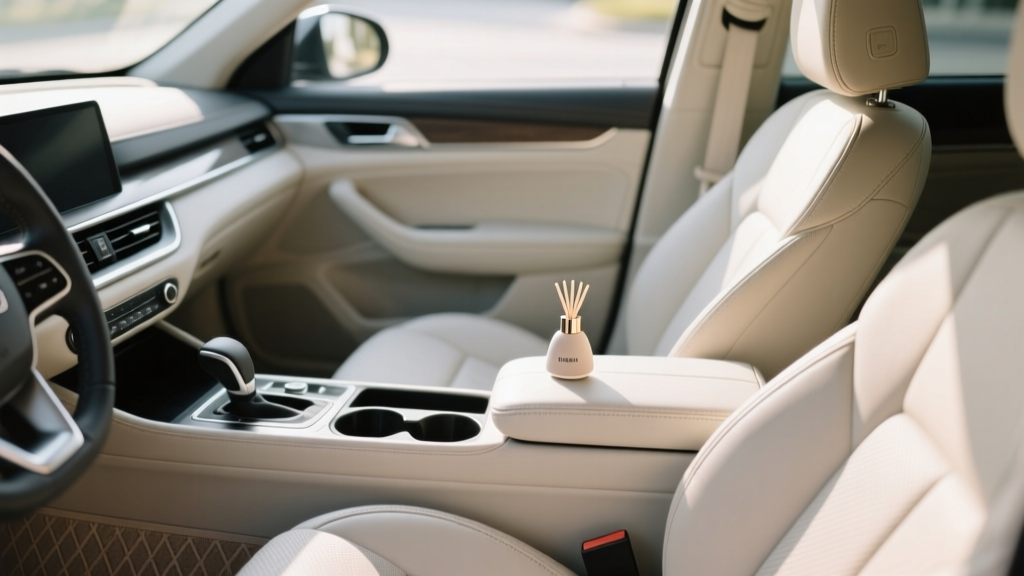
Once the interior is actually clean, a light air freshener can be the finishing touch. Vent clips work fast but can be overpowering if pointed at your face; under-seat gel fresheners (or a small essential-oil diffuser made for cars) are usually more subtle. Avoid dripping liquid fresheners on plastics?some can stain dashboards or soften trim over time.
Quick reference: fastest wins for a fresher-smelling car
- Remove trash + anything damp (gym bags, towels, old food)
- Vacuum seat seams, under seats, and around the console
- Wash and fully dry floor mats outside the car
- Use an enzyme cleaner for food/pet/milk spills
- Replace the cabin air filter (consider activated carbon)
- Fix AC odor with an evaporator/vent cleaner
- Add charcoal bags after cleaning for ongoing odor control
A clean-smelling car interior doesn?t come from stronger fragrance?it comes from removing what?s causing the smell and keeping moisture under control. Try two or three tips that match your situation (spills, AC funk, smoke, or just stale air), and you?ll usually notice a difference the same day. Once the cabin is fresh, your air freshener becomes optional instead of a cover-up.