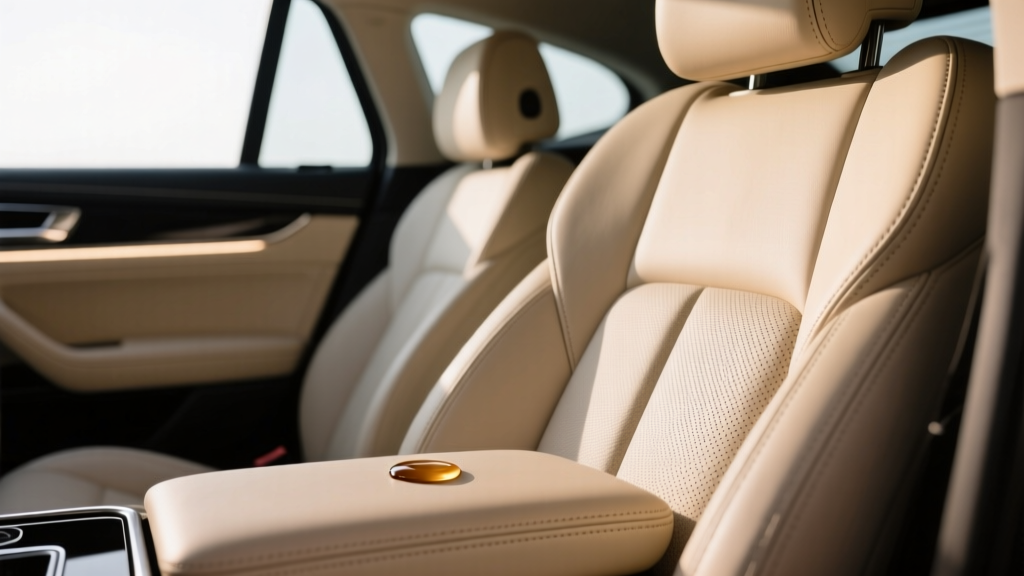
How to Clean and Condition Leather Car Seats Without Damaging Them
Leather car seats add luxury and comfort to any vehicle, but they require specific care to maintain their appearance and longevity. Many owners unknowingly damage their leather seats by using the wrong products or techniques. This guide covers the correct cleaning and conditioning process that professional detailers use.
Understanding Automotive Leather
Most modern car leather is coated — a layer of clear protective coating sits on top of the dyed leather. This coating is what you are actually cleaning, not the raw leather itself. The coating protects against UV damage, spills, and abrasion but it degrades over time. Understanding this is crucial because harsh chemicals that strip the coating will damage the leather underneath.
Step 1: Vacuum Thoroughly
Before any liquid touches your seats, vacuum every crevice. Use a soft brush attachment on the seat surface and a crevice tool between seat cushions and along stitching lines. Loose dirt and sand particles act like sandpaper when you wipe the surface — they grind into the coating and create micro-scratches that accumulate over time. Spend at least 5 minutes per seat.
Step 2: pH-Neutral Cleaner
Use a pH-neutral leather cleaner specifically designed for automotive use. Products like Leather Honey Leather Cleaner, Chemical Guys Leather Cleaner, or Colourlock Leather Cleaner are safe choices. Spray onto a soft horsehair brush (not directly on the seat) and work in gentle circular motions on one section at a time. The brush agitates dirt out of the leather grain without scratching the coating. Avoid household cleaners, saddle soap, and any product containing ammonia or bleach.
Step 3: Wipe and Dry
Immediately wipe the cleaned area with a clean microfiber towel. You will see dirt transfer to the towel — this is normal. Use a second dry towel to remove any remaining moisture. Never let cleaner dry on the surface as it can leave residue that attracts more dirt. Work systematically: driver seat top to bottom, then passenger, then rear seats.
Step 4: Condition
After the leather is completely dry (wait 30 minutes), apply a quality leather conditioner. Conditioners replenish the oils that keep leather supple and prevent cracking. Apply a small amount to a foam applicator and spread in thin, even coats. More is not better — excess conditioner sits on the surface, feels greasy, and attracts dust. Allow 15 minutes for absorption, then buff with a clean microfiber to remove any residue. Condition every 3-6 months depending on climate and usage.
Common Mistakes to Avoid
Never use olive oil, coconut oil, or baby oil on leather seats — they go rancid and create permanent stains. Avoid steam cleaners on leather — the heat and moisture can separate the coating. Do not use magic erasers or abrasive pads — they sand away the protective coating. Skip products labeled "leather protectant" that contain silicone — they create a shiny, slippery surface that looks artificial.
Dealing with Stains
For ink stains, use a leather-specific ink remover stick (Colourlock makes one). Apply immediately — ink sets permanently within 24-48 hours. For dye transfer from dark jeans, use a leather cleaning eraser followed by cleaner. For water stains, clean the entire panel evenly to avoid creating watermarks. Oil and grease stains may require a leather degreaser — apply, let it dry to a powder, then brush off.