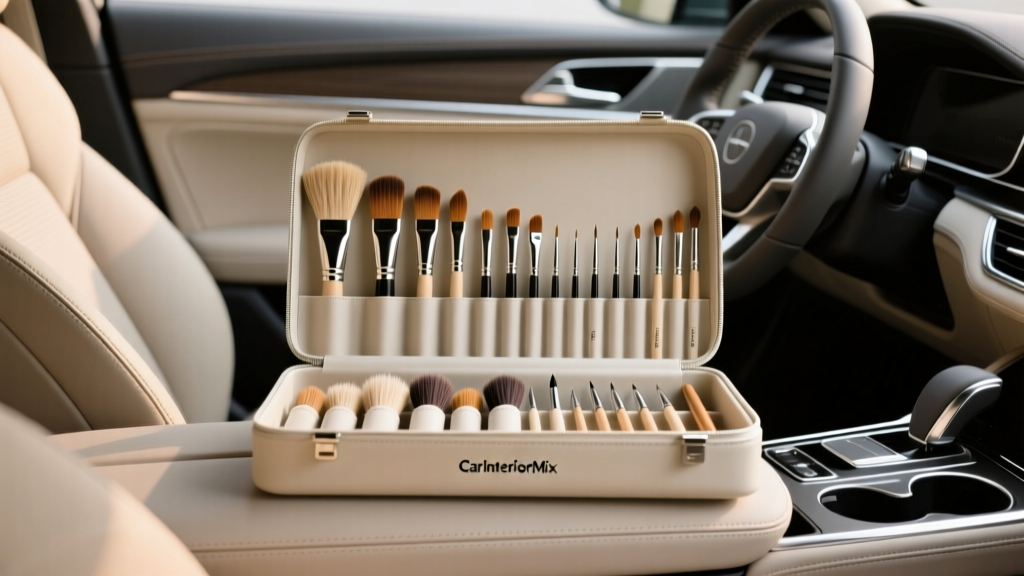
Brush Storage Case Troubleshooting Guide - CarInteriorMix
A good brush set can be the difference between a quick, satisfying interior detail and a frustrating afternoon of chasing dust around your cabin. But the unsung hero of that brush set is the storage case. When a brush case fails?zippers jam, foam inserts crumble, bristles deform, or moisture gets trapped?your favorite interior detailing brushes can become bent, contaminated, or even moldy.
For car owners who care about clean vents, crisp stitch lines, and spotless cupholders, a brush storage case is more than packaging. It?s part of your interior detailing system. A case keeps bristles shaped, prevents cross-contamination between ?clean? and ?dirty? brushes, and protects your brushes from getting crushed under a vacuum, bottles, and microfiber towels in the trunk.
This guide breaks down the most common brush storage case problems, why they happen, and how to fix them step by step. You?ll also find product recommendations, common mistakes to avoid, and a quick FAQ to keep your detailing tools in top condition.
Why Brush Storage Cases Fail (and Why It Matters for Your Interior)
Brush storage cases live a tough life: tossed into door pockets, rolling around cargo areas, exposed to humidity, and sometimes packed away while brushes are still damp. The typical failures aren?t random?they usually come down to a handful of predictable causes:
- Moisture retention: damp brushes sealed inside a non-breathable case create a perfect environment for mildew and odor.
- Compression and crushing: heavy items in a detailing bag can bend bristles and warp handles.
- Debris contamination: brake dust or gritty particles hitch a ride from one brush to the next if the case isn?t cleaned.
- Material fatigue: cheap zippers, thin stitching, or low-grade foam inserts break down with normal use.
- Chemical exposure: APC overspray, solvent cleaners, or dressings can soften plastics and degrade adhesives.
When your brush case is compromised, you?ll notice it in your results: streaky dusting, micro-scratches on piano black trim, or that musty smell that returns a week after you ?cleaned everything.?
Quick Diagnostic Checklist
Before you try to fix anything, spend two minutes diagnosing the issue. This prevents ?fixing the wrong problem? and wasting time.
- Smell the case: musty odor = trapped moisture or mildew.
- Inspect bristles: frayed, bent, or flattened bristles = compression or poor fit.
- Check the zipper: snagging or separating teeth = misalignment, debris, or worn slider.
- Look for residue: oily film = dressing/cleaner transfer; gritty residue = dirt contamination.
- Check the interior lining/foam: crumbling foam or peeling glue = heat/chemical exposure or low quality materials.
Troubleshooting Common Brush Storage Case Problems
Problem 1: Zipper Stuck, Snagging, or Separating
A jammed zipper is the most common complaint, especially on soft-sided cases that get overfilled. Dirt and stray bristles can also wedge into the zipper track.
Step-by-step fix:
- Unload the case completely. Overstuffing puts side pressure on the zipper and makes it bind.
- Inspect the zipper teeth and track. Use a soft detailing brush or compressed air to remove grit.
- Check for fabric snagging. Gently pull the lining away from the teeth with tweezers.
- Lubricate lightly. Use a zipper lubricant stick, beeswax, or a tiny amount of silicone-free wax. Avoid oily sprays that attract dirt.
- Realign and test slowly. Zip and unzip several times without forcing it.
If the zipper separates behind the slider: the slider is often worn. On many budget cases, replacing the entire case is more practical than repairing the zipper, but a tailor/shoe repair shop can sometimes replace the slider inexpensively.
Real-world example: If you keep your case in the trunk next to a jug of interior cleaner, the case can shift and get pinned under it. That repeated side-load bends the zipper tape over time. A slightly larger case (or one with a rigid frame) usually solves this.
Problem 2: Musty Smell, Mildew Spots, or ?Wet Towel? Odor
This usually happens when brushes are put away damp after cleaning, or when the case stays in a humid vehicle. A sealed plastic tube case can be especially prone to trapped moisture.
Step-by-step fix:
- Remove all brushes. Separate clean vs. dirty brushes immediately.
- Wash the case interior. Use warm water with a small amount of mild dish soap. For fabric cases, a soft brush helps lift grime.
- Disinfect safely. Use a 1:10 diluted white vinegar solution or an interior-safe antimicrobial spray. Spot test first?some linings discolor.
- Air dry completely. Keep the case open in a well-ventilated area for 24 hours. Sunlight helps but avoid baking it on a hot dashboard where liners can warp.
- Dry brushes thoroughly. Shake out water, blot with a microfiber towel, and let them dry bristles-down if possible.
- Add moisture control. Place a small silica gel pack in the case (replace when saturated).
Tip: If your case is stored in the vehicle long-term, keep it in a breathable compartment or a vented bin rather than a sealed plastic container.
Problem 3: Bent, Flattened, or ?Splayed? Bristles
Interior detailing brushes?especially soft boar?s hair or flagged synthetic bristles?lose their shape when compressed. Once deformed, they?re more likely to flick dust around instead of lifting it, and they can mar delicate trim if the tips harden with residue.
Step-by-step fix:
- Clean the bristles. Rinse with warm water and a drop of gentle soap to remove dressings and grime that stiffen fibers.
- Reshape while damp. Use your fingers to reform the bristle profile (rounded for dusting, tapered for crevices).
- Dry correctly. Let brushes dry hanging or bristles-down so water doesn?t wick into the ferrule and loosen glue.
- Upgrade the storage orientation. Store brushes in slots or elastic loops where bristles aren?t pressed against the case wall.
When to replace: If bristles are permanently kinked, shedding heavily, or feel scratchy even after cleaning, retire the brush to ?dirty work? (like pedals, mats, or exterior badges) and keep soft brushes reserved for dashboards and instrument clusters.
Problem 4: Foam Insert Crumbling or Cutouts No Longer Hold Brushes
Some cases use foam inserts to keep brushes separated. Over time, heat, moisture, and chemical vapors can cause foam to crumble or loosen.
Step-by-step fix:
- Remove loose foam pieces. Vacuum the case interior to prevent crumbs sticking to brushes.
- Wipe down adhesive residue. Use warm soapy water. Avoid strong solvents that can melt liners.
- Replace the insert. Closed-cell foam (like EVA) holds up better than open-cell foam. Cut custom slots with a sharp utility knife.
- Consider elastic retention. Adding stitched elastic loops or using a brush roll can be more durable than foam.
Practical tip: If you use a lot of interior dressing or leather conditioner, keep those bottles in a separate compartment. Chemical vapors can accelerate foam breakdown.
Problem 5: Case Interior is Dirty, Gritty, or Leaves Residue on Brushes
A brush case can become a ?dirt transfer device? if you put brushes away after cleaning heavy grime from cupholders, door jambs, or floor mat edges. That gritty residue can then end up on soft dusting brushes?bad news for piano black trim and touchscreen areas.
Step-by-step fix:
- Empty the case and shake it out outdoors.
- Vacuum seams and corners. Use a crevice tool to pull grit from stitching lines.
- Wash the lining. Mild soap and warm water are usually enough; scrub lightly with a soft brush.
- Dry fully. A damp case will trap dirt faster and can smell.
- Separate brush roles. Use color-coded brushes or label them ?interior soft,? ?interior grime,? and ?wheels/exterior.?
Choosing a Better Brush Storage Case (Recommendations & Comparisons)
If you?re constantly troubleshooting the same issues, the case design may be the real problem. Here?s how common styles compare for car interior detailing.
Brush Roll (Canvas or Nylon Roll-Up)
- Best for: keeping bristles straight, fast access, lightweight kits.
- Pros: breathable, easy to shake out, brushes don?t rattle, fits in glove box or seat-back pocket.
- Cons: less crush protection; not ideal if you toss heavy items on top.
Hard Shell Case (EVA/Zippered Rigid Case)
- Best for: preventing bristle deformation, trunk storage, travel kits.
- Pros: strong crush protection; often has molded slots or elastic loops.
- Cons: can trap moisture if not vented; cheap zippers can still fail.
Plastic Tube / Canister
- Best for: single brush storage or long brushes.
- Pros: inexpensive, keeps dust off, good bristle protection if sized correctly.
- Cons: moisture trap risk; brushes can rattle and deform if the tube is too tight.
Detailing Bag Compartment (No Dedicated Brush Slots)
- Best for: larger kits where you want one bag for everything.
- Pros: convenient; can hold chemicals, towels, and tools together.
- Cons: highest risk of crushed bristles and contamination unless you add a brush roll or internal organizer.
Buying criteria that actually matter:
- Vented or breathable design to reduce mildew risk.
- Elastic loops or individual slots so brushes don?t rub together.
- Room for bristle clearance (don?t press bristles against the lid).
- Quality zipper and stitching for long-term durability.
- Washable interior or liner that can be wiped clean.
Common Mistakes to Avoid
- Storing damp brushes immediately after rinsing. This is the #1 cause of odor and mildew inside a brush storage case.
- Mixing ?clean interior? brushes with ?dirty? brushes. A brush used on pedals or rubber mats can carry grit that scratches sensitive trim.
- Overstuffing the case. It stresses zippers and bends bristles, especially in soft-sided cases.
- Leaving the case in direct heat. A hot trunk or sun-baked back seat can warp plastics and degrade foam.
- Using oily sprays to fix zippers. They attract dust and can transfer onto brush handles and bristles.
- Ignoring small tears or loose seams. A small failure quickly becomes a brush-damaging snag point.
Preventive Maintenance: Keep Your Case (and Brushes) Ready
A little routine care keeps your detailing tools working like new. Build these habits into your interior detailing routine:
- After every detail: shake out the case and wipe handles before storage.
- Weekly or biweekly (for frequent detailers): vacuum the case interior and inspect for grit in seams.
- Monthly: wash the case lining (if applicable) and swap silica gel packs.
- Seasonally: check for heat damage, foam breakdown, and zipper wear?replace before it fails mid-job.
Pro tip for car owners: Keep a small ?quick interior kit? separate from your full detailing bag. A compact brush roll with 2?3 interior-safe brushes stays cleaner and avoids cross-contamination with heavy-duty tools.
FAQ: Brush Storage Case Troubleshooting
1) Can I store interior detailing brushes in the car year-round?
You can, but it?s not ideal in extreme heat or humidity. If you must store them in the vehicle, use a breathable brush roll or a vented hard case, keep brushes fully dry, and avoid placing the case in direct sun.
2) What?s the best way to stop my case from smelling musty?
Only store brushes when they?re completely dry, keep the case open to air out after use, and add a small silica gel pack. If odor persists, wash the case and disinfect with a diluted vinegar solution (spot test first).
3) My soft brush feels scratchy?did the case cause it?
Sometimes. A dirty case can contaminate bristles with grit, and storing brushes with dressing residue can stiffen the tips. Wash the brush thoroughly, rinse until water runs clear, reshape, and dry properly. If it still feels rough, downgrade it to less delicate areas.
4) Is a hard shell case always better than a brush roll?
No. Hard shell cases protect against crushing but can trap moisture if you store damp brushes. Brush rolls breathe better and keep brushes separated, but offer less impact protection. Choose based on how you store your kit (trunk vs. garage shelf) and how often you detail.
5) How do I keep brushes from rattling and deforming inside a case?
Use cases with elastic loops or fitted slots, and avoid oversized compartments where brushes slide around. If you already own the case, add a simple foam divider (closed-cell) or wrap brush heads in breathable cloth sleeves.
6) When should I replace a brush storage case instead of repairing it?
Replace it if the lining is peeling onto brushes, the zipper repeatedly fails, the case holds odors even after cleaning, or the interior can?t be cleaned without leaving residue. A failing case can ruin more expensive brushes.
Next Steps: Build a Cleaner, More Reliable Interior Detailing Setup
If your brush storage case is causing odors, bent bristles, or dirty transfers, fix the root issue first: moisture control, separation of brush roles, and better internal organization. Start by emptying and cleaning your case, drying your brushes properly, and choosing a storage style that matches how you actually detail?quick touch-ups, weekend deep cleans, or a full trunk kit.
For more practical car interior care tips?brush selection, dashboard cleaning routines, and storage ideas?explore our latest guides on carinteriormix.com.