Vehicle Interior Monitoring Systems (2026)
What Is Vehicle Interior Monitoring?
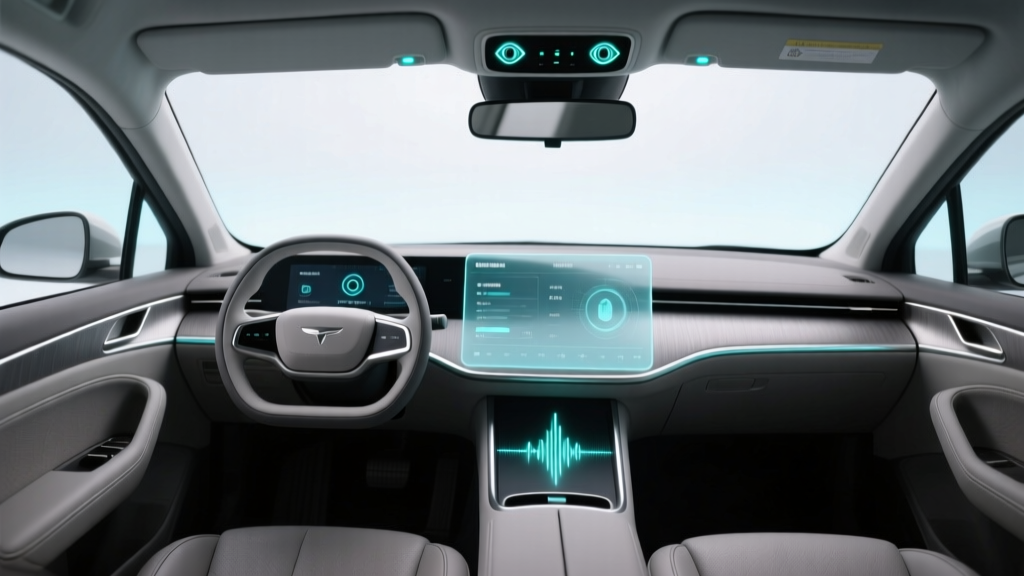
Vehicle interior monitoring refers to a suite of technologies — cameras, sensors, and AI algorithms — that continuously observe the cabin environment. Originally developed for commercial fleets, these systems are now becoming standard in consumer vehicles as safety regulations tighten worldwide.
Key Components of Interior Monitoring Systems
Driver Monitoring Cameras
Infrared cameras mounted on the steering column or dashboard track eye movement, head position, and blink rate. When the system detects signs of drowsiness or distraction — such as prolonged eye closure or head nodding — it alerts the driver with visual, audible, or haptic warnings.
Occupant Detection Sensors
Weight sensors in seats, ultrasonic motion detectors, and millimeter-wave radar can detect whether children or pets have been left in the vehicle. These systems trigger escalating alerts to the driver's phone and, in some cases, automatically lower windows or activate climate control to prevent heatstroke.
Cabin Air Quality Sensors
Modern interior monitoring includes sensors for CO2, volatile organic compounds (VOCs), and particulate matter. When air quality drops, the system automatically switches to recirculation mode and increases filtration.
Benefits of Interior Monitoring
Accident Prevention
Studies show that driver monitoring systems reduce fatigue-related accidents by up to 40%. By detecting microsleeps and distraction before they cause incidents, these systems save lives.
Child Safety
Over 50 children die in hot vehicles each year in the US alone. Interior monitoring systems that detect rear-seat occupants and alert parents can eliminate these tragic incidents.
Health and Comfort
Real-time air quality monitoring protects passengers from harmful pollutants, especially important for people with asthma or respiratory conditions.
Top Vehicle Interior Monitoring Systems in 2026
SmartEye Driver Monitoring
Used by several European manufacturers, SmartEye's infrared camera system tracks gaze direction and pupil dilation with 99.2% accuracy. It integrates with lane-keeping assist to provide graduated interventions.
Seeing Machines Guardian
A fleet-focused system that combines driver monitoring with incident recording. It provides fleet managers with real-time dashboards showing driver fatigue levels across their entire operation.
Aftermarket Solutions
For older vehicles, aftermarket interior monitoring devices plug into the OBD-II port or cigarette lighter. Options range from simple drowsiness alerts to full cabin monitoring with smartphone integration.
Privacy Considerations
Interior monitoring raises legitimate privacy concerns. Look for systems that process data locally (on-device) rather than sending video to the cloud. Many manufacturers now offer "privacy mode" that disables cameras while retaining basic sensor alerts.
Future Trends
By 2027, interior monitoring will likely integrate with biometric sensors to detect stress, heart rate irregularities, and even blood alcohol levels. The goal is a fully aware vehicle that adapts to the driver's physical and mental state in real time.