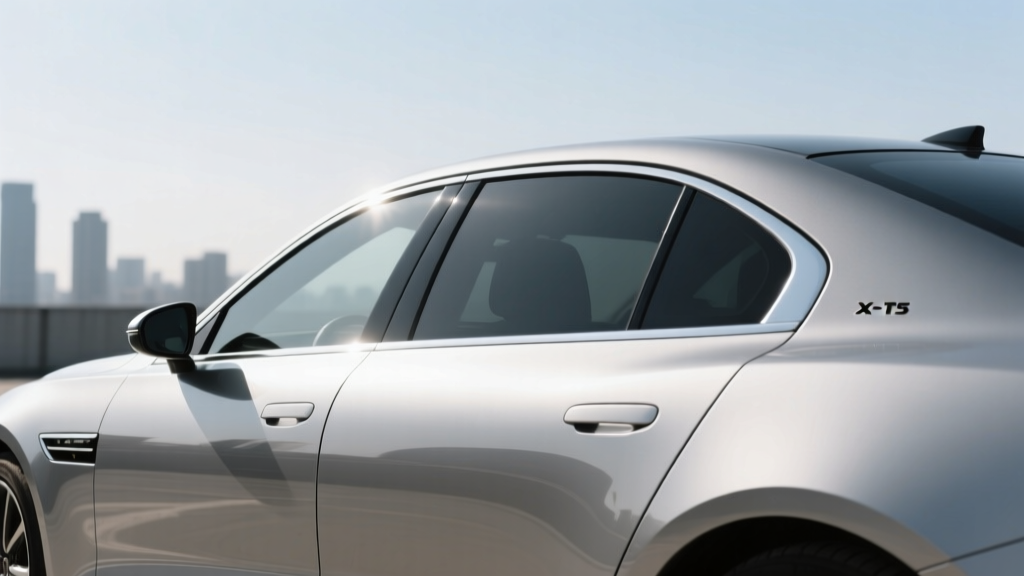
Best Car Window Tint Film 2026: Heat & UV Protection
Window tint is one of the most impactful upgrades you can make to your car's interior comfort. A quality tint film can block up to 99% of UV rays and reject over 60% of solar heat, keeping your cabin cooler and protecting your dashboard and seats from sun damage.
Types of Window Tint Film
Dyed film is the cheapest option but offers the least heat rejection and tends to fade purple over time. Metalized film is more durable and reflects heat effectively but can interfere with GPS and cell signals. Ceramic film is the premium choice — it blocks the most heat and UV without signal interference, but costs 2-3x more than dyed options. Carbon film sits in the middle with good heat rejection and a matte finish.
3M Crystalline Ceramic Series
3M's flagship ceramic film rejects up to 60% of total solar energy and 99.9% of UV rays. It is virtually clear, so it does not darken your windows dramatically while still delivering maximum heat rejection. The price is high — expect $400-800 for a full professional install — but the performance is unmatched.
Llumar CTX Carbon Film
Llumar's carbon film is the sweet spot for most buyers. It offers strong heat rejection, does not fade, and will not interfere with electronics. The dark charcoal appearance looks factory-installed. Professional installation runs $200-400 depending on your vehicle.
HP Plus Dyed Film (Budget Option)
If you are on a tight budget, HP Plus dyed film provides basic UV protection and privacy at a fraction of ceramic prices. Expect it to last 3-5 years before fading begins. DIY kits are available for under $50 but professional installation is recommended for bubble-free results.
Legal Limits by Region
Window tint laws vary significantly. Most US states allow 35-50% VLT (visible light transmission) on front side windows, with darker tints permitted on rear windows. Windshields are typically restricted to a non-reflective strip at the top only. Always check your local regulations — illegal tint can result in fines and failed vehicle inspections.
DIY vs Professional Installation
DIY tinting is possible but requires patience, a heat gun, and a dust-free environment. Bubbles, peeling edges, and dust contamination are common beginner mistakes. Professional installers guarantee their work and typically offer a lifetime warranty. For ceramic films especially, the installation quality directly impacts performance.
Final Verdict
3M Crystalline is the best overall if budget allows. Llumar CTX offers the best value for most drivers. Avoid the cheapest dyed films if you plan to keep your car for more than a few years — the fading and poor heat rejection will disappoint you.