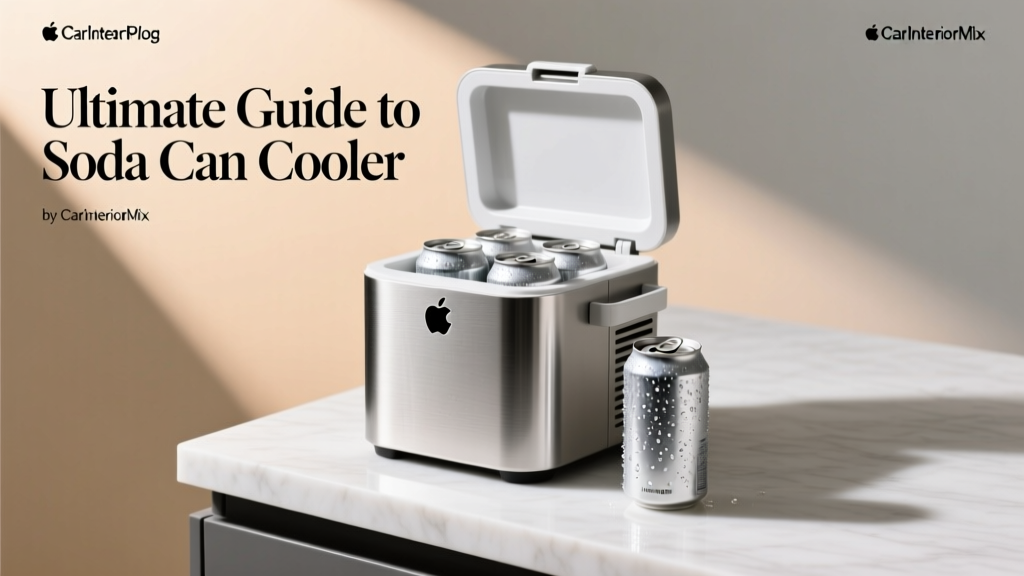
Ultimate Guide to Soda Can Cooler - CarInteriorMix
A cold drink on a hot drive feels like a small luxury?until you realize your soda has been sitting in a warm cup holder for 30 minutes, fizzing away and tasting flat. For commuters, road-trippers, rideshare drivers, and weekend adventurers, keeping a can cold inside the cabin isn?t just about comfort. It?s about making your car feel more organized, premium, and ready for the next mile.
Soda can coolers (and their close cousins: insulated can holders, 12V coolers, and cup-holder chillers) have evolved a lot. Some are simple insulated sleeves that keep a can cold for an hour. Others actively chill using your car?s power and can keep drinks cold all day. The right choice depends on your climate, driving habits, interior layout, and how ?hands-off? you want your drink setup to be.
This guide breaks down the main types of soda can coolers for cars, how they work, what to look for, how to use them correctly, and which options make sense for different drivers.
What Is a Soda Can Cooler (and Why Car Owners Use One)?
A soda can cooler is any product designed to keep a standard beverage can colder for longer inside your vehicle. In car terms, that usually means one of three categories:
- Passive insulation: Neoprene sleeves, vacuum-insulated stainless can coolers, foam wraps.
- Active cooling: 12V-powered mini fridges/coolers, thermoelectric coolers, or cup-holder chillers that actively pull heat from the can.
- Hybrid convenience: Small cooler bags that fit behind the seat or in the trunk and work with ice packs.
Why this matters in a car interior context:
- Cabin heat is brutal: Even with AC, drinks warm quickly in sunlit cup holders.
- Less mess: Cold cans sweat. That condensation drips into cup holders, shifter surrounds, and storage bins.
- Better organization: A dedicated cooler setup prevents rolling cans and clutter.
- Cleaner interior: Fewer sticky spills and less residue from warm, shaken soda.
Types of Soda Can Coolers for Cars
1) Vacuum-Insulated Can Coolers (Best Overall for Most Drivers)
These are stainless steel, double-wall vacuum-insulated holders designed to fit 12 oz cans (and sometimes slim cans). They don?t chill a warm can, but they keep a cold can cold for a long time and reduce condensation.
Pros:
- Excellent temperature retention (especially in summer)
- Minimal condensation = cleaner cup holders
- No power needed; easy to move between car, garage, and campsite
- Durable and easy to clean
Cons:
- Costs more than basic sleeves
- May not fit every cup holder if oversized
2) Neoprene or Foam Sleeves (Best Budget Option)
Classic ?koozies? are lightweight, cheap, and surprisingly useful for short drives. They slow warming and reduce condensation, but don?t perform like vacuum insulation.
Pros:
- Affordable and widely available
- Fits most cup holders easily
- Good for quick errands and daily commuting
Cons:
- Limited performance in extreme heat
- Fabric sleeves can absorb spills and odors
3) 12V Thermoelectric Coolers / Mini Car Fridges (Best for Road Trips)
If you want multiple cold drinks on demand, a 12V cooler is the move. Many plug into a car?s 12V socket and sit on the floor, behind the seat, or in the trunk. Some units cool to a specific temperature; others cool a set amount below ambient temp.
Pros:
- Chills and maintains multiple cans
- Perfect for long drives, families, and tailgates
- Keeps snacks cold too
Cons:
- Takes cabin space
- Draws power; needs smart use to avoid draining your battery
- Not as ?grab-and-go? as a can cooler
4) Cup-Holder Chillers / Heated & Cooled Cup Holders (Best for Premium Interiors)
Some aftermarket devices sit in a cup holder and claim to cool a can. Performance varies widely. Factory cooled cup holders (available on some luxury vehicles) tend to be better integrated but still aren?t the same as a true fridge.
Pros:
- Convenient; keeps the drink where you already store it
- Clean, integrated look in the cabin
Cons:
- Often slow or mild cooling
- Fitment issues with different cup holder sizes
How to Choose the Best Soda Can Cooler for Your Car
Use these criteria to pick a setup that actually works with your vehicle and driving style.
Fitment: Cup Holder Size and Stability
- Measure your cup holder diameter (many cars vary front vs. rear).
- Look for can coolers with a tapered base that seats securely.
- If you drive spirited roads, prioritize non-slip bases or a snug fit.
Can Type Compatibility
Not all cans are the same anymore. Consider what you drink most:
- Standard 12 oz cans: Most products fit these.
- Slim cans: Energy drinks and some seltzers need a slimmer insert or compatible design.
- 16 oz tallboys: Need a taller holder or a different size.
Insulation Performance vs. Convenience
- Short trips: Neoprene/foam is usually enough.
- Daily commuting in hot climates: Vacuum-insulated is worth it.
- All-day outings: Add a 12V cooler or insulated cooler bag with ice packs.
Condensation Control (A Big Deal for Interiors)
If you?ve ever seen sticky rings and grime inside cup holders, you already know why this matters. Vacuum-insulated can coolers typically reduce sweating the most. Some include a gasket or collar that also prevents rattles.
Materials and Cleanability
- Stainless steel: Rinse, wipe, and go; resists odors.
- Neoprene: Can absorb smell if soda spills?wash occasionally.
- Plastic inserts: Check for removable parts to clean around threads and seals.
Step-by-Step: Getting the Best Cooling Results in Real Driving
Method A: Using a Vacuum-Insulated Can Cooler
- Pre-chill the can. Start with a cold can from the fridge. (Insulated holders preserve temperature; they don?t create it.)
- Optional: pre-chill the cooler. If you keep it in the garage or a hot car, bring it inside overnight or rinse with cold water and dry it.
- Insert the can snugly. Make sure it seats fully so it doesn?t wobble in the cup holder.
- Keep it out of direct sunlight. If your cup holder is sun-exposed, shade it with the console lid when possible.
- Wipe the base weekly. Even reduced condensation can leave a film over time.
Real-world example: If you?re running errands for two hours in 90�F weather, a vacuum-insulated can cooler typically keeps your soda noticeably colder than a bare can, while keeping your cup holder dry and clean.
Method B: Using a 12V Car Cooler for Multiple Cans
- Pick a stable location. Behind the front passenger seat or on the trunk floor works well. Avoid blocking air vents or seat tracks.
- Secure it. Use a seatbelt, cargo strap, or anti-slip mat to prevent sliding during braking.
- Pre-cool when possible. Load cold cans and cold packs. A cooler works faster maintaining cold than pulling down warm drinks.
- Manage power smartly. If your 12V outlet is always-on, avoid running the cooler with the engine off unless you?re monitoring battery voltage.
- Organize inside. Separate cans to avoid constant rattling?some coolers allow dividers or you can add a thin towel.
Practical tip: For day trips, a soft insulated cooler bag plus ice packs often beats a cheap thermoelectric unit for pure cooling power?while costing less and using zero power.
Product Recommendations: What to Buy (and What to Skip)
Rather than pushing one ?best? option for everyone, here are the categories that consistently satisfy car owners.
Best for Most Cars: Vacuum-Insulated Stainless Can Cooler
- Who it?s for: Daily drivers, commuters, and anyone who wants cold drinks without cabin mess.
- What to look for: Double-wall vacuum insulation, textured grip, tapered base, and compatibility with 12 oz cans (plus slim can adapter if needed).
- Expected price: Mid-range to premium.
Best Budget: Neoprene Sleeve (Buy Two, Keep One Clean)
- Who it?s for: Short trips, spare cars, or glovebox backups.
- What to look for: Thick neoprene, stitched seams, and a snug fit.
- Expected price: Low.
Best for Road Trips: 12V Cooler or Portable Car Fridge
- Who it?s for: Families, overlanders, frequent road-trippers, rideshare drivers offering cold drinks.
- What to look for: Real temperature control, adequate capacity (at least 15?20 cans), quiet operation, low-voltage cutoff, and a reputable warranty.
- Expected price: Higher, but it replaces constant gas station drink stops.
What to Skip (Most of the Time)
- Ultra-cheap ?cup holder chillers? with big cooling promises and no clear specs. Many struggle to meaningfully cool a warm can in a hot cabin.
- Oversized can coolers that don?t fit your cup holder securely?spills and rattles aren?t worth it.
Common Mistakes to Avoid
- Expecting insulation to chill a warm soda. Start cold, or use ice packs/12V cooling for true chilling.
- Ignoring cup holder fitment. A can cooler that?s too wide can tip during turns and braking.
- Letting spills sit. Soda residue turns into sticky grime fast and attracts dust. Wipe cup holders the same day.
- Running a 12V cooler on an always-on outlet overnight. This can drain your battery, especially in older vehicles.
- Leaving the can cooler in a scorching car. A 140�F interior heat-soaks the cooler, reducing performance at the start of your drive.
- Not accounting for slim cans or tallboys. ?Universal fit? often isn?t universal.
Extra Practical Tips for a Cleaner, Cooler Cabin
- Add a cup holder liner. Rubber or silicone liners catch drips and are easy to rinse.
- Keep a microfiber cloth in the console. One quick wipe prevents sticky buildup.
- Use a small cooler bag for backups. Keep extra cold cans behind the seat, and rotate one into your can cooler as needed.
- Choose darker interiors wisely. Black consoles show dried sugar residue; wiping weekly keeps things looking new.
- For long summer parking: Use a sunshade. Lower cabin temps help everything?drinks, electronics, and interior materials.
FAQ: Soda Can Coolers for Cars
Do soda can coolers actually keep drinks cold in a hot car?
Yes?especially vacuum-insulated stainless can coolers. They won?t perform miracles if the can starts warm, but they significantly slow warming and reduce condensation, which is huge for keeping your cup holders clean.
Will a stainless can cooler fit in my car?s cup holder?
Most do, but not all. Cars vary a lot. Look for a tapered base and check the product?s base diameter. If your cup holders are shallow or narrow, prioritize a slimmer design.
What?s better for road trips: an insulated can cooler or a 12V cooler?
They solve different problems. A can cooler is best for the drink you?re actively sipping. A 12V cooler is best for keeping a supply of drinks cold for hours. Many drivers use both: a 12V cooler for storage and an insulated can cooler up front.
How do I stop condensation rings in the cup holder?
Use a vacuum-insulated can cooler and/or a cup holder liner. Also wipe the area occasionally?condensation mixed with dust creates grime that can stain textured plastics.
Are cup-holder chillers worth it?
Some are, many aren?t. Factory cooled cup holders can help maintain temperature, but most aftermarket units provide mild cooling at best. If you want true cooling performance, a quality 12V cooler or portable fridge is a safer bet.
How do I clean a soda can cooler after a spill?
Rinse immediately with warm water. For sticky soda residue, use a drop of dish soap and a soft bottle brush or sponge. Dry fully before storing to prevent odors?especially with neoprene sleeves.
Wrap-Up: Build a Simple ?Cold Drink? System That Fits Your Driving
If you want the most noticeable upgrade with the least hassle, start with a vacuum-insulated soda can cooler that fits your cup holder and the cans you actually buy. Add a rubber cup holder liner to protect your console, and keep a microfiber cloth in the car for quick cleanups. For long trips, pair your front-seat can cooler with a small 12V cooler or insulated cooler bag in the back so you always have a cold replacement ready.
Want more practical interior upgrades?cup holder organization, cleaning routines, and road trip comfort tips? Explore more guides on carinteriormix.com and dial in a cabin that feels cleaner, cooler, and more enjoyable every day.