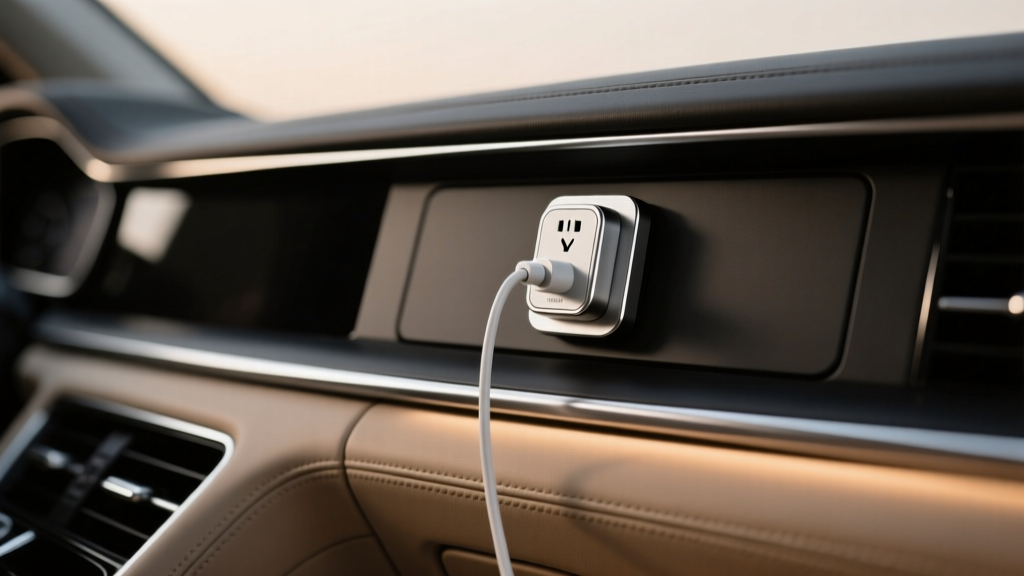
Ultimate Guide to Power Strip Mount - CarInteriorMix
Power strips are one of those ?small? upgrades that can make a big difference in how your car feels day to day?especially if you run a dash cam, portable vacuum, phone charger, tablet, radar detector, rear-seat entertainment, or even a laptop inverter for road trips. The catch? A loose power strip sliding around the cabin is a fast track to rattles, scuffed trim, tangled cables, and, in the worst cases, a safety hazard during hard braking.
A proper power strip mount solves all of that. When the strip is securely mounted, your charging setup becomes cleaner, safer, and easier to use. You?ll know exactly where to plug in, cords won?t snag feet or seat rails, and you won?t be fishing around under seats while driving. This guide breaks down the best mounting locations, mounting methods, step-by-step installation, product types worth considering, and the mistakes that trip up most DIY installs.
What ?Power Strip Mount? Means in a Car Context
At home, a power strip typically lives behind a desk. In a vehicle, ?power strip mount? usually means mounting one of these:
- 12V accessory (cigarette-lighter) power strip with multiple 12V sockets and/or USB ports
- USB power hub (USB-A/USB-C) designed for high-current charging
- AC power strip powered by a car inverter (typically 150W?1000W depending on needs)
The mount itself can be as simple as industrial hook-and-loop tape or as robust as a screw-mounted bracket. The right choice depends on vehicle type, climate, how permanent you want the install to be, and how much load (and vibration) your setup will see.
Why Mounting a Power Strip Matters (Beyond ?Looks Cleaner?)
1) Safety and crash protection
- A loose strip can become a projectile under sudden stops.
- Cables across footwells can snag pedals or interfere with seat movement.
- Overheating risk increases when strips are stuffed under floor mats or buried in clutter.
2) Reduced wear on ports and plugs
When a strip slides around, the repeated tugging and vibration stress plugs and sockets. A stable mount reduces intermittent charging and extends the life of your accessories.
3) Easier daily use
Mounted strips create a ?charging station? you can reach quickly?especially helpful for families, rideshare drivers, commuters, and anyone running multiple devices.
Pick the Right Power Source Before You Mount Anything
Mounting is only half the equation. Make sure the power source matches the equipment you?re planning to run.
Option A: 12V multi-socket/USB power strip
- Best for: Phones, tablets, dash cams, small accessories
- Pros: Simple, efficient, minimal heat, usually inexpensive
- Watch out for: Total current limits (common 10A fused plugs) and low-quality USB ports that don?t deliver real fast charging
Option B: USB-C PD charger/hub (recommended for modern devices)
- Best for: Fast-charging phones, iPads, some laptops (depending on wattage)
- Pros: Clean setup, high efficiency, less bulky than an inverter + AC strip
- Watch out for: Shared wattage across ports (e.g., ?100W total? split between devices)
Option C: Inverter + AC power strip
- Best for: Laptop chargers, camera battery chargers, small AC devices
- Pros: Most versatile (standard wall plug)
- Watch out for: Heat management, noise, and proper wiring. Many inverters should not be run from a weak 12V socket if you?re pushing high wattage.
Real-world example: If you?re a weekend detailer who uses a compact vacuum, a small inverter might work?but a better long-term solution could be a dedicated 12V vacuum or a higher-capacity inverter wired to the battery with an inline fuse. Mounting won?t fix an underpowered setup.
Best Places to Mount a Power Strip in a Vehicle
The ?best? location balances access, ventilation, safety, and cable routing. Here are proven mounting spots.
1) Back of the center console (rear passenger charging station)
- Great for: Families, rear-seat passengers, rideshare
- Why it works: Easy access, short cable runs, keeps cords off the floor
- Tip: Aim for a spot above foot level to avoid kicks
2) Inside the center console storage bin
- Great for: A ?hidden? setup with phones stored inside
- Why it works: Clean look, reduced theft attention
- Tip: Leave airflow space?don?t pack it tight with tissues and receipts
3) Under the passenger seat (with caution)
- Great for: Discreet installs
- Risks: Seat track movement can crush cables; water from wet shoes can drip; reduced ventilation
- Tip: Only mount to a fixed surface, never to moving seat components
4) Cargo area side panel (SUVs, hatchbacks, overlanding builds)
- Great for: Coolers, air pumps, camping accessories
- Why it works: Plenty of space, easy to manage thicker cables
- Tip: Consider a fused distribution block if running multiple accessories
5) Seatback or behind a front seat organizer
- Great for: Road trips with tablets and gaming devices
- Tip: Use short cables and add a cable clip to prevent dangling cords
Mounting Methods Compared (Choose Your ?Permanent Level?)
Hook-and-loop (industrial Velcro)
- Best for: Light to medium strips, easy removal
- Pros: Repositionable, no drilling
- Cons: Adhesive can fail in extreme heat if surfaces aren?t prepped
High-bond double-sided tape (automotive-grade)
- Best for: Clean, low-profile mounting on hard plastics
- Pros: Strong, invisible
- Cons: Harder to remove; can damage soft-touch coatings if ripped off
Screws with brackets (most secure)
- Best for: Cargo builds, off-road rigs, high-vibration environments
- Pros: Rock solid
- Cons: Drilling risk (wiring/airbags), permanent holes
Zip ties and mounting bases
- Best for: Mounting to seat frames or cargo tie-down structures (only fixed parts)
- Pros: Cheap, flexible
- Cons: Can look messy; can loosen over time
Magnetic mounts (limited use)
- Best for: Steel cargo barriers or metal brackets
- Cons: Most interiors are plastic; magnets can slip under vibration if not designed for load
Step-by-Step: How to Mount a Power Strip in Your Car (Clean, Safe, Reliable)
Step 1: Confirm your power plan
- Decide whether you?re using 12V, USB, or an inverter + AC strip.
- Check the strip?s max current/wattage and compare it to your outlet?s limits.
- If using an inverter, make sure it has adequate ventilation and the right type (pure sine wave is preferred for sensitive electronics).
Step 2: Choose the mounting location and do a ?reach test?
- Sit in the driver seat and ensure nothing interferes with pedals, steering, shifter, or parking brake.
- Move the passenger seat through its full range if mounting near seat rails.
- For rear access, make sure kids can?t easily kick it or yank cords.
Step 3: Plan cable routing before sticking anything down
- Route cables along edges and seams, not across open floor areas.
- Use cable clips or adhesive tie-down bases every 6?12 inches to prevent sagging.
- Avoid routing near sharp metal edges or moving parts (seat tracks, hinges).
Step 4: Prep the surface like a pro
- Clean the mounting surface with a lint-free cloth.
- Wipe with isopropyl alcohol (70% or higher) and let it fully dry.
- If the surface is textured, consider a mechanical mount (bracket/screws) or industrial Velcro for better grip.
Step 5: Mount the strip using your chosen method
- For tape: Apply tape to the strip, press firmly, then press the strip onto the panel for 30?60 seconds.
- For Velcro: Press both sides firmly; let adhesive cure per instructions before loading it up.
- For screws: Verify what?s behind the panel before drilling (wiring harnesses, airbags, fuel lines). Pre-drill a pilot hole and use short screws.
Step 6: Add strain relief and airflow clearance
- Create a small ?service loop? so plugs aren?t under tension.
- Keep vents and cooling slots unobstructed?especially for inverters and high-watt USB chargers.
- Use a right-angle plug if space is tight to reduce leverage on the outlet.
Step 7: Test under real conditions
- Start the car and confirm charging stays steady at idle and while revving slightly.
- Drive over a rough road and listen for rattles.
- After 15?20 minutes of use, touch the strip and plugs (carefully). Warm is normal; hot suggests overload, poor connection, or cheap hardware.
What to Look for When Buying a Power Strip for Your Car
You don?t need the most expensive unit, but you do want one that matches your use case and holds up to heat and vibration.
Key features worth paying for
- Replaceable fuse in the 12V plug (common 10A/15A)
- Over-current/over-voltage protection and short-circuit protection
- USB-C Power Delivery (PD) if you have modern phones/tablets/laptops
- Sturdy housing that doesn?t creak or flex when plugging in
- Mounting-friendly shape (flat back, screw slots, or included bracket)
- LED indicators that aren?t obnoxiously bright at night
Product Recommendations (By Type and Use Case)
Rather than pushing a single ?best,? here are reliable categories and what tends to work well in real cars.
Best for most drivers: 12V + USB combo splitter
- Ideal setup: 2?3 USB ports (including USB-C PD) + 1?2 12V sockets
- Why: Covers phones, dash cams, and small accessories without inverter complexity
- Buying tip: Look for units that specify per-port output (e.g., ?USB-C PD 30W? rather than vague ?fast charge?).
Best for families/road trips: Rear-seat USB-C charging hub
- Ideal setup: 60W?100W total output with 2?4 ports
- Why: Keeps tablets and phones topped up without cords everywhere
- Mounting tip: Back of center console with adhesive + a small cable raceway for a factory-ish look
Best for work vehicles: Inverter + compact AC strip (light loads)
- Ideal setup: 150W?300W inverter for laptop chargers, camera chargers
- Why: More universal than USB for some jobsite gear
- Mounting tip: Mount inverter where it can breathe (cargo side panel), and keep the AC strip accessible but protected from cargo impact
Common Mistakes to Avoid
- Mounting in the driver footwell where cords can interfere with pedals.
- Ignoring seat movement and crushing wires under rails.
- Using cheap adhesive on dirty plastic (it will fall off the first hot day).
- Overloading a 12V socket with an inverter and multiple devices?blown fuses are the best-case scenario.
- Hiding the strip under carpets or mats where heat builds up.
- No strain relief causing plugs to loosen and arc under vibration.
- Drilling without checking behind panels (wiring harness damage is a nightmare).
Practical Tips for a Factory-Clean Install
- Match cable lengths to your layout. Too-long cords create clutter; too-short cords pull on ports.
- Use split loom or fabric wire wrap for bundles?quieter, cleaner, more OEM-looking.
- Label ports if you run dedicated devices (e.g., ?Dash Cam,? ?Tablet,? ?Hotspot?).
- Choose a low-profile plug for the 12V outlet to reduce accidental bumps.
- Keep a spare fuse in the glovebox if your 12V splitter uses a common fuse type.
FAQ: Power Strip Mounts in Cars
Can I use a regular household power strip in my car?
Not directly. A household strip needs AC power, so you?d have to run it from an inverter. For most charging needs, a 12V/USB automotive power strip is more efficient and runs cooler.
Is it safe to mount a power strip with double-sided tape?
Yes?if you use automotive-grade high-bond tape and prep the surface with alcohol. For heavy strips, high heat climates, or off-road vibration, Velcro plus a secondary restraint (zip tie) or a screw-mounted bracket is more dependable.
Where should I avoid mounting a power strip?
Avoid the driver footwell, near pedal assemblies, on moving seat parts, and anywhere that blocks airbags or could be impacted by knees. Also avoid enclosed spaces where heat can?t escape, especially with inverters.
Why does my power strip or splitter get hot?
Heat usually comes from high load (too many devices), poor-quality internal components, or a loose plug connection. Reduce the load, confirm the device?s current rating, and replace low-quality splitters?especially if plugs feel loose or the plastic smells warm.
Do I need a fuse for a mounted power strip setup?
Most quality 12V splitters include a fused plug. If you?re wiring an inverter or a dedicated 12V distribution point, you should use an inline fuse sized appropriately for the wire gauge and expected load.
Will a mounted power strip drain my battery?
It can. Some 12V outlets stay live when the car is off. If your strip has LEDs or devices remain plugged in, you could see battery drain over time. Use an outlet that switches with ignition, unplug when parked for long periods, or consider a hardwired solution with a relay.
Conclusion: Your Next Steps for a Clean, Safe Charging Setup
Start by deciding what you really need?USB fast charging for daily devices, 12V expansion for accessories, or an inverter for AC gear. Then pick a mounting location that keeps plugs accessible and cords out of the way. Prep the surface properly, mount with a method that matches your climate and vibration level, and finish with good cable management and strain relief. The result is a quieter cabin, less clutter, and a setup you can trust on long drives.
If you want to keep upgrading your interior the smart way, explore more practical guides and install tips on carinteriormix.com.