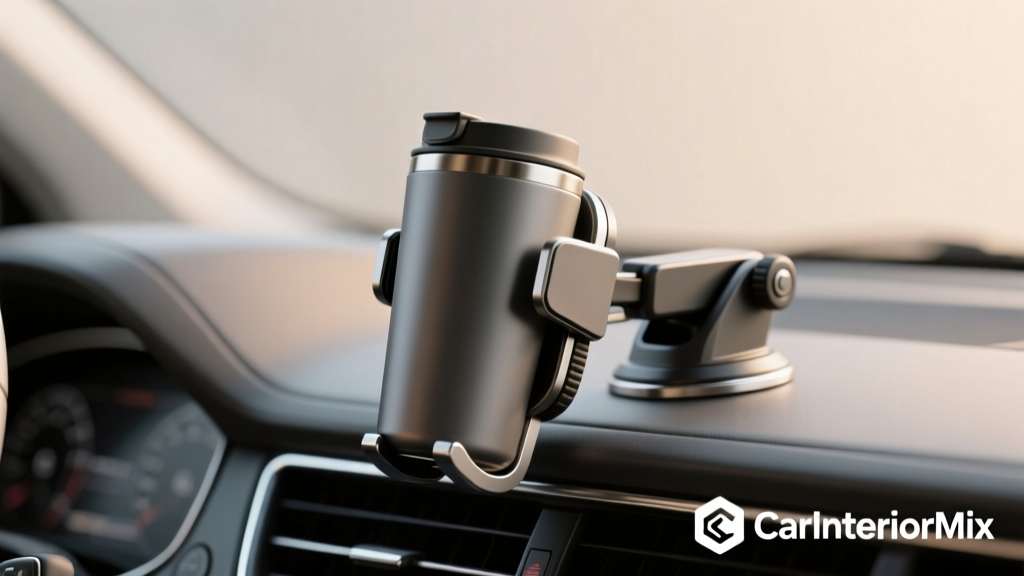
Travel Mug Mount Warranty Coverage (2026)
A travel mug mount (or cup holder expander, mug cradle, or mounted drink holder) can feel like a small upgrade?until it rattles, cracks, or suddenly refuses to hold your favorite insulated tumbler on a pothole-filled commute. When that happens, the difference between ?annoying but fixable? and ?money wasted? usually comes down to warranty coverage and how well you understand it.
Car interiors are tough environments for accessories. Heat cycles from summer sun to winter mornings, vibration from the road, spilled coffee, cleaning chemicals, and the sheer torque of a heavy stainless tumbler all test plastic clips and locking rings. Manufacturers know this, which is why many offer warranties?but the details vary widely, and the fine print can surprise you.
This guide breaks down how travel mug mount warranties typically work, what?s covered (and what isn?t), how to file a claim step-by-step, and how to choose a mount with coverage that matches your driving habits. You?ll also find practical tips, real-world scenarios, and a short FAQ so you can buy with confidence and avoid common warranty traps.
What Counts as a ?Travel Mug Mount? (and Why Warranty Terms Differ)
Warranty coverage often depends on the product category and how it?s installed. ?Travel mug mount? is a broad term, and companies may classify the same accessory differently for warranty purposes.
Common types you?ll see in the car interior accessory market
- Cup holder expander: Drops into your factory cup holder and expands to fit larger tumblers (often with adjustable fins).
- Seat rail or seat bolt mount: Anchors to an existing seat bolt for a more rigid cup holder (often used for off-road vehicles).
- Vent-mounted drink holders: Less common for heavy mugs; may be marketed for smaller bottles.
- Console side mounts: Adhesive-backed or bracket-mounted holders designed to sit beside the center console.
- Magnetic or modular mounts: Multi-piece systems that accept different attachments (phone + drink + storage modules).
Why it matters: a seat-bolt mount may have separate coverage for the bracket, hardware, and cup cradle. A modular system may require registering the ?base? and ?attachment? as separate items. Adhesive mounts usually have the strictest exclusions because surface prep and interior materials vary.
Warranty Basics: The Coverage Language You?ll Actually See
Most warranties for car interior accessories fall into a few predictable buckets. Understanding the terms helps you quickly judge whether a claim is likely to succeed.
1) Limited warranty
This is the most common. ?Limited? usually means the manufacturer covers defects in materials or workmanship, under normal use, for a set time period (often 6?24 months).
2) Lifetime warranty (read the definition)
?Lifetime? may mean the lifetime of the product line, the lifetime of the original purchaser, or simply ?as long as we sell it.? Coverage can still be limited to manufacturing defects, not wear or misuse.
3) Satisfaction guarantee / return window
This isn?t a warranty, but it?s a major part of ?coverage.? Many brands offer 30?60 days to return if it doesn?t fit or you don?t like it?sometimes only if it?s unused, sometimes even if it?s installed.
4) Extended coverage via retailer or credit card
- Retailer protection plans: Often cover accidental damage but may cost extra.
- Credit card purchase protection: Some cards add coverage for theft/damage within 60?120 days or extend manufacturer warranties by a year.
What?s Typically Covered (and What?s Usually Excluded)
Most warranty outcomes depend on whether the problem looks like a defect or like normal wear/installation damage. Here?s how brands commonly draw the line.
Covered: defects in materials and workmanship
- Cracks forming in a structural piece under normal load (no impact or overtightening)
- Threads stripping when used as instructed
- Locking mechanism failing early (spring breaks, latch doesn?t engage)
- Hardware missing from the box or wrong parts included
- Manufacturing flaws (warped base, misaligned holes, defective injection molding)
Often excluded: ?wear items,? cosmetic issues, and misuse
- Normal wear: Scuffs, fading, minor loosening over time
- Cosmetic damage: Scratches from rings, keys, or abrasive cleaning tools
- Heat and sun damage: Warping from being parked in direct sun may be excluded unless the product is marketed as heat-resistant
- Chemical damage: Alcohol, ammonia, or harsh degreasers degrading plastic/rubber
- Overloading: Mount rated for bottles used with an oversized, heavy tumbler
- Improper installation: Overtightened clamps, misaligned seat-bolt bracket, adhesive applied to dirty/conditioned surfaces
- Modifications: Drilling holes, sanding, cutting, or using non-approved hardware
Grey area: fitment-related issues
Fitment disputes are common. Example: a cup holder expander ?fits most vehicles,? but your factory cup holder has an odd shape or shallow depth, and the expander wobbles. Many brands treat this as a return-window issue, not a warranty defect?especially if the product itself isn?t broken.
Real-World Warranty Scenarios (What Usually Happens)
Scenario A: The mount cracks at the hinge after two weeks
Likely outcome: Approved warranty replacement if you can show it was used normally and you didn?t drop it. Photos help a lot.
Scenario B: The mount melts/warps after a summer heatwave
Likely outcome: Mixed. If the product is marketed for ?high-temp interiors? and fails, you may win the claim. If not, brands may call it environmental exposure and deny it.
Scenario C: Your adhesive console-side mount falls off
Likely outcome: Often denied if surface prep wasn?t followed (cleaning, temperature range, cure time). Some brands will offer replacement adhesive pads as goodwill.
Scenario D: Rattling develops after months of use
Likely outcome: Usually considered normal wear. However, if a bushing or internal clip is clearly defective, you might get parts replaced. Ask for spare inserts or tension rings.
How to File a Travel Mug Mount Warranty Claim (Step-by-Step)
Most claims fail because owners can?t prove purchase, can?t show the defect clearly, or accidentally describe the issue in a way that sounds like misuse. Here?s a clean process you can follow.
Step 1: Find your warranty terms and timeline
- Locate the warranty card, product listing, or manufacturer website page.
- Confirm the claim window (e.g., ?1 year from purchase date?).
- Check whether you must be the original purchaser and whether registration is required.
Step 2: Gather proof and document the issue
- Order number or receipt (PDF screenshot is fine)
- Photos in good light:
- Full product view
- Close-up of the defect (crack, stripped thread, broken latch)
- How it?s installed in the vehicle (helps prove normal use)
- Short video for moving issues (rattle, latch not engaging)
Step 3: Write a clear description (keep it factual)
Use a simple structure:
- Vehicle + setup: ?Installed in factory center console cup holder of a 2020 Honda CR-V.?
- Use case: ?Holding a 30 oz insulated tumbler, within the published diameter range.?
- Problem: ?Hinge cracked on the right side while tightening by hand.?
- Result: ?Cup no longer locks and tips during turns.?
Step 4: Contact the right party
- Manufacturer support: Best for warranty replacements and parts.
- Retailer support: Best for return-window issues or shipping damage.
- Marketplace (Amazon/eBay): Use the official process so there?s a record.
Step 5: Ask specifically for the resolution you want
- Replacement part (cradle only, hardware only)
- Full replacement unit
- Refund (usually only within return window)
Step 6: Follow shipping and return instructions carefully
If they want the defective unit back, don?t toss it. Keep all parts together. If you ship it, pack it to prevent further damage?some brands deny claims if the returned item is shattered from shipping.
Warranty Coverage Checklist: What to Look for Before You Buy
If you?re shopping for a travel mug mount, use this checklist to quickly compare warranty strength (and avoid disappointment later).
- Coverage length: 12 months is common; longer is a plus if you drive daily.
- What?s covered: ?Materials and workmanship? is standard; look for language that includes moving parts or locking mechanisms.
- Replacement parts availability: The best brands sell spare inserts, rubber sleeves, tightening rings, and hardware.
- Fitment support: Clear vehicle fit guides, cup holder diameter specs, and customer service that helps.
- Heat resistance claims: If you live in a hot climate, look for higher-temp plastics or metal components.
- Claim process clarity: A simple form and responsive support often matters more than fancy warranty language.
Product Recommendations and Comparisons (Warranty-Focused)
Rather than listing brand names that change frequently, here are three practical ?buying profiles? that match how most owners use travel mug mounts. Use these as a roadmap when comparing products and warranties.
Option 1: Daily commuter cup holder expander (best all-around)
Who it?s for: Drivers who carry a 20?40 oz tumbler and want stable support without permanent installation.
- What to look for: Adjustable fins, rubberized contact points, and a stated weight/diameter range.
- Warranty sweet spot: 12?24 months, easy part replacement, and clear ?normal use? definition.
- Why warranty matters: Expanders have moving parts that can loosen; spare parts can extend life.
Option 2: Seat bolt/rail-mounted holder (best for heavy mugs and rough roads)
Who it?s for: Off-roaders, work trucks, and drivers on uneven roads who want maximum rigidity.
- What to look for: Metal bracket, quality hardware, corrosion-resistant finish, and a secure cradle.
- Warranty sweet spot: Clear coverage for bracket welds/metal integrity and included hardware.
- Real-world tip: If the design uses your factory seat bolt, confirm torque guidance?over-torquing can create headaches that a warranty won?t cover.
Option 3: Adhesive console-side mount (best when cup holders are useless)
Who it?s for: Cars with shallow cup holders or awkward console layouts.
- What to look for: High-quality automotive-grade adhesive, replaceable pads, and a surface-prep kit.
- Warranty sweet spot: At least a satisfaction guarantee plus replacement pads available for purchase.
- Reality check: Adhesive failures are often blamed on prep. A generous return policy matters more than ?lifetime warranty? language here.
Common Mistakes That Void Coverage (or Make Claims Harder)
- Skipping installation instructions: Especially torque limits, clamp positions, or cure times for adhesive mounts.
- Using harsh cleaners: Interior degreasers and alcohol-heavy cleaners can dry out rubber sleeves and weaken certain plastics.
- Over-tightening ?just to be safe?: Stripped threads and cracked collars are frequently classified as misuse.
- Ignoring size/weight guidance: A 40 oz tumbler filled with ice can be heavier than you think?pair that with leverage in a tall mount and parts can fail.
- Throwing away the receipt/box too early: Keep purchase proof until at least the warranty period ends.
- Modifying the mount: Drilling or swapping hardware may solve a fitment issue but can eliminate warranty support.
Practical Tips to Extend the Life of Your Travel Mug Mount
- Match the mount to your mug: Measure your tumbler?s base diameter and height. Taller mugs create more leverage in corners.
- Use rubber sleeves or shims: If the mount includes inserts, use them. If it doesn?t, choose a different model rather than ?making it work? with tape.
- Do a monthly quick check: Tighten by hand where appropriate, inspect for hairline cracks, and confirm the locking mechanism clicks cleanly.
- Keep it out of direct sun when possible: A windshield shade helps your entire interior, including accessories.
- Clean gently: Mild soap and water on a microfiber towel is usually enough for plastic and rubber components.
FAQ: Travel Mug Mount Warranty and Coverage
Does my car?s factory warranty cover a travel mug mount?
Usually no. Vehicle warranties cover factory components, not aftermarket accessories. If an accessory damages your interior (scratches, broken trim), that damage typically isn?t covered by the vehicle manufacturer.
What if the mount damages my cup holder or console?can the mount maker cover that?
Some brands may offer limited liability language, but most warranties focus on the accessory itself, not collateral damage. If you?re concerned, choose a mount with rubberized contact surfaces and avoid hard plastic ?teeth? that bite into trim.
Do I need to register my travel mug mount for warranty coverage?
Depends on the brand. Some require registration within a certain window; others only need proof of purchase. If registration is offered, it?s worth doing?especially for lifetime warranties that apply to the original owner.
How long do I have to file a claim?
Most claims must be filed within the stated warranty period (commonly 6?24 months) and sometimes within a set number of days after discovering the defect. Check the warranty page and don?t wait if you spot cracking or a failing latch.
Will a warranty cover rattles and squeaks?
Sometimes, but often not. Rattles can be considered normal wear, fitment variance, or a sign the mount isn?t a good match for your cup holder. Your best bet is to ask for replacement inserts, tension rings, or anti-rattle pads if the brand offers them.
What?s the difference between a return and a warranty claim?
A return is typically for ?I don?t want it? or ?it doesn?t fit? within a store?s return window. A warranty claim is for a defect or failure under normal use, usually after the return period ends. Start with the retailer if you?re still within the return window?it?s often faster.
Conclusion: Next Steps to Protect Your Purchase
If your travel mug mount is already installed, take five minutes today to locate your receipt, save a screenshot of the warranty terms, and snap a quick photo of your setup. If it ever fails, you?ll be ready to file a clean claim without scrambling for details.
If you?re shopping for a new mount, prioritize three things: clear size/weight specs, available replacement parts, and a warranty process that?s easy to use. A slightly better-designed mount with better coverage is usually cheaper than replacing a bargain accessory every few months?especially if you drive daily or carry a large insulated tumbler.
Want more practical, driver-focused interior advice? Explore more guides and accessory deep-dives on carinteriormix.com.