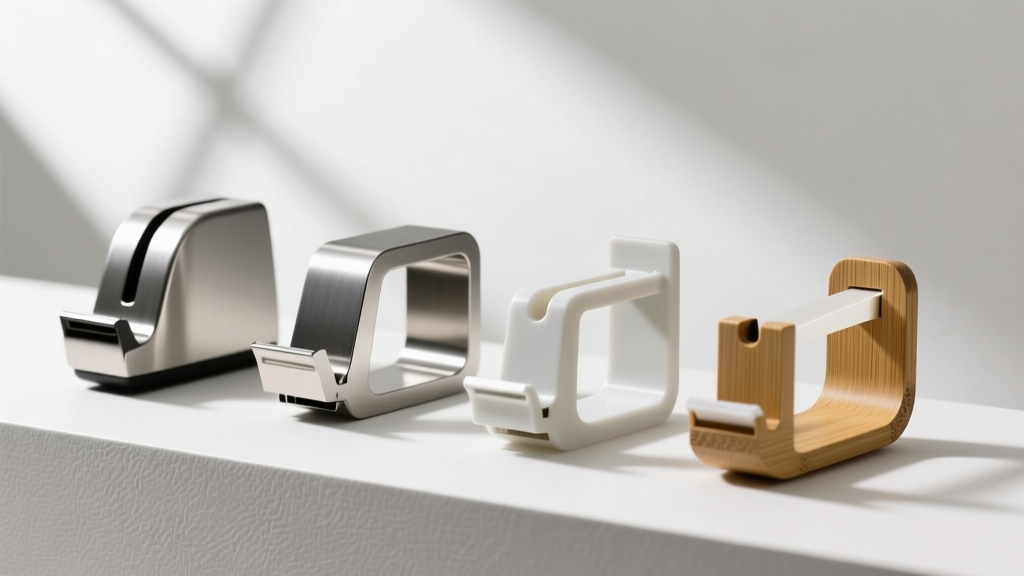
Tape Dispenser Mount Materials: Best Choices (2026)
Keeping a roll of tape within arm?s reach sounds like a shop problem?until you?re dealing with real-life car ownership. Whether you?re organizing a trunk toolkit, setting up an emergency kit, wrapping a wiring repair, labeling parts during an interior swap, or simply keeping a small roll of painter?s tape for quick trim protection, a tape dispenser mount can make your setup cleaner, faster, and safer.
The mount is the unsung hero here. A tape dispenser is only as useful as the way it?s attached: to a garage wall, a workbench, the inside of a cabinet, or even a dedicated area in your trailer or mobile detailing rig. Choose the wrong mount material and you?ll deal with sagging brackets, cracked plastics, rust stains on your garage paneling, or adhesive mounts that fail when the temperature swings.
This guide breaks down the most common tape dispenser mount materials, how each performs in automotive environments, and how to choose the right one for your workflow?whether you?re a weekend DIY interior cleaner or an enthusiast doing door-panel reupholstery and audio installs.
What Is a Tape Dispenser Mount (and Why Material Matters)?
A tape dispenser mount is the component that secures a tape dispenser (or tape roll holder) to a surface. That surface might be:
- A garage wall (drywall, concrete, pegboard, slatwall)
- A workbench edge or tool chest side panel
- A detailing cart
- A trailer or van used for track days or mobile detailing
- A storage cabinet or shelf system
Mount material affects four big things that matter to car owners:
- Durability: Resists cracking, bending, and fatigue when you yank tape repeatedly.
- Corrosion resistance: Holds up in humid garages, wet climates, and chemical exposure (degreasers, APC, solvents).
- Temperature stability: Doesn?t soften in summer heat or become brittle in winter cold.
- Mounting method compatibility: Works with screws, magnets, adhesive pads, or modular shop systems.
Quick Comparison: Common Tape Dispenser Mount Materials
| Material | Strength | Corrosion Resistance | Temp Stability | Best For | Watch Outs |
|---|---|---|---|---|---|
| Powder-coated steel | High | Good | Excellent | Garages, benches, high-use setups | Coating chips can expose steel to rust |
| Stainless steel | High | Excellent | Excellent | Humid garages, coastal areas, pro shops | Higher cost; can scratch softer surfaces |
| Aluminum (anodized/bare) | Medium-High | Very good | Excellent | Lightweight rigs, trailers, detailing carts | Threads can strip if overtightened |
| ABS plastic | Medium | Excellent | Fair-Good | Light duty, indoor cabinets, low yank-force | Can crack in cold or under repeated stress |
| Nylon / glass-filled plastic | Medium-High | Excellent | Good | Better plastic option for daily use | Still not ?metal tough? for heavy pulls |
| 3D-printed (PLA/PETG/ABS/nylon) | Varies | Good-Excellent | Varies | Custom mounts for odd spaces | Layer lines can fail; PLA hates heat |
| Acrylic | Low-Medium | Excellent | Fair | Light duty, clean ?display? storage | Can crack if bumped or overtightened |
Material Deep Dive: What to Choose for Your Garage or Vehicle Setup
Powder-Coated Steel Mounts
Powder-coated steel is the workhorse choice. It?s stiff, affordable, and handles the repeated jerking motion of dispensing tape without flexing. For most car owners building out a home garage wall, this is the default pick.
Where it shines:
- Pegboard or wall studs near your detailing shelf
- Workbench-side mounting for quick masking during trim work
- Tool-room setups where multiple tape widths live together
Real-world example: If you regularly use painter?s tape to protect door sills while installing speakers or running wiring, a rigid steel mount keeps the dispenser steady so you can tear tape one-handed.
Tip: Look for a mount with rolled edges or a formed bracket?thin stamped steel can ?ring? or flex over time.
Stainless Steel Mounts
Stainless steel is the premium, set-it-and-forget-it option, especially if your garage runs humid or you?re near salt air. Stainless won?t rust and won?t leave orange streaks on your wall or cabinet.
Best use cases:
- Coastal climates and unconditioned garages
- Wash bays or detailing areas where water is common
- Professional-level organization that needs to last years
Tip: If mounting to painted cabinetry, add a thin rubber or nylon washer between the mount and the surface to prevent scuffing.
Aluminum Mounts
Aluminum is a sweet spot for lightweight builds?especially if your tape dispenser mount lives on a detailing cart, a trailer wall, or a mobile setup. It resists corrosion well and stays rigid enough for most tapes.
Why enthusiasts like it:
- It doesn?t add much weight to carts or modular panels
- It looks clean, especially anodized finishes
- Good corrosion resistance without stainless pricing
Watch out: Aluminum threads can strip if you overtighten bolts. Use washers and tighten to snug, not ?gorilla tight.?
ABS Plastic Mounts
ABS is common in budget tape dispensers and lighter mounts. It?s resistant to many chemicals, and it won?t corrode. The trade-off is long-term durability under stress?especially in cold weather.
Good for:
- Low-use setups (labeling, occasional masking)
- Inside cabinets where it won?t be bumped
- Home interiors (not near heaters or direct sun)
Real-world example: If you keep a small dispenser for labeling parts bins (clips, fasteners, trim screws), ABS is usually fine.
Nylon / Glass-Filled Plastic Mounts
If you want plastic but need more toughness, nylon (especially glass-filled nylon) is a step up. It handles repeated loads better than ABS and is less likely to crack.
Best for:
- Medium-duty use where corrosion-free matters
- Areas where metal could scratch surfaces
- Enthusiasts who want durability without metal
Tip: Glass-filled materials can be stiff and strong, but their edges can be abrasive?check the finish if it will contact painted panels.
3D-Printed Mounts (PLA, PETG, ABS, Nylon)
3D printing is popular because you can create a mount that fits your exact space?like the side of a detailing cart or a narrow cabinet wall. Performance depends heavily on the filament and print settings.
- PLA: Easy to print, but softens in heat. Not ideal near a sunny window, heater, or hot garage.
- PETG: Better heat resistance and toughness; a solid choice for garages.
- ABS/ASA: More heat-tolerant; good for demanding environments if printed well.
- Nylon: Very tough, great for functional parts, but requires more printing know-how.
Tip: For a printed tape dispenser mount, use:
- More perimeters (walls) for strength
- Higher infill (30?50%)
- Heat-set inserts instead of threading screws into plastic
Acrylic Mounts
Acrylic looks great in a clean storage area, but it?s prone to cracking if overtightened or impacted. It?s best reserved for light-duty, low-abuse installations.
Best for: A neat ?display? wall for tapes in a controlled space, not a high-use workbench station.
How to Choose the Right Mount Material for Your Needs
Match Material to Tape Type and Pull Force
Not all tape tears the same. Heavier or stickier tapes usually need more force, and that extra yank punishes weak mounts.
- Painter?s tape / masking tape: Medium pull; most materials work.
- Duct tape / gaffer tape: High pull; choose steel, stainless, or thick aluminum.
- Double-sided tape (automotive trim tape rolls): Can bind and pull hard; prioritize rigidity.
- Label tape: Light pull; ABS or acrylic can be okay.
Consider Your Environment (Heat, Humidity, Chemicals)
- Humid garage: Stainless or aluminum wins.
- Hot garage / direct sun: Avoid PLA and cheap plastics that soften.
- Frequent chemical use (APC, solvents): Metals generally hold up well; plastics vary by chemical.
Think About Surface Type
- Drywall/studs: Screwed metal mounts are reliable.
- Pegboard: Use mounts designed for pegboard hooks or backing plates to prevent wobble.
- Metal tool chest: Magnetic mounting can be convenient (if the mount supports it).
- Plastic cabinets: Use wide washers to distribute load and prevent cracking.
Step-by-Step: Mounting a Tape Dispenser Securely (Garage/Workbench)
Tools and Supplies
- Drill and appropriate drill bits
- Screwdriver or driver bit
- Level (optional but helpful)
- Measuring tape
- Fasteners: wood screws, machine screws with nuts, or anchors
- Washers (recommended)
Installation Steps
- Choose the location. Place the dispenser where you can pull tape in a straight line without hitting shelves, drawers, or your knuckles.
- Check clearance. Confirm the roll can be removed and replaced without removing the entire mount.
- Mark mounting holes. Hold the mount in place and mark holes with a pencil or marker.
- Pre-drill (recommended). For wood/studs, pre-drill to prevent splitting and to keep screws straight. For metal panels, use the proper bit and deburr edges.
- Use the right anchors. If you?re mounting on drywall without a stud, use quality anchors rated for more than the mount?s load.
- Fasten with washers. Washers spread the load and help prevent mounts from loosening over time.
- Test under real pull. Install a roll and yank tape the way you normally do. If it flexes or shifts, reinforce with better fasteners or a backing plate.
Practical tip: If you?re mounting to pegboard and you regularly use duct tape, add a thin plywood backing behind the pegboard in that area. It dramatically reduces wobble.
Product Recommendations and Material Pairings (What Works Best)
Rather than pushing specific brands, these pairings help you shop smarter by focusing on the mount material and build quality. When you?re browsing, look for thick brackets, smooth tape guides, and hardware that matches your mounting surface.
Best All-Around: Powder-Coated Steel Wall Mount
- Ideal for: most home garages, DIY car interior projects
- Look for: sturdy steel thickness, clean welds or formed bends, quality coating
Best for Humid/Coastal Areas: Stainless Steel Mount
- Ideal for: coastal garages, wash bays, pro-grade detailing areas
- Look for: stainless hardware included (or upgrade the screws yourself)
Best for Mobile/Lightweight Rigs: Aluminum Mount
- Ideal for: detailing carts, trailers, portable workstations
- Look for: anodized finish, reinforced mounting points
Best Budget Option (Light Duty): ABS Plastic Mount
- Ideal for: labeling, occasional painter?s tape use
- Look for: thicker ribs, not thin glossy plastic
Best for Custom Spaces: 3D-Printed PETG or Nylon Mount
- Ideal for: odd mounting locations, custom drawer systems
- Look for: robust design, generous wall thickness, hardware inserts
Common Mistakes to Avoid
- Choosing plastic for high-tension tape. Duct tape or heavy double-sided tape can crack ABS mounts over time.
- Mounting with weak adhesive strips. Heat cycles in garages (hot days, cool nights) can cause adhesive mounts to fail suddenly.
- Overtightening screws in aluminum or plastic. Stripped threads and stress cracks are common?use washers and tighten gently.
- Skipping a backing plate on flimsy surfaces. Pegboard and thin cabinet panels can flex; add reinforcement if you pull tape hard.
- Ignoring clearance for roll changes. If replacing a roll requires removing the mount, you?ll eventually stop using it.
- Using carbon steel hardware with stainless mounts. The mount may not rust, but the screws can?use stainless fasteners in humid areas.
FAQ: Tape Dispenser Mount Materials
What?s the best mount material for a humid garage?
Stainless steel is the top choice for corrosion resistance. Aluminum is also excellent if you want something lighter and usually less expensive than stainless.
Are magnetic tape dispenser mounts strong enough?
They can be, but it depends on magnet size and the tape pull force. For duct tape or frequent one-handed tearing, a screwed steel or stainless mount is more reliable. Magnetic mounts work best on flat, thick steel surfaces like tool chests.
Will a plastic mount hold up in a hot summer garage?
Some will, some won?t. ABS and nylon generally handle typical garage heat better than PLA. If your dispenser is near direct sun or a heater, consider metal or a PETG/ABS/ASA printed mount designed for heat tolerance.
What?s the best option for a detailing cart?
Aluminum is a strong, lightweight choice that resists corrosion from water and chemicals. If you?re building a custom cart setup, a PETG or nylon 3D-printed mount can be a great fit if designed robustly.
Do I need a backing plate for pegboard mounting?
If you?re using painter?s tape occasionally, maybe not. If you?re pulling tape hard (duct tape, trim tape, frequent use), a backing plate or reinforced area keeps the mount from wobbling and loosening.
Is stainless steel always worth the extra cost?
Not always. If your garage is climate-controlled and dry, powder-coated steel usually performs great. Stainless is worth it when you?ve dealt with rust before?or you want the most durable, low-maintenance setup.
Next Steps: Build a Tape Setup That Supports Better Car Interior Work
Start by thinking about where you actually use tape: masking trim, protecting panels during installs, labeling parts, bundling wiring, or packing an emergency kit. Then choose a mount material that matches the pull force and your environment. For most enthusiasts, a powder-coated steel mount is the best balance. If your garage is humid or you detail with lots of water, stainless or aluminum will pay off long-term.
Actionable to-do list:
- Pick one primary location (bench, wall, cart) where tape should always live
- Match mount material to your most-used tape (painter?s tape vs duct tape)
- Install with proper fasteners and washers for a wobble-free pull
- Add a second mount later if you keep different tape types (masking, duct, trim tape)
Want more practical garage-and-cabin organization tips, interior care guides, and DIY-friendly advice? Explore more how-to articles and comparisons on carinteriormix.com.