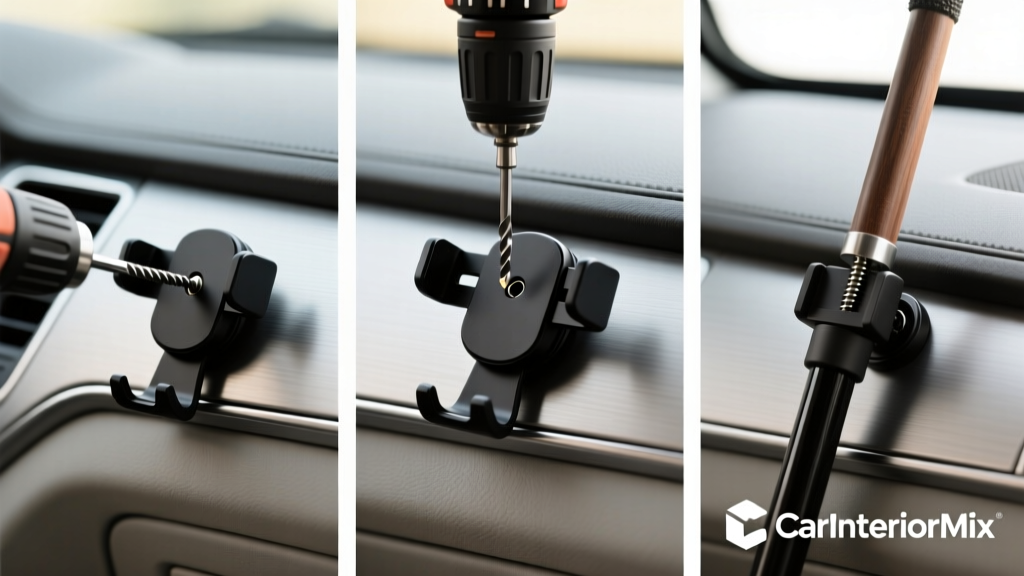
Cane Holder Mount Installation: Step-by-Step (2026)
Adding a cane holder mount to your vehicle sounds like a small upgrade, but for many drivers and passengers it?s a daily quality-of-life improvement. A cane sliding around in the footwell can be distracting, annoying, and genuinely unsafe?especially during sudden braking or sharp turns. The right mount keeps a mobility aid within easy reach while preventing it from becoming a rolling hazard.
Beyond safety, a properly installed cane holder helps keep your cabin organized. It protects interior surfaces from scuffs, keeps walkways clear for easier entry and exit, and saves time when you?re in a hurry. Whether you drive a compact sedan, a lifted truck, or an SUV packed with gear, this guide walks you through choosing the right mount and installing it cleanly the first time.
This article focuses on common automotive cane holder mounts: headrest-mounted holders, seat-side mounts, console mounts, cargo-area mounts, and adhesive/strap-based solutions. You?ll get step-by-step installation instructions, product comparisons, practical tips from real-world setups, and a checklist of mistakes to avoid.
Why a Cane Holder Mount Matters in a Car Interior
- Safer cabin: A cane that rolls under pedals or into the driver?s footwell is a real safety risk.
- Faster access: When you park, you don?t want to dig under seats or in the trunk for your cane.
- Less interior wear: Rubber tips and metal shafts can scuff door panels, center consoles, and seat backs.
- Better for passengers: A stable cane storage spot makes ride-sharing and family trips smoother.
Choosing the Right Cane Holder Mount (Quick Comparison)
Before you install anything, match the mount style to how you enter/exit the car and where you want the cane to sit. The best cane holder mount is the one that?s secure, easy to reach, and doesn?t interfere with airbags or seat operation.
Common Mount Types
- Headrest post mounts (strap or clamp): Cane hangs behind the seat. Great for front passenger storage and rear-seat access.
- Seat rail / seat side mounts: Attaches near the lower seat structure. Works well for driver-side access if it doesn?t block seat travel.
- Center console / tunnel mounts: Good for canes used by either front occupant; must avoid knee contact and shifter clearance.
- Cargo area mounts: Best for walkers/canes stored in SUVs/hatchbacks; less ideal for quick access when stepping out.
- Adhesive base + clip: Simple install, but must be used on suitable surfaces and with realistic expectations about heat and load.
What to Look For in a Good Holder
- Secure retention: Rubberized clips or adjustable straps that won?t loosen over bumps.
- Fits your cane: Diameter compatibility for standard, folding, quad, or offset-handle canes.
- Interior-safe materials: Soft-touch pads to prevent scuffs and squeaks.
- Vehicle compatibility: Works with your seat style (removable headrest posts vs. integrated headrests).
- Easy one-hand release: Helpful when exiting the car.
Tools and Supplies Checklist
Most cane holder mounts install with basic tools. Gather these before you start:
- Microfiber cloth and interior cleaner (or mild soap + water)
- Isopropyl alcohol (70% or 91%) for surface prep (especially for adhesive mounts)
- Measuring tape or ruler
- Plastic trim tool (optional, for tucking straps or routing cleanly)
- Scissors (for trimming zip ties or excess strap tails)
- Zip ties (optional, for extra stabilization)
- Torque/hex key or screwdriver (only if your mount uses bolts)
Pre-Installation Planning: Placement, Safety, and Fit
A clean install starts with smart placement. Take five minutes to test-fit the cane and check clearances.
Placement Tips That Prevent Headaches Later
- Keep the cane out of pedal range: Nothing should be able to slide toward the brake or accelerator.
- Avoid airbag zones: Don?t mount to A-pillars, steering column covers, or areas where side curtain airbags deploy.
- Respect seat movement: Slide the seat fully forward/back and recline it to confirm the cane and holder won?t bind.
- Minimize door contact: Make sure the cane won?t bang the door panel when closing.
- Check passenger comfort: A mount that digs into a knee or shin will get removed quickly.
Real-World Example Placements
- Compact sedan (daily commuting): Headrest strap mount behind the front passenger seat keeps the cane reachable from the driver seat without interfering with pedals.
- SUV (family vehicle): Cargo-area mount near the liftgate for a folding cane, plus a small interior hook near the second row for quick access.
- Pickup truck (high step-in): Seat-side mount on the driver?s seat base so the cane is ready when stepping down, but positioned to avoid seat slider rails.
Step-by-Step Installation: Headrest Post Cane Holder Mount
This is one of the most popular cane holder mount setups because it?s secure, reversible, and doesn?t require drilling. It works best with removable headrests and exposed headrest posts.
Step 1: Test Fit the Holder and Cane
- Raise the headrest slightly to give you room to work.
- Hold the mount behind the seat back where you want the cane to hang.
- Place the cane into the holder to check length and clearance (floor, seatback, and rear passenger knees).
Step 2: Clean Contact Surfaces
- Wipe the headrest posts and the seatback area where straps may touch.
- If the mount has rubber pads, make sure they?re free of lint to prevent slipping.
Step 3: Attach the Strap/Clamp to the Headrest Posts
- Wrap the strap around one or both headrest posts (depending on design).
- Tighten gradually, alternating sides so the mount stays centered and level.
- If it?s a clamp style, snug it evenly?tight enough to resist twisting, but not so tight that it marks the posts.
Step 4: Set the Cane Height and Orientation
- Position the cane so the handle is easy to grab from the door opening.
- Angle the cane slightly toward the door side for faster retrieval.
- Confirm the cane tip isn?t digging into the carpet (which can cause squeaks and wear).
Step 5: Verify Seat and Passenger Clearance
- Move the seat through its full range.
- Check that the cane doesn?t interfere with rear passengers entering/exiting.
- Take a short drive and listen for rattles; re-tension the strap if needed.
Step-by-Step Installation: Seat-Side or Seat-Rail Cane Holder Mount
Seat-side cane holders are great for quick access, especially for drivers who want the cane near the door opening. The trade-off is that you must be careful with seat rails, wiring harnesses, and seat airbags.
Step 1: Identify a Safe Anchor Point
- Slide the seat back and look for a stable metal seat frame point or a seat-rail bolt location approved by the mount manufacturer.
- Avoid attaching anything to yellow connectors or harnesses (commonly airbag-related).
- Make sure the holder won?t pinch wiring when the seat moves.
Step 2: Dry Fit With the Seat Fully Forward and Fully Back
- Hold the mount in place and move the seat forward and backward.
- Confirm there?s no contact with the center console, door sill, or carpet that causes binding.
Step 3: Install the Mount
- For strap-based mounts: wrap and tighten around the seat frame, then lock the buckle.
- For bolt-on mounts: follow the manufacturer?s instructions and use the correct tool. If a seat bolt is involved, tighten to spec and do not overtighten.
- For clip-on mounts: ensure the clip fully engages and doesn?t slide when pulled.
Step 4: Load the Cane and Test Exit/Entry
- Insert the cane and test grabbing it in one motion while seated.
- Open and close the door to ensure the cane doesn?t collide with the door panel.
- Do a quick braking test in a safe area to confirm it stays secured.
Step-by-Step Installation: Adhesive Clip or Console-Side Holder
Adhesive cane holder clips can look clean and feel ?factory? when installed properly. The biggest factor is surface prep and choosing a mounting surface that stays cool and flat enough for a strong bond.
Step 1: Pick the Right Surface
- Choose a flat, rigid area (console side panel, lower dash trim, or cargo trim).
- Avoid textured, oily, or soft-touch rubber surfaces where adhesives struggle.
- Don?t mount where knees will constantly rub the clip.
Step 2: Prep Like a Pro
- Clean with interior cleaner, then wipe with isopropyl alcohol.
- Let the surface fully dry.
- If it?s cold, warm the area gently (a warm cabin is usually enough). Adhesives bond best around room temperature.
Step 3: Place, Align, and Stick
- Use painter?s tape as a temporary guide line if you want perfect alignment.
- Peel the adhesive backing and press firmly for 30?60 seconds.
- Wait before loading weight?many adhesives reach full strength after several hours.
Step 4: Add the Cane and Perform a Road Test
- Insert the cane and check for wobble.
- Drive over a bumpy road at low speed; if the clip shifts, re-evaluate the surface or switch to a strap/clamp style mount.
Product Recommendations and What Each Is Best For
Car interior cane holder mounts generally fall into a few ?best use? categories. Rather than chasing a specific brand name, match the design to your vehicle and habits.
Best Overall: Headrest Strap/Clamp Cane Holder
- Why it works: Stable, easy to install, no drilling, and usually doesn?t interfere with airbags.
- Ideal for: Sedans and SUVs with removable headrests; drivers who want the cane accessible from the door opening.
- Look for: Dual retention points (clip + strap), padded contact surfaces, adjustable height.
Best for Driver Access: Seat-Side Mount with Adjustable Angle
- Why it works: Places the cane within arm?s reach without twisting your torso.
- Ideal for: Taller vehicles and drivers who exit frequently.
- Look for: Secure frame strap, low-profile design, no interference with seat rails.
Best Clean Look: Adhesive Console Clip (Use Selectively)
- Why it works: Minimalist appearance and quick install.
- Ideal for: Light canes, smooth plastic panels, mild climates.
- Look for: Automotive-grade adhesive pads and a clip lined with rubber to prevent rattles.
Best for Folding Canes: Cargo-Area Strap Mount
- Why it works: Keeps the cane protected and out of the main cabin space.
- Ideal for: SUVs/hatchbacks, road trips, and anyone who prefers a clutter-free front row.
- Look for: Adjustable strap length, quick-release buckle, and mounting points that won?t damage trim.
Practical Tips for a Rattle-Free, Factory-Like Install
- Add a soft barrier: If the cane taps plastic trim, place a small felt pad where it contacts.
- Control the tip: A cane tip resting on the floor can squeak. Raise the cane slightly or add a second retention strap.
- Prevent rotation: If the holder twists on headrest posts, add a thin rubber strip between the clamp and post (if allowed by the mount design).
- Keep it reachable: The ?perfect? storage spot is the one you?ll actually use every time you park.
- Seasonal check: Re-tighten straps after temperature swings; interiors expand/contract and can loosen fittings.
Common Mistakes to Avoid
- Mounting in an airbag deployment area: This can be dangerous in a crash and can damage interior components.
- Ignoring seat travel: A mount that seems fine parked may jam when the seat moves.
- Relying on weak adhesives: Cheap tape and textured surfaces don?t mix?especially in hot climates.
- Placing the cane where it becomes a projectile: If it can pop free during braking, the mount isn?t secure enough.
- Blocking cupholders, shifters, or door handles: Convenience matters; if it?s in the way, you?ll stop using it.
- Overtightening clamps: Too much force can mar headrest posts or crack plastic components.
FAQ: Cane Holder Mount Installation
Will a cane holder mount fit any car?
Most strap-based headrest and seat-frame mounts fit a wide range of vehicles, but integrated (non-removable) headrests can limit options. If your seats don?t have exposed headrest posts, look for seat-side mounts, console mounts, or cargo-area solutions.
Where is the best place to mount a cane holder in a car?
For quick access, many drivers prefer behind the front passenger seat headrest or along the driver-side seat base near the door opening. The best location is one that keeps the cane secure, out of pedal range, and clear of airbags and seat movement.
Can I use an adhesive cane clip on textured interior plastic?
Sometimes, but it?s hit-or-miss. Textured plastics reduce adhesive contact area, and heat can weaken the bond. If you try it, prep with alcohol and choose an automotive-grade adhesive pad. If it fails, switch to a strap or clamp mount.
How do I stop my cane from rattling while driving?
Use a holder with rubberized contact points, tighten straps, and add a second retention point if the cane can swing. Felt pads placed at contact points can also eliminate tapping noises against trim or seat backs.
Is it safe to mount a cane holder near the driver?s seat?
Yes, if it cannot slide into the footwell, doesn?t interfere with pedal operation, and doesn?t block seat controls or seatbelt operation. Avoid any attachment near airbag components or wiring.
What about quad canes or folding canes?
Quad canes often need a wider cradle or strap due to the base, and they can be heavier?avoid flimsy adhesive clips. Folding canes are ideal for cargo-area strap mounts or compact console-side holders since they?re shorter and easier to secure.
Conclusion: Your Next Steps
Pick the mount style that matches how you actually use your cane?then install it with safety and daily access in mind. If you want the simplest, most reversible setup, start with a headrest strap/clamp cane holder mount. If you need faster driver-side access, a seat-side mount can be a great upgrade as long as you verify seat travel and avoid wiring and airbag areas.
Next steps:
- Choose a mounting location and do a quick test-fit with the cane.
- Install using the step-by-step instructions above.
- Road test for rattles, shifting, and clearance issues, then re-tighten as needed.
For more practical car interior guides, smart accessory installs, and organization tips, explore the latest articles on carinteriormix.com.