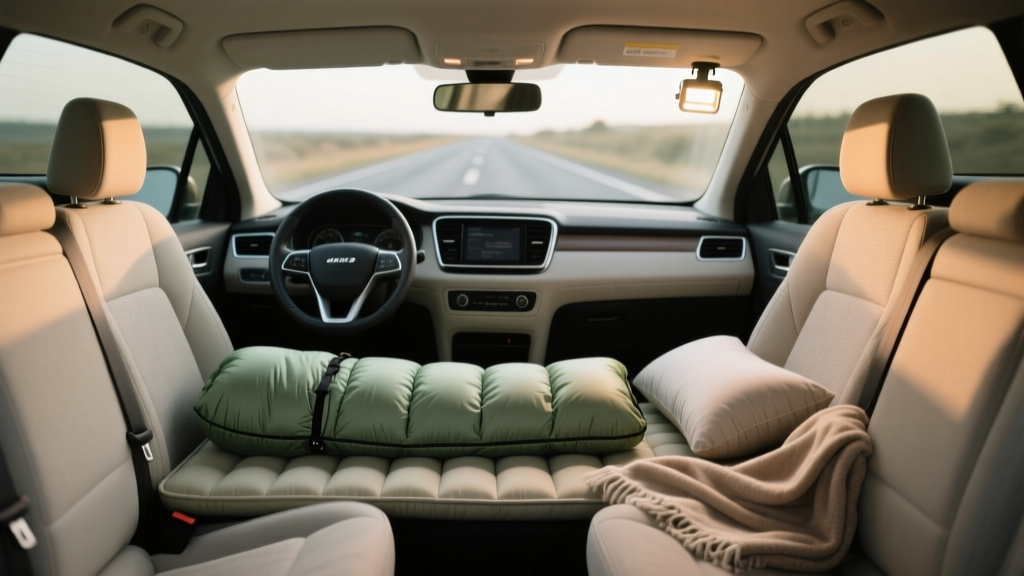
Sleeping Kit Setup: Best Picks for Cars (2026)
Sleeping in your car has gone from ?last resort? to a smart, flexible way to travel. Whether you?re road-tripping, heading to a remote trailhead, doing a weekend festival, or taking a long drive where a hotel stop feels like a hassle, a well-built sleeping kit setup can turn your vehicle into a safe, comfortable mini-camper.
The difference between a decent night?s sleep and a cramped, restless one usually comes down to preparation. A good sleeping kit isn?t just a mattress tossed in the back?it?s a system: leveling, insulation, privacy, ventilation, power, and the small comforts that keep you warm, organized, and ready to drive the next day.
This guide breaks down what to buy (and what to skip), how to fit everything to your vehicle, and how to avoid the common mistakes that make car sleeping uncomfortable or unsafe. If you?re building your first setup or upgrading from ?blanket on the seats,? you?ll find practical options for every budget and vehicle type.
What Is a ?Sleeping Kit Setup? for a Car?
A car sleeping kit setup is the combination of gear and layout choices that let you sleep inside your vehicle comfortably and safely. It usually includes:
- Sleep surface: mattress pad, air mattress, folding foam, or a platform bed
- Warmth + insulation: sleeping bag, quilt, blankets, insulated liners
- Privacy + light control: window shades, curtains, blackout panels
- Ventilation + bug protection: window screens, fans
- Organization: bins, seat-back organizers, gear pockets
- Power + lighting: power station, USB lighting, headlamp
- Safety + hygiene: CO alarm (if applicable), first-aid kit, wipes, trash control
Start Here: Match the Setup to Your Vehicle and Use Case
Vehicle type matters more than brand names
Your interior dimensions will decide what works:
- Sedans: typically best with a reclined-seat setup or a ?rear seat delete? style layout using the trunk pass-through.
- Hatchbacks: easiest low-cost builds?fold the rear seats flat and you?ve got a decent sleeping length.
- SUVs/crossovers: ideal for full sleeping kits, often with room for a platform and storage underneath.
- Trucks: sleeping in the cab is tight; many owners use a bed tent or topper setup (different category, but the sleeping kit components still apply).
- Minivans: the MVP?flat floors, long cargo area, and better headroom for changing clothes.
Be honest about how you?ll use it
Before buying anything, answer these:
- Will you sleep in the car once a year or every weekend?
- Warm climates, cold climates, or both?
- Solo travel or two people?
- Stealth (urban/parking lots) or camping/trailheads?
- Will you need to pack it away quickly each morning?
Real-world example: A hatchback owner doing weekend trailhead sleeps might prioritize a quick-fold foam mattress, window screens, and a compact power bank. A couple in an SUV doing multi-week road trips might want a platform bed, dedicated storage bins, blackout window covers, and a power station to run a fan and charge devices nightly.
Measuring Your Interior: The 10-Minute Step That Saves You Money
Most sleeping kit mistakes come from buying gear before measuring.
Step-by-step: Measure for a car sleeping setup
- Fold seats flat (or set your intended sleeping configuration).
- Measure sleeping length from the tailgate/trunk edge to the back of the front seats. Add the ?toe space? you?ll realistically need.
- Measure width at the narrowest point (often between wheel wells).
- Measure height from the floor to the headliner where your head will be?especially important if you plan a platform bed.
- Check seat angle gaps where folded seats don?t sit flat; note the dips.
- Plan storage footprint (cooler, bins) so you don?t lose sleeping length.
Tip: Use painter?s tape on the floor to outline the sleeping area. It makes it easier to visualize whether a 25-inch pad or a 30-inch pad is realistic.
The Sleep Surface: Choosing a Mattress, Pad, or Platform
Option 1: Folding foam mattress (best for most car owners)
Tri-fold foam mattresses and camping foam pads are popular because they?re simple, reliable, and quieter than air mattresses.
- Pros: fast setup, no punctures, decent insulation, easy to trim/shape
- Cons: bulkier to store, some are too wide for small cars
- Best for: hatchbacks/SUVs, frequent trips, cold-weather sleepers
Option 2: Inflatable air mattress (most compact)
Car-specific air mattresses can fit between wheel wells or around seat contours.
- Pros: packs small, adjustable firmness
- Cons: can feel cold without insulation, puncture risk, pump noise/time
- Best for: occasional use, limited storage space
Option 3: Self-inflating sleeping pad (best balance of comfort + packability)
- Pros: better insulation than pure air, compact, durable
- Cons: pricier than basic foam, limited thickness in tight interiors
- Best for: solo sleepers, small SUVs, winter-leaning setups
Option 4: Platform bed (best for long trips and organization)
A simple plywood platform or modular box system creates a flat, supportive sleeping area and storage underneath.
- Pros: flattest sleep, best organization, consistent setup night after night
- Cons: takes time to build, adds weight, reduces headroom
- Best for: multi-week travel, full-time road trips, two-person setups
Quick comparison: what to buy first?
- Budget + speed: folding foam + window shades
- Compact storage: self-inflating pad + packable quilt
- Maximum comfort: platform + quality mattress topper
Warmth and Comfort: Sleep Systems That Actually Work
Car interiors can get cold fast, even in mild weather. A good sleep system is about insulation under you and appropriate bedding over you.
What to prioritize
- Under-body insulation: foam pad, insulated sleeping pad, or a topper over a platform
- Top warmth: sleeping bag (rated for your temps) or a camping quilt
- Small comfort upgrades: real pillow, fitted sheet, soft blanket for skin comfort
Cold-weather tip that car sleepers swear by
If you?re using an air mattress, add a foam layer or insulated blanket underneath. Air beds can feel like sleeping on a cold sink because air circulation steals heat.
Privacy, Light Control, and ?Stealth? Basics
Window coverage is one of the best upgrades for comfort and peace of mind.
Privacy options (from easiest to best)
- Reflective sunshades: affordable and helps with temperature control
- Magnetic curtains (for metal frames): quick on/off
- Custom-fit window covers: cleanest look, best blackout, best insulation
- DIY panels: Reflectix + fabric + Velcro tabs can work great if measured carefully
Practical tip: If you?ll sleep in parking lots, choose darker exterior-facing material. Bright silver can draw attention at night under streetlights.
Ventilation and Condensation: The Comfort Problem Most Beginners Miss
Two people breathing in a closed vehicle creates condensation quickly. That moisture leads to fogged windows, damp bedding, and a musty interior over time.
Step-by-step: Reduce condensation overnight
- Crack two windows slightly (even 0.5?1 inch helps).
- Use window vent screens to keep bugs out.
- Add a small USB fan to move air across the cabin.
- Keep wet gear outside the sleeping area (shoes, jackets, towels).
- Wipe down windows in the morning with a microfiber towel.
Safety reminder: Avoid running the engine overnight for heat or A/C. If you need climate control, plan stops where it?s safe and permitted, and prioritize insulation and bedding instead.
Power and Lighting: Simple Upgrades That Make Nights Easier
You don?t need a complicated electrical build to make a car sleeping kit feel premium.
Power options
- USB power bank: good for phones, headlamps, small fans (budget-friendly)
- Portable power station: better for multi-night trips, charging cameras/laptops, running fans longer
- 12V car charger setup: useful while driving; pair with a power bank for nighttime
Lighting recommendations
- Warm LED strip or puck lights: less harsh than cool white
- Headlamp: hands-free for setup and late-night stops
- Small lantern: ideal for reading and cabin lighting
Organization: Keep Your Sleeping Area Clear
Clutter steals space and makes you feel boxed in. The best car camping setups keep essentials reachable and everything else contained.
Easy organization upgrades
- Soft-sided bins: quieter and easier to squeeze into corners than hard totes
- Seat-back organizers: perfect for toiletries, chargers, snacks
- ?Night bag? pouch: a small bag with phone, keys, headlamp, water, and earplugs
- Shoe tray or bag: keeps dirt from spreading to bedding
Recommended Buying Checklist (Build Your Kit in the Right Order)
If you?re starting from scratch, buy in phases so you don?t overspend on gear you don?t need.
Phase 1: Essentials for a comfortable first night
- Sleep surface (folding foam or insulated pad)
- Bedding (sleeping bag/quilt + pillow)
- Window covers (at least front windshield + side shades)
- Vent screens + small fan
- Headlamp + phone charger
Phase 2: Upgrades for frequent trips
- Custom-fit window covers or curtain system
- Portable power station
- Better mattress/topper or a simple leveling platform
- Storage bins and seat organizers
Phase 3: Long-trip comfort and convenience
- Platform bed with under-bed storage
- Dedicated water jug + wash kit
- Compact cooler/fridge solution
- Higher-quality quilt/sleeping bag for shoulder seasons
Common Mistakes to Avoid
- Buying a mattress before measuring: ?SUV mattress? is not a standard size. Wheel wells and seat angles vary a lot.
- Ignoring insulation under your body: you?ll feel colder from below than above, especially on air beds.
- Sealing the car completely: condensation builds fast; crack windows and use a fan.
- Overbuilding too soon: a heavy platform can be great, but many people would be happier with a folding foam setup first.
- Sleeping on uneven surfaces: small dips from folded seats can cause back pain. Use leveling blocks, folded blankets, or a foam layer.
- Forgetting ?where does the gear go?? If your luggage ends up on your bed, you?ll constantly re-pack at night.
FAQ: Sleeping Kit Setup for Cars
What?s the best sleeping kit setup for a small car?
For most small cars and hatchbacks, a single-width self-inflating pad or tri-fold foam mattress cut to fit works best, paired with simple window shades and a USB fan. Keep storage in soft bins so you can compress gear around wheel wells.
Is an air mattress good for sleeping in a car?
It can be, especially for occasional trips. Choose a car-specific size and plan for extra insulation underneath (foam pad or thick blanket). If you sleep cold or travel often, foam or self-inflating pads are usually more consistent.
How do I stop my car windows from fogging up overnight?
Crack two windows slightly, use vent screens, run a small fan, and keep wet items out of the cabin. Wipe the glass in the morning and air out bedding when possible.
What should I do about privacy when sleeping in my car?
At minimum, use a windshield sunshade and rear/side window covers. For the cleanest setup, consider custom-fit blackout window covers or a curtain system that blocks light from street lamps and gives you a more relaxed, ?room-like? feel.
Do I need a power station for car sleeping?
Not for a single night. For multi-night trips, a small power station is a quality-of-life upgrade for running a fan, charging devices, and keeping lights on without draining your starter battery.
Conclusion: Build a Setup You?ll Actually Use
The best sleeping kit setup is the one that fits your vehicle, your climate, and your travel style?without turning every night into a 20-minute rearranging session. Start with the basics: a flat sleep surface, insulation, ventilation, and privacy. Then upgrade based on what bothered you after your first couple of nights.
Next steps:
- Measure your interior this week and write down your max sleeping length/width.
- Choose your sleep surface (foam, self-inflating pad, or platform) based on frequency of use.
- Add window covers + ventilation before spending money on fancy extras.
- Do one ?driveway test night? to fine-tune comfort and organization.
For more practical interior-focused road trip ideas?comfort, storage, cleaning, and car camping upgrades?explore our latest guides on carinteriormix.com.