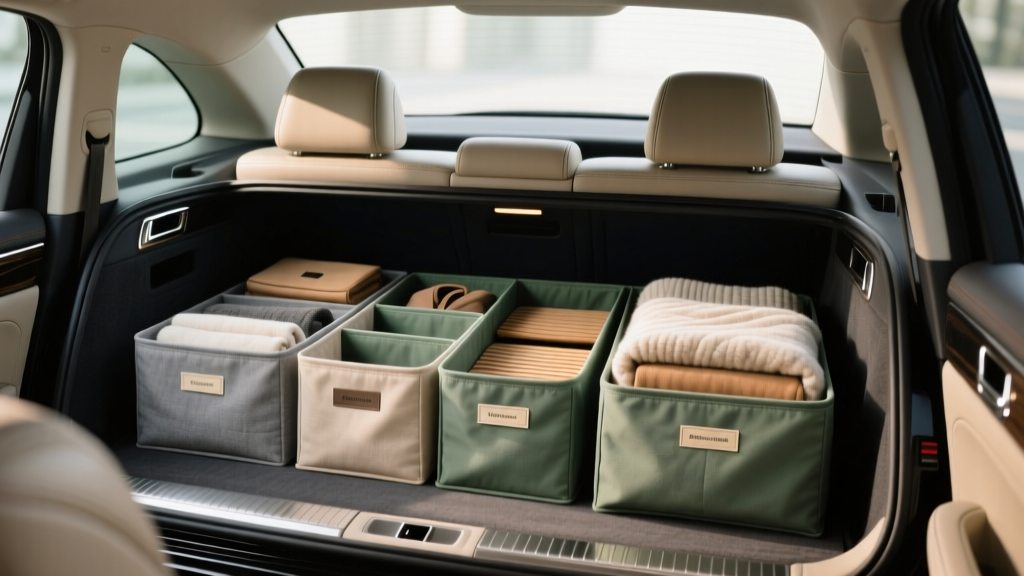
Trunk Organizer Setup: Seasonal Protection (2026)
Your trunk is one of the most abused ?rooms? in your vehicle. Groceries tip over, sports gear sheds dirt, road salt ends up on everything, and that emergency kit you meant to keep tidy slowly turns into a rolling pile of stuff. A solid trunk organizer setup does more than keep things looking neat?it protects your cargo area, reduces rattles, prevents stains, and makes daily errands faster.
Seasonal changes make trunk organization even more challenging. Winter brings wet boots, ice scrapers, and salt-covered gear. Summer means beach sand, sunscreen spills, and higher cabin temperatures that can warp cheap plastics. Fall and spring are mud-and-leaf seasons, plus unpredictable weather that turns ?dry storage? into ?mystery moisture.? With a smart seasonal approach, you can keep your trunk clean, protect the carpet and panels, and always have the right essentials on hand.
This guide walks you through a practical, repeatable system: choose the right organizer style for your vehicle, protect the trunk surfaces, and rotate your supplies by season?without overbuying or turning your car into a storage unit.
Why a Seasonal Trunk Setup Matters (Beyond Being ?Organized?)
- Protects resale value: Stained trunk carpet, gouged plastic trim, and rusted tie-down points can show up during trade-in or private sale inspections.
- Improves safety: Loose items become projectiles during hard braking or a collision. Properly secured organizers reduce risk.
- Saves time: No more unloading half the trunk to find a flashlight or a charging cable.
- Reduces odor and moisture issues: Wet gear trapped in carpet can lead to musty smells and mildew.
- Prevents damage to cargo: Groceries, fragile packages, and electronics are less likely to shift and break.
Know Your Trunk: Space, Anchors, and Problem Areas
Quick trunk assessment (5 minutes)
- Measure usable space: Width between wheel wells, trunk depth, and height under the parcel shelf or hatch cover.
- Find anchor points: Look for cargo hooks, tie-down loops, seatback latches, or rails (common in wagons and SUVs).
- Identify ?mess zones?: Where spills happen (near the opening), where water pools, and where items slide most.
- Check underfloor storage: Many cars have a spare tire well or hidden compartment?great for emergency gear.
- Note trunk material: Carpeted trunks need more protection from moisture; plastic-lined cargo areas are easier to wipe down but can scratch.
Real-world example: In a compact sedan, a tall rigid bin may block the trunk hinge arms and get crushed when closing. In a hatchback, open bins can spill during sharp turns unless they?re strapped to anchors.
Choose the Right Organizer Style (What Works Best by Season)
1) Collapsible fabric organizer (best all-around)
- Pros: Lightweight, folds flat, usually has dividers and handles; great for groceries and daily items.
- Cons: Can soak up moisture if placed on wet carpet; cheaper models sag when half-full.
- Best for: Spring/fall errands, family vehicles, daily commuting.
2) Rigid plastic tote with lid (best for winter and wet items)
- Pros: Easy to wipe clean, contains leaks, protects contents from slush and mud.
- Cons: Can slide unless secured; hard edges may scuff trunk trim without a liner.
- Best for: Winter gear, roadside kit, messy tools.
3) Trunk tray/cargo liner + modular bins (best protection-focused setup)
- Pros: Liner protects carpet; modular bins keep categories separated; easy seasonal swapping.
- Cons: Higher initial cost; you?ll want a non-slip base or straps to prevent shifting.
- Best for: Enthusiasts who want a clean, long-term solution.
4) Seatback/hatch organizers (best for small trunks)
- Pros: Uses vertical space; keeps small items visible; ideal for emergency supplies.
- Cons: Can rattle if overloaded; may interfere with folding seats or cargo covers.
- Best for: Small sedans, coupes, or anyone who wants a ?grab-and-go? layout.
Protection First: Liners, Mats, and Anti-Slip Solutions
Essential protective layers
- All-weather cargo liner: The single best upgrade for seasonal trunk protection. Look for raised edges to trap liquids and debris.
- Non-slip mat (rubber or foam): Prevents organizers from sliding and reduces noise.
- Corner/edge guards (optional): Useful if you frequently load heavy gear that can gouge plastic trim.
- Waterproof blanket or cargo cover: Great for pet transport, beach gear, or dirty strollers.
What to look for in a cargo liner
- Vehicle-specific fit (best) vs. universal cut-to-fit (budget-friendly but less coverage)
- Raised lip to contain melted snow, spilled drinks, or garden soil
- Texture/grip that helps bins stay put
- Easy cleaning (wipe down or hose off)
Step-by-Step: Seasonal Trunk Organizer Setup
Step 1: Empty, clean, and reset
- Remove everything (including items under the floor panel).
- Vacuum debris from corners and the trunk latch area.
- Wipe plastics with a mild interior cleaner; avoid greasy dressings that attract dust.
- If you have carpet stains, spot-clean now?stains set over time, especially in humid seasons.
Step 2: Install protection layers
- Place your cargo liner or trunk mat first.
- Add a non-slip mat on top if your liner is slick.
- If you carry wet gear, designate one ?wet zone? using a waterproof tray or tote.
Step 3: Build a simple zone system (works in any vehicle)
A clean trunk stays clean when everything has a home. Try this three-zone layout:
- Zone A: Daily use (closest to the trunk opening): grocery organizer, reusable bags, small tote.
- Zone B: Emergency + safety (stable and tucked): roadside kit, first aid, flashlight, basic tools.
- Zone C: Seasonal gear (swap-in bin): winter or summer supplies, sports equipment, travel items.
Step 4: Secure the load (no more sliding bins)
- Use built-in cargo hooks with adjustable straps or bungee cords (light loads only).
- If your organizer has Velcro on the bottom, it may grip carpet well?but it won?t grip a rubber liner.
- For SUVs and hatchbacks, consider a cargo net to stop forward movement during braking.
- Keep heavy items low and close to the seatbacks for better stability.
Step 5: Label and make it easy to maintain
- Add small labels: ?FIRST AID,? ?WINTER,? ?TOOLS,? ?SPORT.?
- Keep a small trash bag roll and a microfiber towel in the trunk to handle messes immediately.
- Plan a 2-minute weekly reset: remove receipts, put loose items back in their zones.
Season-by-Season Trunk Setup: What to Carry and How to Protect
Winter: salt, moisture, and emergencies
Winter trunk organization is about containment and access. Cold weather also makes plastics brittle, so avoid cheap thin bins that can crack.
- Recommended container: Rigid lidded tote for wet gear + small fabric organizer for daily items.
- Protection priority: Raised-edge cargo liner, plus an extra waterproof tray for slush-covered items.
Winter trunk checklist:
- Ice scraper + brush
- Warm gloves, hat, blanket
- Small shovel (folding style works well)
- Traction aid (sand/kitty litter or traction boards)
- Jumper cables or a jump starter (store per manufacturer guidance)
- Flashlight/headlamp with fresh batteries
Pro tip: Keep wet boots or chains in a sealed tote. This prevents salt water from soaking into trunk carpet and causing long-term odor.
Spring: mud, rain, and sports season
- Recommended container: Collapsible organizer with washable inserts, plus a ?mud bag? (waterproof tote).
- Protection priority: Non-slip mat to reduce sliding on wet days.
Spring trunk essentials:
- Compact umbrella or rain poncho
- Microfiber towels (at least two)
- Basic interior wipes (non-greasy)
- Reusable grocery bags + insulated bag for cold items
Summer: heat, sand, and road trips
- Recommended container: Modular bins so you can pull out ?beach? vs. ?road trip? quickly.
- Protection priority: Sand containment?use lidded bins and a small brush or handheld vacuum.
Summer trunk essentials:
- Sunshade (even in the trunk, it?s handy)
- Picnic blanket or waterproof ground mat
- Spare water (avoid storing long-term in extreme heat; rotate often)
- Sunscreen (keep in a small insulated pouch; heat can degrade it)
- 12V tire inflator (road-trip hero)
Real-world example: Beach sand will migrate into trunk carpet fibers and never fully vacuum out. A cargo liner plus a lidded tote for sandy towels makes cleanup a 2-minute wipe-down instead of an hour of vacuuming.
Fall: leaves, wet gear, and early darkness
- Recommended container: Fabric organizer plus a small ?quick clean? kit.
- Protection priority: Moisture control?wet leaves can stain and smell if left in the trunk.
Fall trunk essentials:
- Gloves for fueling or handling dirty gear
- Headlamp/flashlight (days get shorter fast)
- Small whisk brush for leaf debris
- Light jacket or emergency layer
Product Recommendations and Smart Comparisons
Best ?core setup? for most drivers
- All-weather cargo liner (vehicle-specific if possible)
- Collapsible trunk organizer with 2?3 compartments
- Small lidded tote for wet/dirty or seasonal gear
- Adjustable straps or cargo net to secure everything
Organizer features worth paying for
- Reinforced base panels: Prevent sagging when loaded with bottles or tools
- Stiff sidewalls: Keeps shape and stops groceries from tipping
- Removable dividers: Lets you resize compartments seasonally
- Water-resistant fabric: Helps during rainy seasons (still avoid storing soaked items directly in fabric)
- Reflective strip or bright interior lining: Easier to see at night
Budget vs. premium: where to spend
- Spend on: cargo liner (fit and durability matter), quality straps, and a decent flashlight.
- Save on: secondary bins, labels, and basic dividers?those are easy to upgrade later.
Common Mistakes to Avoid
- Storing wet gear on carpet: Even ?quick drying? items can leave moisture behind and cause odor.
- Relying on Velcro bottoms on rubber liners: Velcro grips carpet, not most all-weather mats?use straps or a net.
- Overloading one big bin: Heavy bins slide more and are harder to lift safely. Use two medium bins instead.
- Leaving aerosols or certain chemicals year-round: Heat can cause cans to leak or fail. Store carefully and follow product labels.
- Blocking emergency access: Your first aid kit and flashlight shouldn?t be buried under sports gear.
- Ignoring noise: Rattles usually mean unsecured items. A thin foam pad or non-slip mat often fixes it.
FAQ: Seasonal Trunk Organization and Protection
What?s the best trunk organizer setup for a small sedan?
Use a compact collapsible organizer for daily items and a small lidded tote for emergency/seasonal gear. Keep the tallest items near the seatbacks so they don?t interfere with trunk hinges, and use straps if you have anchor points.
Do I really need an all-weather cargo liner?
If you deal with snow, rain, pets, sports gear, mulch, or beach days, a cargo liner is one of the most cost-effective ways to protect trunk carpet. It also makes seasonal cleanup far easier?wipe or hose instead of deep vacuuming.
How do I keep organizers from sliding around?
Combine a grippy surface (non-slip mat), proper placement (heavy items near seatbacks), and restraint (cargo net or straps). Sliding is most common on smooth rubber liners, so add a non-slip layer or secure the bin.
What should I keep in the trunk year-round vs. seasonally?
Year-round: first aid kit, flashlight, basic tools, reusable bags, and a microfiber towel. Seasonal: winter traction gear, summer beach/road trip items, and anything that can degrade in heat or cold (rotate as needed).
How often should I reset or clean my trunk setup?
A quick weekly reset keeps clutter from building. Do a seasonal deep reset 4 times a year: remove everything, vacuum, wipe down, and rotate your seasonal bin.
Wrap-Up: Your Next Steps for a Cleaner, Protected Trunk
Start with the basics: protect the trunk surface with a quality liner, set up three simple zones (daily, emergency, seasonal), and secure everything so it doesn?t slide. Then rotate your seasonal bin every few months?winter containment for wet gear, spring mud control, summer sand management, and fall moisture prevention. The payoff is immediate: less mess, less stress, and a trunk that?s ready for whatever the season throws at it.
If you want to build your setup today, do this in order:
- Clean and empty the trunk completely.
- Install an all-weather cargo liner (or at least a protective mat).
- Add one collapsible organizer + one lidded tote.
- Create your three zones and strap everything down.
- Stock your seasonal bin and label it.
Explore more practical car interior care and organization guides at carinteriormix.com to keep every part of your cabin?and cargo area?looking its best.