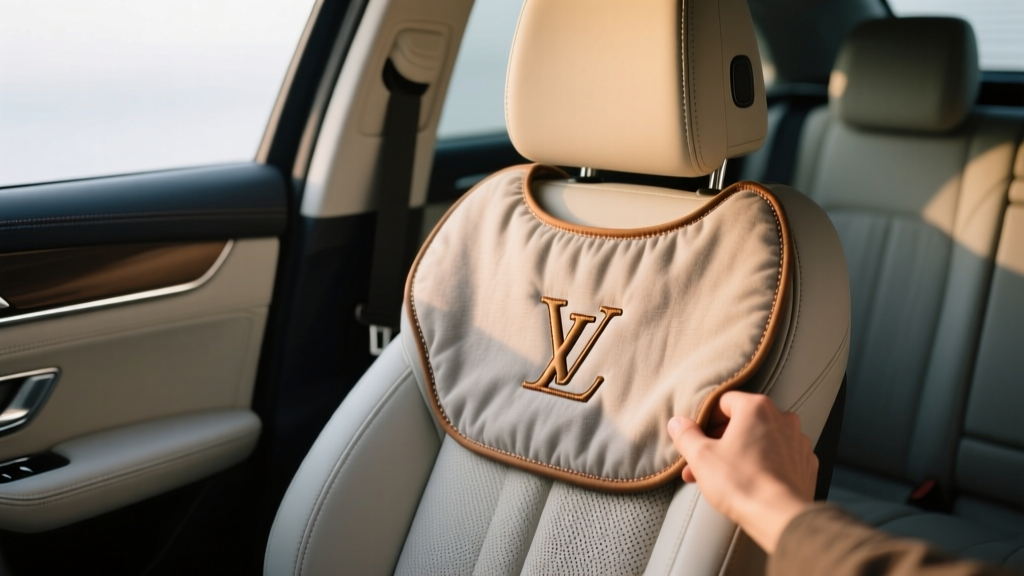
Seasonal Monogramming Techniques: Car Interior Protection
Monogramming adds personality to a car interior in a way few upgrades can. A stitched name on headrests, embossed initials on a steering wheel cover, a custom logo on floor mats?these details make the cabin feel tailored, premium, and uniquely yours. The catch: monogramming lives on high-touch, high-wear surfaces, and those surfaces react differently as the seasons change.
Heat bakes adhesives and fades thread. Winter brings salt, slush, and stiff materials. Spring moisture can trigger mildew in porous fabrics, and autumn?s temperature swings can cause cracking on leather and vinyl. If you want your custom interior accessories and embroidered car mats to look sharp year-round, you need seasonal care strategies?not just a one-size-fits-all cleaner.
This guide breaks down the best monogramming techniques for car interiors, how each holds up across the year, and exactly how to protect them. You?ll also get step-by-step cleaning methods, product recommendations, and common mistakes that quietly ruin custom stitching, patches, and embossing.
What ?Monogramming? Means in a Car Interior (and Why Seasonality Changes the Rules)
In automotive interiors, monogramming typically shows up in these forms:
- Embroidery: Thread stitched into fabric, leather, suede, or synthetic materials (headrests, seat backs, floor mats).
- Embossing/debossing: Heat and pressure create raised (embossed) or recessed (debossed) initials/logos on leather or vinyl.
- Heat-transfer vinyl (HTV) and decals: Pressed-on lettering or logos for seat covers, sun visors, and some mat surfaces.
- Patches and appliqu�s: Sewn-on or adhesive-backed emblems used on seat covers, bags, and organizer panels.
- Laser etching: Precise marking on certain leathers and synthetic trim panels.
Seasonal changes matter because interior temperature and humidity swing wildly. A car parked in the sun can exceed 140�F (60�C) inside; in winter, materials can drop below freezing. These extremes affect:
- Thread strength and dye stability (fading and fraying)
- Adhesive durability (lifting edges, bubbling, delamination)
- Leather oils and coatings (drying, cracking, shiny wear spots)
- Moisture retention in mats and fabric (odor, mildew)
Choosing a Monogramming Technique That Survives All Seasons
Best for year-round durability: embroidery + quality thread
Embroidery remains the most resilient choice for most car interior textiles?especially on floor mats and headrests?when paired with UV-stable thread and proper backing.
- Look for: Polyester embroidery thread (better UV resistance than rayon), tight stitch density, and a stabilizer/backing suited to the material.
- Best placements: Headrests, seat backs, premium floor mats, trunk mats.
Best for leather: debossing/embossing with the right finish
Embossing looks factory-clean on leather, but it depends heavily on the leather type and topcoat. Protected (coated) automotive leather typically holds embossing well, while very soft semi-aniline leathers can show wear faster in high-touch zones.
- Look for: Professional heat/pressure settings and a finish-safe conditioner plan.
- Best placements: Headrests, center armrest lids, leather key fobs, shift boots (if material allows).
Use with caution: heat-transfer vinyl and adhesive patches
HTV and adhesive-backed patches can look great, but they?re the most sensitive to heat and winter stiffness. If you love the look, place them where abrasion is low and temperature extremes are less punishing.
- Look for: Automotive-rated adhesive, rounded corners (less peeling), and a textured surface that grips well.
- Best placements: Seat-back organizers, removable covers, low-touch trim pieces.
Season-by-Season Protection Strategies
Summer: UV, heat soak, and sweat
Summer is brutal on color and adhesives. UV rays fade thread and vinyl; heat softens glue and can ?print? pressure marks into leather.
- Use a windshield sunshade to reduce cabin temp and UV exposure on monogrammed headrests.
- Choose UV-inhibiting interior protectants (non-greasy) for surrounding trim so dirt doesn?t embed in stitching.
- Blot, don?t rub sweat or sunscreen residue from embroidered areas?rubbing drives oils into fibers.
- Park smart: shaded parking or a car cover reduces UV damage dramatically over a single summer.
Real-world example: Embroidered headrests in a convertible often fade unevenly?usually on the upper arc where sun hits hardest. Rotating the headrest (if design allows) or using a UV-blocking window tint can help keep both sides consistent.
Fall: temperature swings and airborne grit
Autumn brings bigger day-to-night temperature swings and more dust and grit. Grit acts like sandpaper on raised stitching and embossed areas.
- Vacuum regularly with a soft brush attachment around monogramming to prevent abrasive wear.
- Lightly clean and protect before winter: remove embedded grime so it doesn?t mix with winter moisture and salt.
- Check edges of patches and vinyl lettering?fix minor lifting early before it spreads.
Winter: salt, slush, stiff materials, and wet mats
Winter damage usually comes from moisture plus chemicals (road salt, de-icers). Floor mats take the biggest hit, especially embroidered car mats.
- Switch to winter mats: consider rubber or hybrid all-weather mats for peak winter, and store your monogrammed carpet mats.
- If you keep monogrammed mats in place, rinse and dry them often to prevent salt crystallizing in the fibers.
- Avoid harsh alkaline cleaners that can discolor thread and degrade adhesives.
- Dry thoroughly: trapped moisture under mats can lead to odor and mildew that?s hard to remove from stitching.
Real-world example: Drivers in snowy states often notice ?crunchy? embroidery on mats by mid-winter. That?s salt residue hardening in the thread. A gentle rinse followed by a soft brush agitation can restore the thread feel before it becomes permanent abrasion.
Spring: moisture, pollen, and mildew prevention
Spring adds humidity spikes and pollen?both cling to textured stitching.
- Use a fabric-safe enzymatic cleaner for organic grime (food spills, pet residue) around monograms.
- Treat pollen like dust: vacuum first, then wipe?wet wiping pollen immediately can smear and stain.
- Ventilation matters: after rainy days, crack windows in a safe environment or run the HVAC to reduce humidity.
Step-by-Step: Cleaning and Protecting Monogrammed Areas
1) Embroidered monograms on seats and headrests
- Vacuum gently with a soft brush attachment to remove grit from the stitch valleys.
- Spot test any cleaner on a hidden area?thread dyes and seat materials vary widely.
- Use a pH-neutral upholstery cleaner (diluted if needed). Lightly mist onto a microfiber towel, not directly onto the monogram.
- Blot and lift using light pressure. For textured stitches, use a soft interior brush with short strokes in multiple directions.
- Rinse lightly by wiping with a clean, damp microfiber to remove cleaner residue.
- Dry fully with a dry towel, then allow air drying. Avoid high heat; it can set stains and weaken adhesives under backing.
- Optional protection: apply a fabric protectant (stain repellent) on surrounding fabric and lightly over embroidery, following the product?s cure time.
2) Embossed or debossed leather monograms
- Dust first with a dry microfiber so you don?t grind grit into the grain.
- Clean with a dedicated leather cleaner (automotive-safe). Work the cleaner into a microfiber or soft brush.
- Use gentle brush strokes across the embossed area to remove buildup from the recesses.
- Wipe clean with a dry microfiber?avoid leaving product pooled in the debossing.
- Condition lightly with a non-greasy leather conditioner. Too much can darken the monogram area and attract dirt.
- Reduce shine by buffing with a clean microfiber to keep the monogram crisp.
3) Heat-transfer vinyl, decals, and adhesive patches
- Dry dusting first prevents scratching and edge lifting.
- Use a mild interior cleaner on a microfiber towel and wipe in one direction (avoid catching edges).
- Inspect corners after cleaning. If an edge is lifting, stop aggressive wiping in that area.
- Re-secure minor lifting using a low-heat method only if the material supports it (for example, gently warming with a hair dryer at distance and pressing with a clean cloth). If it?s on leather or sensitive trim, consult a pro installer.
Product Recommendations and Smart Comparisons
Monogramming protection is mostly about using the right category of product?not chasing a single miracle bottle. Here?s a practical lineup to consider.
For embroidered and fabric monograms
- pH-neutral upholstery cleaner: Best for routine cleaning without fading thread.
- Foaming fabric cleaner: Useful for targeted spots; foam reduces over-wetting.
- Fabric protectant (stain repellent): Helps prevent spills from soaking into thread and backing.
Comparison tip: If you live in a rainy or snowy climate, prioritize a protectant with strong water repellency. If you have kids/pets, prioritize stain resistance and ease of reapplication.
For leather monograms (embossed/debossed)
- Dedicated leather cleaner: Safer than all-purpose cleaners on coated leather.
- Matte-finish leather conditioner/protectant: Helps prevent drying without making the monogram area glossy.
- UV protectant for interior surfaces: Especially valuable for convertibles and vehicles parked outdoors.
For floor mats with embroidered logos
- Carpet extractor (optional): Great for deep cleaning, but only if you can fully dry the mat afterward.
- Soft-to-medium brush: A stiff brush can fray embroidery edges over time.
- Two-mat strategy: Premium monogrammed carpet mats for fair weather, all-weather mats for winter.
Common Mistakes That Ruin Monogramming
- Using harsh cleaners (high pH or strong solvents): Can fade thread, strip leather coatings, and weaken adhesives.
- Over-wetting embroidered areas: Water can seep into backing and foam, leading to odor, mildew, and loosening stitches.
- Scrubbing aggressively: Frays thread, fuzzes fabric, and rounds off crisp embossed edges.
- Skipping rinsing: Cleaner residue attracts dirt, making monograms look grimy faster.
- Applying greasy protectants near embroidery: Oils trap dust and darken light-colored stitching.
- Leaving monogrammed carpet mats in for peak winter: Salt and slush are a long-term abrasion and staining recipe.
Seasonal Maintenance Checklist (Quick and Practical)
Monthly (year-round)
- Vacuum seats and mats with a soft brush attachment
- Spot-clean spills within 24?48 hours
- Inspect patches/decals for edge lift
Quarterly (at seasonal change)
- Deep clean fabric/embroidered areas and fully dry
- Clean and lightly condition leather monograms
- Apply fabric protectant if your interior sees heavy use
- Rotate or swap mats based on weather (carpet vs all-weather)
FAQ: Seasonal Monogramming Protection
How do I prevent embroidered logos on floor mats from fraying?
Vacuum often to remove grit, avoid stiff brushes, and rinse out salt during winter. If fraying starts, trim loose fibers carefully with small scissors?don?t pull them. Consider switching to all-weather mats during peak winter months.
Will fabric protectant change the look of embroidery?
Most quality fabric protectants dry clear, but heavy application can darken thread temporarily. Apply lightly, keep good ventilation, and always test on a small area first.
Is steam cleaning safe for monogrammed seats?
Steam can be safe in skilled hands, but it?s easy to overheat adhesives or over-wet backing materials. If you use steam, keep it moving, use low moisture, and dry thoroughly. For DIY, a pH-neutral cleaner and microfiber method is usually safer.
What?s the best way to protect embossed leather initials from cracking?
Keep the leather clean, use a matte leather protectant/conditioner sparingly, and reduce sun exposure with a shade or tint. Cracking is often more about overall leather dryness and heat exposure than the embossing itself.
My heat-transfer vinyl letters are lifting at the corners?what should I do?
Stop scrubbing that area, clean gently around it, and consider a professional re-press or replacement. DIY heat can work on some materials, but on leather or textured vinyl it can cause warping or discoloration.
Should I store monogrammed mats during winter?
If you deal with snow, salt, or heavy rain, yes. Use all-weather mats during winter and store your monogrammed carpet mats clean and completely dry to prevent mildew and permanent salt staining.
Next Steps: Keep Your Custom Interior Looking Custom
Start by matching your care routine to your monogramming type: gentle vacuuming for embroidery, controlled moisture for mats, and leather-safe cleaners for embossed designs. As seasons change, adjust your plan?sunshade and UV protection in summer, two-mat strategy in winter, and moisture control in spring. The payoff is a cabin that still looks crisp and personal years after the monogram went in.
If you want more practical interior care walkthroughs, product comparisons, and DIY-friendly detailing tips, explore the latest guides on carinteriormix.com.