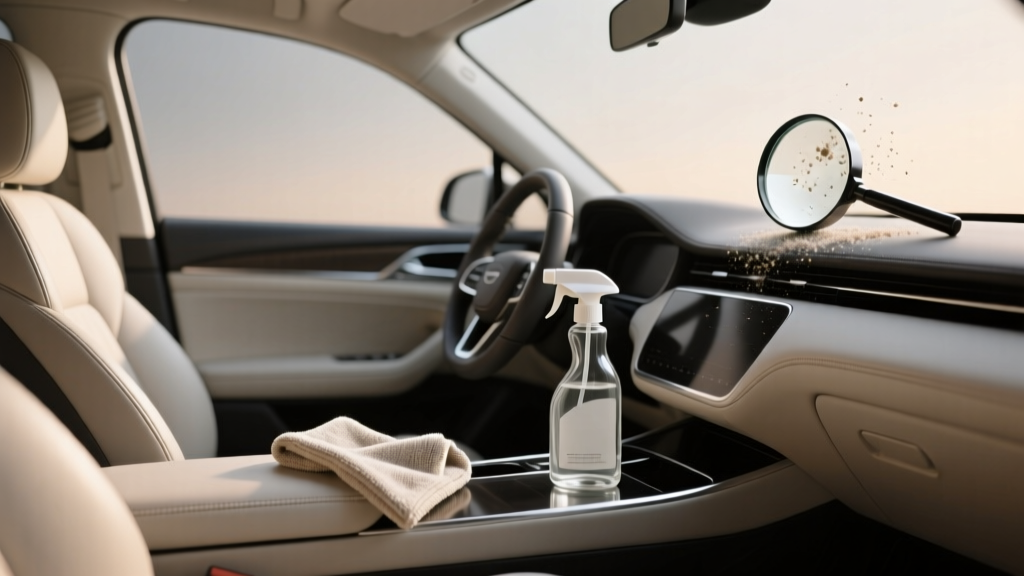
Seasonal Glass Cleaning: Car Interior Protection (2026)
Clean car glass is more than a cosmetic win?it?s a safety upgrade you feel every time the sun hits your windshield at the wrong angle, or when a rainy night turns every oncoming headlight into a starburst. Most drivers clean glass only when it ?looks dirty,? but the truth is that glass problems are seasonal. What?s on your windshield in winter isn?t what?s on it in summer, and the methods that work in mild weather can fail (or even cause damage) when temperatures swing.
This guide breaks down practical, seasonal car glass cleaning methods and protection strategies for your windshield, side windows, rear glass, and mirrors. You?ll learn what to use, what to avoid, and how to keep glass streak-free with better visibility year-round?without turning every wash into an hour-long detailing session.
Whether you?re chasing a crystal-clear interior windshield, fighting spring pollen, or trying to stop winter road film from smearing, you?ll find step-by-step instructions, product recommendations, and real-world tips you can use immediately.
Why Seasonal Glass Care Matters (Safety + Longevity)
Glass gets contaminated in layers. Some are obvious (mud, bugs), while others are invisible until glare reveals them (oil film, off-gassing residue, washer fluid deposits). Seasonal changes accelerate certain problems:
- Winter: road salt, brine, slush, and oily grime build a stubborn film that smears when wiped.
- Spring: pollen sticks to damp glass and mixes with rain, leaving hazy residue.
- Summer: bug splatter bakes on; interior off-gassing increases windshield haze.
- Fall: tree sap and leaf tannins stain glass and compromise wiper performance.
Protecting glass is just as important as cleaning it. A good glass sealant or hydrophobic coating reduces water spotting, boosts wet-weather visibility, and helps wipers glide instead of chatter.
Essential Tools and Products (The Core Kit)
Microfiber Towels: Use the Right Type
- Waffle-weave microfiber: best for glass cleaning and final buffing.
- Low-pile microfiber: good for initial wipe-down, especially on interior glass.
- Dedicated glass towels only: don?t mix with wax/polish towels or you?ll smear oils.
Cleaners and Chemicals
- Automotive glass cleaner (ammonia-free): safe for tinted windows and interior plastics.
- Isopropyl alcohol (IPA) 10?30% diluted: great for degreasing interior haze and prepping for coatings.
- Rinseless wash (at quick detail dilution): useful for light exterior dust and water spots.
- Bug remover / citrus pre-soak: makes summer cleanup faster and safer.
Protection Options (Pick One Style)
- Spray sealants (SiO2-based): easy, good durability (weeks to a few months), beginner-friendly.
- Traditional rain repellents: strong hydrophobic effect; follow instructions carefully to avoid haze.
- Glass coatings (ceramic-style): longest lasting; requires thorough prep and careful application.
Helpful Extras
- Detailing swabs / foam sticks: for corners and defroster lines.
- Clay bar or synthetic clay pad: removes bonded contamination from exterior glass.
- Fine glass polish (optional): for persistent water spots (use as needed).
The Universal Streak-Free Method (Works Any Season)
If you only adopt one routine, make it this. Most streaks come from too much product, dirty towels, or cleaning in hot sun.
Step-by-Step: Exterior Glass
- Work in shade on cool glass. Early morning or late afternoon is ideal.
- Rinse or pre-wet the glass. Use water, rinseless wash, or foam to remove loose grit.
- First pass: clean. Spray glass cleaner onto the towel (not directly onto the glass in windy conditions) and wipe in straight lines.
- Second pass: flip towel and buff. Use a dry waffle-weave towel to remove remaining moisture and haze.
- Check from multiple angles. Step sideways and look across the glass; streaks often hide until you change your view.
Step-by-Step: Interior Glass (The ?Two-Towel + Minimal Product? Rule)
- Lower the windows slightly. This exposes the top edge where grime builds up.
- Use minimal cleaner. Lightly mist the towel, not the glass, to avoid overspray on dashboards and headliners.
- Wipe in a crosshatch pattern. Horizontal then vertical passes ensure full coverage.
- Buff dry immediately. Use a second clean towel to prevent streaking.
- Target high-haze areas. The inside of the windshield (especially near the defroster vents) usually needs one extra pass.
Pro tip: Clean interior glass last. If you dress interior plastics first, airborne silicone or oils can land back on the windshield and create a fresh haze.
Winter Glass Cleaning and Protection (Salt, Slush, and Oily Film)
Winter grime is a mix of salt brine and traffic film. It smears and makes wipers skip, especially when windshield washer fluid is weak or diluted.
Winter Cleaning Method
- Pre-rinse thoroughly. Don?t grind salt into the glass with a dry towel.
- Use a stronger cleaner pass. An ammonia-free automotive glass cleaner works well; for heavy film, follow with a diluted IPA wipe (10?20%).
- Focus on wiper sweep area. That?s where film and micro-debris cause chatter and streaks.
- Clean wiper blades. Wipe the rubber with a damp microfiber, then a light IPA wipe. Replace if cracked or hardened.
Winter Protection Tips
- Apply a hydrophobic sealant before the first freeze. Water beads and rolls off, reducing ice bonding.
- Use winter-rated washer fluid. Cheap fluid can freeze or leave residue that fogs under headlights.
- De-ice smart. Avoid scraping dry glass aggressively?spray de-icer and let it work first.
Real-world example: If your windshield looks ?clean? but oncoming headlights explode into glare on wet roads, you likely have a winter traffic film layer. A quick IPA wipe after cleaning often removes that invisible haze.
Spring Glass Cleaning (Pollen, Rain Spots, and Interior Fogging)
Spring brings pollen that clings to damp glass and dries into a yellow film. You?ll also see more water spotting from frequent showers.
Spring Cleaning Method
- Rinse first. Pollen is fine and dusty?rinsing prevents dragging it around.
- Use a lubricated wipe. A rinseless wash at detail spray dilution works well for light contamination.
- Remove water spots early. If spots persist after normal cleaning, use a dedicated water spot remover or a light glass polish (spot-treat only).
Spring Protection Tips
- Top up your glass sealant. A quick spray sealant application makes spring rains bead and clears faster.
- Cabin air filter check. A clogged filter can contribute to interior fogging and film buildup.
Summer Glass Cleaning (Bugs, Heat, and Interior Windshield Haze)
Summer is when glass cleaning goes wrong most often?hot glass flashes cleaners dry, leaving streaks. Bugs also bake onto the windshield and mirrors.
Summer Cleaning Method
- Cool the surface. Clean in shade. If the glass is hot, rinse it first or wait a few minutes.
- Pre-soak bug splatter. Use a bug remover or citrus pre-cleaner and let it dwell (don?t let it dry).
- Use a dedicated bug sponge or microfiber. Light pressure only; let chemistry do the work.
- Finish with a clean glass towel buff. This prevents baked-on cleaner haze.
Interior Haze: The Summer Special
Heat increases off-gassing from plastics and vinyl, creating a thin oily layer on the inside of the windshield.
- Best fix: Clean with an automotive glass cleaner, then do a follow-up wipe with diluted IPA (10?20%).
- Prevent it: Use a sunshade, park in shade when possible, and avoid oily interior dressings near the dash.
Fall Glass Cleaning (Sap, Leaf Stains, and Wiper Prep)
Fall contamination is sticky and staining?tree sap mist, leaf tannins, and early frost in some climates.
Fall Cleaning Method
- Remove sap safely. Use a tar/sap remover designed for automotive surfaces; apply to a towel and gently wipe. Avoid aggressive scraping.
- Decontaminate exterior glass. Clay the windshield if it feels rough after washing?this restores smoothness for wipers and coatings.
- Prep for winter. Apply your preferred glass protection now so it cures before deep cold arrives.
Product Recommendations and Comparisons (What to Choose)
Glass Cleaner: What Matters Most
- Ammonia-free: safer for tinted windows and interior materials.
- Fast flashing but not too fast: a balanced formula cleans without instantly drying on hot glass.
- Low residue: helps prevent re-streaking when humidity rises.
Protection: Spray Sealant vs. Rain Repellent vs. Glass Coating
- Spray sealant (SiO2): easiest to apply after a wash; great for maintenance and seasonal top-ups.
- Traditional rain repellent: very hydrophobic, excellent for highway driving; can haze if overapplied or not buffed well.
- Glass coating: best durability and clarity when applied correctly; requires deep cleaning/decon and careful curing time.
Practical pick: Most daily drivers do best with a spray sealant every 4?8 weeks and a deeper decontamination + stronger protection application two times per year (spring and fall).
Common Glass Cleaning Mistakes to Avoid
- Cleaning in direct sun on hot glass: causes instant drying and streaks.
- Using household glass cleaners with ammonia: can damage window tint film and dry out interior materials over time.
- Too much product: oversaturation leaves residue that smears and attracts dust.
- Using the wrong towel: plush towels can lint; towels contaminated with wax or dressing will streak.
- Skipping the interior windshield: most glare complaints come from inside haze, not outside dirt.
- Ignoring wipers: old blades and dirty rubber undo even perfect glass cleaning.
- Trying to ?scrub off? contamination: bonded deposits need decon (clay/polish), not elbow grease.
Advanced Tip: Decontamination for Glass That Never Feels Clean
If your windshield feels rough, wipers chatter, or water doesn?t sheet evenly even after cleaning, contamination is bonded to the glass. This is common after winter and in hard-water areas.
Step-by-Step: Exterior Glass Decon
- Wash the car first. Remove loose dirt to avoid scratching.
- Clay the glass. Use clay lubricant (or rinseless wash dilution) and glide a clay bar/pad lightly.
- Wipe and inspect. The surface should feel smoother.
- Spot-treat water spots. Use a glass-safe polish or water spot remover if needed.
- Apply protection. Sealant/coating bonds better to decontaminated glass.
FAQ: Seasonal Glass Cleaning and Protection
How often should I clean my car?s interior windshield?
Most drivers benefit from cleaning the interior windshield every 2?4 weeks. If you park in the sun ?????, vape/smoke, or use shiny interior dressings, you may need weekly touch-ups.
What?s the best way to stop streaks on the windshield?
Use less product, use two dedicated glass towels (one for cleaning, one for buffing), and clean on cool glass. For persistent streaks, follow your cleaner with a light diluted IPA wipe to remove oily residue.
Are hydrophobic coatings safe for wipers and defrosters?
Yes, when applied correctly. Avoid applying thick product on the wiper sweep area without proper buffing, and keep coatings off interior glass. On rear glass, be gentle around defroster lines and avoid abrasive pads.
Why does my windshield look hazy at night even after I clean it?
Night glare usually comes from interior film, micro-residue left by cleaners, or a combination of exterior traffic film and worn wiper blades. Clean the inside with minimal product, do a second towel buff, and clean/replace wipers.
Can I use vinegar to remove water spots on car glass?
Vinegar can help with light mineral deposits, but it?s inconsistent and the smell lingers in the cabin. A dedicated water spot remover or a light glass polish is more reliable for automotive glass, especially for stubborn spotting.
Do I need different products for tinted windows?
The main difference is avoiding ammonia. Choose an ammonia-free automotive glass cleaner and use soft, clean microfiber towels to prevent scratching or damaging tint edges.
Conclusion: A Simple Seasonal Routine You Can Stick With
If you want consistently clear, streak-free glass, build a routine around the seasons instead of reacting when visibility gets bad:
- Weekly or biweekly: quick exterior wipe + interior windshield touch-up (especially in summer).
- Every 4?8 weeks: apply a spray glass sealant for easier cleaning and better wet-weather visibility.
- Spring + Fall: decontaminate exterior glass (clay if needed) and refresh your protection before the next harsh season.
- Anytime: clean and inspect wiper blades?good glass protection can?t overcome bad rubber.
For more practical interior and detailing guides?from windshield haze fixes to smart cabin cleaning routines?explore the latest articles on carinteriormix.com.