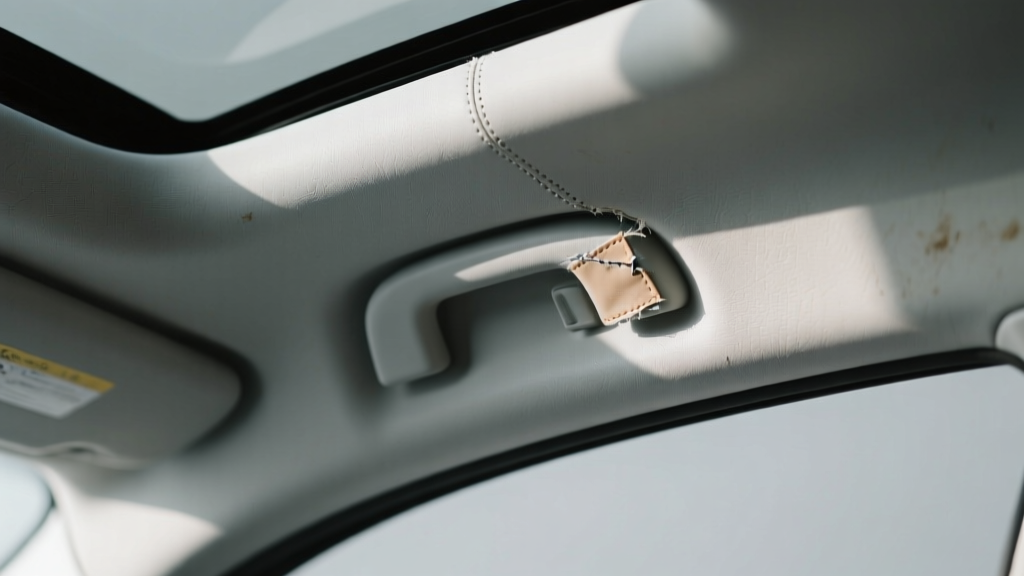
Roof Lining Repair Warranty Coverage (2026)
Headliner (roof lining) problems rarely show up at a convenient time. One day your interior looks factory-fresh; the next, the fabric is sagging over the rear seats, the foam is dusting your shoulders, or a corner near the sun visor won?t stay tucked. If you?ve already read Part 1, you know the basics of what fails and why. Part 2 is about the part that usually decides whether you pay $0, $200, or $1,200: warranty and coverage.
Roof lining repair gets tricky because it sits at the intersection of ?interior trim,? ?water leaks,? ?adhesives,? and sometimes ?safety systems? (side curtain airbags, sunroof drains, overhead electronics). Different warranties treat each of those differently. A dealership might call it ?wear and tear,? an extended warranty company might call it ?trim exclusion,? and your insurance provider might call it ?comprehensive?maybe.? Knowing how these policies work (and how to present your claim) can save you real money and avoid weeks of back-and-forth.
This guide breaks down what?s typically covered, what isn?t, how to document your issue like a pro, and how to choose a repair route that keeps your coverage intact.
What Counts as ?Roof Lining? for Warranty Purposes?
Most policies won?t say ?roof lining? specifically. They?ll describe components that fall under broad categories like interior trim, body hardware, or sunroof assemblies. When you talk to a dealer or warranty administrator, you?ll get better results if you identify the failure in their language.
Common roof-lining related parts and how they?re classified
- Headliner board: Usually ?interior trim.? Often excluded from extended warranties.
- Headliner fabric and foam backing: ?Trim? or ?upholstery,? frequently treated as wear.
- Sunroof cassette, tracks, and motor: Often covered under factory warranty and some extended plans (with exclusions).
- Sunroof drains: Sometimes considered ?maintenance? (cleaning) but damage from a failed drain can trigger coverage debates.
- Overhead console (lights, microphones, switches): Electrical coverage may apply.
- Grab handles, visors, clips: Trim/hardware?coverage varies.
- Side curtain airbags behind the headliner: Safety system?typically covered if there?s a defect, but trim damage caused by an airbag deployment is a separate topic.
Coverage Types: Where Roof Lining Claims Usually Land
1) Factory (Bumper-to-Bumper) Warranty
A factory new-car warranty is generally your best shot for coverage?if you?re within the time/mileage limits and the issue isn?t due to outside influence.
Usually covered:
- Defects in materials or workmanship (early sagging, adhesive failure that appears ?premature?)
- Defective sunroof components that cause water intrusion (when proven)
- Loose trim due to broken factory clips (not caused by prior removal)
Often denied as ?wear/maintenance?:
- Fabric separating due to age/heat after warranty expiration
- Smoke residue, oily contamination, or DIY adhesive mishaps
- Damage from aftermarket electronics installs (dashcams, head units, alarm systems)
2) Certified Pre-Owned (CPO) Warranty
CPO coverage varies by brand. Many plans focus on powertrain and major systems, with limited coverage for trim. If your CPO has a ?comprehensive? tier, you may have a case?especially if the headliner is affected by a covered sunroof leak.
3) Extended Warranty / Vehicle Service Contract (VSC)
Most third-party VSCs are strong on mechanical and weak on interior trim. Roof lining claims get approved more often when you tie them to a covered failure (sunroof motor, drain issue, or a water leak caused by a covered seal failure?depending on contract language).
Tip: Ask for the contract?s exclusions page. Many plans explicitly exclude:
- Upholstery, headliners, carpets
- Adhesives, squeaks/rattles
- Water leaks and wind noise diagnostics
4) Insurance (Comprehensive Coverage)
Insurance won?t cover ?normal sagging,? but it may cover roof liner damage that results from a covered event.
Examples that can qualify under comprehensive:
- Water intrusion after storm damage (if the roof or glass was compromised)
- Rodent damage in the roof area (chewed liner, nesting in headliner)
- Vandalism (cut headliner, damaged sunroof shade)
- Fire/smoke from a covered incident
Watch out: A leaking sunroof drain is often treated as maintenance. If the insurer believes the issue was gradual neglect, they may deny it.
What Warranty Language Should You Look For?
Before you book an appointment, spend 10 minutes reviewing your warranty booklet or VSC contract. The right phrase can make a huge difference when you describe the problem.
Coverage-friendly terms
- ?Defect in materials/workmanship? (use this if the car is relatively new)
- ?Water intrusion from failed seal/component? (if there are stains, dampness, or mold)
- ?Sunroof mechanism failure? (if the sunroof is slow, binds, or won?t close evenly)
- ?Electrical malfunction? (if overhead console is shorting, lights flicker, microphone issues)
Red-flag terms that invite denial
- ?Normal wear,? ?old glue,? ?heat damage,? ?cosmetic? (even if true, don?t lead with it)
- ?I tried to fix it? (DIY attempts can be used as a denial reason)
- ?I removed the trim? (prior disassembly can shift liability to you)
Step-by-Step: How to File a Roof Lining Warranty Claim
If you want the best chance of approval, treat it like a mini investigation: document, describe, and route the issue through the right channel.
Step 1: Confirm your coverage and deadlines
- Check in-service date and mileage (factory warranty) or contract term (VSC).
- Verify deductible amounts and whether pre-authorization is required.
- Look for any clauses about ?trim,? ?water leaks,? or ?maintenance items.?
Step 2: Document the problem clearly (photos + notes)
- Take wide shots showing location (front, mid, rear) and close-ups of separation points.
- Photograph any stains, water tracks, or mold spots.
- Note conditions: after rain, after car wash, after sitting in heat, etc.
- If you hear rattles, record a short video with audio.
Step 3: Check for root causes you can mention (without DIY repairs)
You?re not fixing anything here?you?re collecting clues.
- Feel carpet and pillars for dampness (especially A-pillars and near rear hatch in SUVs).
- Look for water marks around the sunroof opening and sun visor mounts.
- Check if sunroof opens/closes smoothly and seals evenly (don?t force it).
Step 4: Choose the right repair pathway
- Factory warranty/CPO: Start with the dealership service department.
- Extended warranty: Ask which shops are authorized and whether the dealer must diagnose.
- Insurance: File a claim and ask about approved body/interior shops.
Step 5: Present the issue using coverage language
Example wording that?s accurate and coverage-friendly:
- ?The headliner is separating near the sunroof opening and there are visible water stains after rain. I?d like a diagnosis for water intrusion and seal failure.?
- ?The headliner is detaching at the front edge and the overhead console area; the car is within the factory warranty period, and I?m requesting inspection for material/adhesive defect.?
Step 6: Ask for the diagnostic results in writing
If the claim is denied, written findings help you escalate or switch strategies (for example, moving from warranty to insurance if there?s evidence of a covered event).
Real-World Examples: What Gets Approved vs Denied
Example A: Approved under factory warranty
- Vehicle: 2-year-old sedan, 22,000 miles
- Symptoms: Headliner sagging at the windshield edge, no stains
- Result: Dealer submitted as material/adhesive defect; headliner replaced
- Why it worked: Low age/mileage, no evidence of contamination or tampering
Example B: Denied as wear, then partially covered as sunroof repair
- Vehicle: 6-year-old SUV with extended warranty
- Symptoms: Stains near sunroof, intermittent sunroof binding
- Result: Headliner ?trim? denied, but sunroof mechanism repair approved; owner negotiated reduced labor for headliner re-wrap during the same visit
- Why it worked: A covered mechanical failure existed; bundling work reduced total cost
Example C: Insurance claim due to rodents
- Vehicle: Parked seasonally
- Symptoms: Chewed liner near rear dome light, debris and odor
- Result: Comprehensive covered replacement minus deductible
- Why it worked: Clear evidence of a covered event (animal damage)
Repair Options and Product Recommendations (When Warranty Won?t Cover It)
If you?re paying out of pocket, the ?best? option depends on your goals: factory look, budget, or speed. Here are the common paths, with realistic expectations.
Option 1: Professional headliner re-wrap (best value for most cars)
- What it is: Shop removes the headliner board, cleans old foam, applies new foam-backed fabric
- Pros: Near-OE appearance, long-lasting, you can choose upgraded fabric
- Cons: Vehicle downtime (often 1?2 days), requires careful removal
Option 2: OEM headliner replacement (best for like-new restoration)
- Pros: Factory-correct material and fit
- Cons: Can be expensive; availability varies; shipping large panels can be tricky
Option 3: DIY repair (only for small areas or temporary fixes)
DIY can work for minor edge separation, but it?s easy to make things worse. If you do it, use the right materials.
Recommended products (categorized)
- Headliner adhesive (high-heat): 3M Headliner & Fabric Adhesive, 3M Super 90 (use carefully), Permatex Heavy Duty Headliner Adhesive
- Headliner fabric: Foam-backed headliner fabric (most common is 1/8" foam). Choose automotive-rated for heat resistance.
- Cleaning tools: Soft brush, vacuum, plastic trim tools (avoid metal scrapers on the board)
Quick comparison:
- 3M Headliner & Fabric Adhesive: Designed for headliners; better for controlled application.
- 3M Super 90: Very aggressive tack; can bleed through thin fabric if overapplied.
- Permatex Headliner Adhesive: Good balance of price and performance; follow cure times closely.
Common Mistakes That Get Claims Denied (or Repairs That Don?t Last)
- Trying a quick fix before diagnosis: Spraying adhesive through sagging fabric often creates lumps and stains?plus it gives the dealer an easy ?customer-caused? denial.
- Ignoring water intrusion: Re-wrapping a headliner without fixing a sunroof leak or windshield seal means the new fabric can fail again.
- Not getting photos early: Stains can dry and become less visible, making it harder to prove a leak-related cause.
- Using low-temp glue: Craft adhesives and general spray glue can re-melt in summer heat, especially in dark interiors.
- Breaking clips and blaming the warranty: If a shop sees damaged trim from prior removal, they may refuse warranty involvement.
- Skipping written estimates and findings: Without paperwork, you can?t effectively escalate or compare quotes.
How to Negotiate When Coverage Is Partial
Roof lining repairs are often a ?mixed? situation: the root cause might be covered, but the liner material isn?t. You can still reduce your total bill.
- Ask for combined labor pricing: If the headliner must come down for a covered repair (sunroof motor, drain service), request discounted labor for re-wrap at the same time.
- Request goodwill assistance: For near-warranty vehicles with known issues, manufacturers sometimes contribute to the repair.
- Use evidence: Provide photos showing early failure, water trails, or repeated service history.
- Compare specialist quotes: A dedicated upholstery shop may be significantly cheaper than dealer trim replacement.
FAQ: Roof Lining Warranty and Coverage
Does a bumper-to-bumper warranty cover headliner sagging?
Sometimes. If the vehicle is within the warranty period and the sagging is judged to be a defect (not age, contamination, or prior repair), it may be covered. If the dealer calls it wear-and-tear, ask what evidence led to that decision and request it in writing.
Will an extended warranty pay for a headliner re-wrap?
Most extended warranties exclude upholstery and trim, including headliners. You have a better chance if the headliner damage is directly tied to a covered failure (like a sunroof mechanism problem) and the contract doesn?t exclude consequential damage.
If a sunroof leak stains the headliner, is that covered?
It depends on what caused the leak. A failed seal or component might be covered under factory warranty, while clogged drains are often considered maintenance. Insurance may cover sudden damage from a covered event, but not gradual seepage.
Can I repair it myself and still keep warranty coverage?
You can, but it?s risky. A DIY repair can complicate future claims if the dealer argues the original condition was altered. If you?re within factory warranty or CPO coverage, get a diagnosis first.
What should I do if my claim is denied?
Ask for the denial reason in writing, request the specific policy clause used, and escalate through the service manager or warranty administrator. If there?s evidence of water intrusion or another covered event, consider whether an insurance claim or a specialist repair quote makes more sense.
Next Steps: Get the Outcome You Want
If your roof lining is failing, don?t start with spray glue. Start with a plan:
- Confirm your warranty type (factory, CPO, extended, insurance) and any trim exclusions.
- Document everything with photos, videos, and notes about when it happens.
- Check for leak clues so you can describe the issue accurately.
- Book a diagnosis with the right shop (dealer for warranty, approved facility for VSC/insurance).
- Compare repair paths (OEM replacement vs professional re-wrap) if coverage doesn?t apply.
If you want more practical, owner-focused interior advice?adhesives, headliner materials, sunroof leak checks, and trim care?explore our other guides on carinteriormix.com. We?re building a library to help you keep your cabin looking as good as it drives.