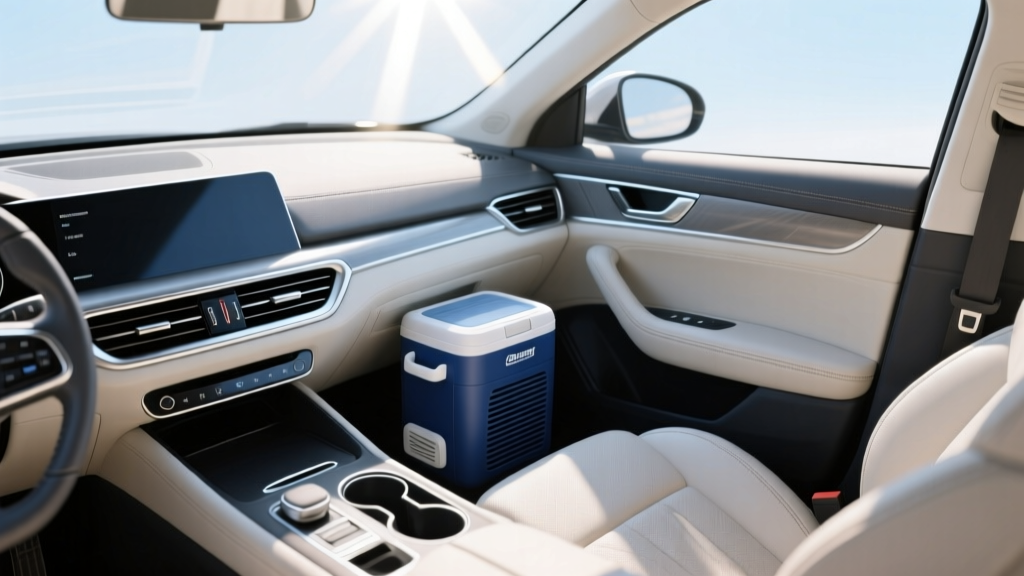
Summer Cooling Setup Upgrade: Car Interior Mix (2026)
Summer heat can turn a parked car into an oven fast. Even with factory air conditioning, that first blast of hot air, sweaty seats, and sun-baked steering wheel can make driving miserable?and it?s not just about comfort. Excess heat accelerates interior wear, cracks leather and vinyl, fades plastics, and can shorten the lifespan of in-cabin electronics.
A ?professional? summer cooling setup isn?t one single gadget. It?s a system: reducing heat load before it enters the cabin, improving airflow and AC efficiency, and protecting the surfaces you touch every day. The payoff is immediate (cooler cabin, faster cooldown) and long-term (better interior condition and fewer HVAC issues).
This guide walks you through practical, real-world upgrades?ranging from quick wins like sun shades to deeper improvements like ceramic window tint and HVAC maintenance. You?ll also get step-by-step instructions, product comparisons, common mistakes to avoid, and a short checklist you can follow before the next heat wave.
How Cabin Heat Builds Up (and Why Your AC Feels Weak)
Your car heats up from three main sources:
- Solar radiation through glass (especially the windshield): sunlight turns into heat once it hits your dashboard and seats.
- Heat soak from metal and body panels: the roof, doors, and floor radiate heat inward after baking in the sun.
- Humidity and restricted airflow: humid air feels hotter, and a clogged cabin filter or dirty evaporator slows cooling.
Real-world example: If your car sits outside at work, your dashboard can become a heat reservoir. Even after the AC starts blowing cold, that dashboard and windshield area continues radiating heat for several minutes?making it feel like the AC ?isn?t doing anything.? The upgrades below focus on reducing that incoming and stored heat so your HVAC system doesn?t have to fight as hard.
Build Your Summer Cooling Setup: The Upgrade Stack
The best approach is to stack upgrades from outside-in. Start with blocking heat, then improve airflow, then protect interior touchpoints.
Upgrade 1: High-Quality Windshield Sun Shade (Fastest ROI)
A good sun shade reduces the greenhouse effect immediately and protects dashboards and infotainment screens from UV exposure.
What to look for
- Exact-fit or near-exact fit: coverage matters more than reflective material alone.
- Dual-layer construction: reflective outer layer + insulating core performs better.
- Easy deployment: if it?s annoying to use, you won?t use it daily.
Step-by-step: Proper sun shade use
- Park with the windshield angled away from direct sun when possible.
- Pop the shade fully open and press it into the corners of the windshield.
- Flip your sun visors down to hold the shade tight against the glass.
- Crack your windows slightly (if safe and permitted) to vent heat buildup.
Product comparison: accordion vs. roll-up vs. custom-fit
- Accordion fold (common): inexpensive, decent performance; may leave gaps on larger windshields.
- Roll-up: compact storage, easy to stow; performance varies by material thickness.
- Custom-fit: best coverage and performance; higher cost but most ?set-and-forget? friendly.
Upgrade 2: Ceramic Window Tint for Heat Rejection (The Pro Move)
If you want a noticeable drop in cabin temperature and faster cooldown, ceramic window tint is one of the most effective upgrades. Unlike dyed tint (mostly cosmetic), ceramic films are designed to reject infrared heat while maintaining visibility.
Choosing the right tint type
- Dyed film: budget-friendly, reduces glare; limited heat rejection.
- Carbon film: better heat performance and fade resistance than dyed.
- Ceramic film: top-tier heat rejection, clearer optics, best comfort improvement.
What to ask a tint shop (so you get the results you expect)
- IR rejection and TSER ratings: higher generally means cooler cabin (ask for spec sheets).
- Windshield options: a clear or very light ceramic film can reduce heat without making it dark (legal rules vary).
- Warranty and film brand: reputable brands back adhesive and clarity for years.
Tip: If your budget is limited, prioritize windshield (if legal) and front side windows first. That?s where most heat and glare hit you directly while driving.
Upgrade 3: Ventilation Strategy (Before You Even Turn On the AC)
Many drivers blast the AC immediately?while the cabin is still full of superheated air. A 30?60 second venting routine can speed cooling and reduce strain on your AC system.
Step-by-step: The ?hot air purge? routine
- Start the car and roll down all windows (or at least two opposite windows).
- Set the HVAC to fresh air (not recirculation) for 30?60 seconds.
- Turn the fan to medium-high, temperature to cold.
- After the hottest air is expelled, close windows and switch to recirculation for maximum cooling.
Real-world result: This routine often makes the cabin feel comfortable 1?3 minutes sooner, especially after a long park in direct sun.
Upgrade 4: Cabin Air Filter + HVAC Clean-Up (Often Overlooked)
If airflow is weak or musty, your AC can?t do its job. A clogged cabin air filter restricts airflow, and a dirty evaporator can contribute to odor and reduced efficiency.
Step-by-step: Replacing a cabin air filter
- Check your owner?s manual for the filter location (commonly behind the glovebox or under the cowl).
- Buy the correct size filter. Choose:
- Standard for airflow and value
- Activated carbon for odor and pollution control
- Remove the access cover and slide out the old filter.
- Install the new filter in the correct airflow direction (look for arrows).
- Run the fan on high for a minute to confirm strong airflow.
Optional: HVAC odor treatment
- Use an evaporator-safe HVAC cleaner if you notice a musty smell when the AC starts.
- If odor returns quickly, the evaporator drain may be restricted?worth checking at a shop.
Upgrade 5: Seat and Steering Wheel Cooling Tactics
Even if the air is cold, your body still feels hot if you?re sitting on heat-soaked surfaces. This is where interior-specific upgrades shine.
Practical upgrades that actually help
- Breathable seat covers (mesh or moisture-wicking fabrics): reduce ?stuck to the seat? feeling.
- Light-colored towels or seat liners when parked: a simple trick that keeps surfaces cooler.
- Steering wheel cover (heat-resistant): helps, but choose one that doesn?t get slippery.
- Sun-blocking windshield visor + dash cover: reduces radiant heat off the dash and wheel.
Product recommendation guidance: what to choose
- Mesh seat covers: best for airflow, great for cloth interiors.
- Perforated faux-leather covers: easier to wipe clean; can still heat up if left in sun.
- Natural fiber (cotton/linen blends): comfortable in heat; may stain more easily.
Tip: If you have leather seats, a quality leather conditioner with UV protectants can reduce drying and cracking over the summer.
Upgrade 6: Smart Parking Choices and Micro-Habits
Small decisions stack into real temperature differences.
- Shade strategy: park so the sun hits the rear of the car instead of the windshield when possible.
- Use a windshield shade every time: consistency beats ?sometimes.?
- Crack windows slightly (only where safe/legal): reduces peak cabin temps.
- Use remote start wisely: start with fresh air for a short purge, then switch to recirculation.
Recommended ?Cooling Setup Packages? by Budget
Budget Setup (quick comfort boost)
- Exact-fit windshield sun shade
- Cabin air filter replacement (standard or carbon)
- Simple venting routine + recirculation technique
Mid-Range Setup (noticeably cooler cabin)
- Ceramic tint on front side windows + quality tint on rears (as desired)
- Custom windshield sun shade
- Mesh seat cover or breathable seat liner
- Carbon cabin filter
Premium Setup (closest to ?professional? daily comfort)
- Ceramic tint all around + legal light windshield ceramic film (where allowed)
- Custom sun shades (windshield + side windows for long parking)
- HVAC inspection/cleaning if airflow or performance is questionable
- Interior UV protection plan (dash protectant, leather care, screen-safe cleaners)
Common Mistakes to Avoid
- Running recirculation immediately with a heat-soaked cabin: you?re recirculating oven air. Purge first.
- Buying the darkest tint instead of the best film: quality ceramic film at a legal shade often outperforms cheap dark film.
- Ignoring the cabin air filter: restricted airflow makes any AC feel weak.
- Using oily dashboard dressings: they can increase glare and attract dust; choose UV protectants with a low-sheen finish.
- Leaving reflective shades touching hot glass for long periods without proper fit: poor fit means heat leaks around edges.
- Overlooking safety/legal rules: tint laws vary by state/country; check regulations before installing.
Step-by-Step: Your 30-Minute Summer Cooling Upgrade Checklist
- Install and test your sun shade (make sure it seals edges well).
- Replace the cabin air filter and confirm stronger airflow.
- Clean interior glass (inside and out) to reduce haze and improve tint performance and visibility.
- Set your HVAC defaults: know where your recirculation button is and use the purge routine.
- Add a seat/steering wheel strategy: breathable cover, towel, or shaded parking habit.
- Plan tint: get quotes for ceramic film and decide on priority windows.
FAQ: Professional Summer Cooling Setup Upgrades
1) Does ceramic tint really make a difference, or is it mostly marketing?
It makes a real difference when you choose a reputable film and installer. Ceramic tint is designed for infrared heat rejection, which is what you feel as ?burning? sun heat through glass. Many drivers notice faster cooldown and less AC blasting on sunny days.
2) Should I use recirculation all the time in summer?
Use fresh air briefly to purge the hottest cabin air first, then switch to recirculation once the cabin starts cooling. Recirculation is usually the fastest way to maintain low temps after the initial purge.
3) What?s the single best upgrade if I can only pick one?
A well-fitting windshield sun shade is the best one-item upgrade for the money. If you?re ready to spend more for a bigger change, ceramic window tint is the next leap.
4) Why does my AC smell bad when I start the car?
That musty smell is often bacteria/mildew on the evaporator core, especially in humid climates. Replacing the cabin filter helps, and an evaporator-safe HVAC cleaner can reduce odors. If it persists, have the drain and evaporator checked.
5) Are ventilated seat covers worth it if my car doesn?t have factory ventilated seats?
They can help with comfort by improving airflow and reducing heat retention against your back. Mesh-style covers work best. Avoid thick, non-breathable covers that can trap heat and feel hotter than the original upholstery.
6) Can cracking windows damage anything or invite problems?
It can reduce heat buildup, but only do it when it?s safe and legal. In dusty or rainy conditions it can dirty the interior, and in some areas it increases theft risk. If you can?t crack windows, lean harder on sun shades and tint.
Next Steps: Upgrade Smart, Stay Cool
Start with the upgrades that deliver the biggest comfort gains per dollar: a great windshield sun shade, a fresh cabin air filter, and a better venting routine. Then move into ceramic window tint and breathable interior accessories for a setup that feels genuinely ?pro? every time you open the door.
If you want to keep building your interior comfort system, explore more practical guides, comparisons, and care tips at carinteriormix.com.