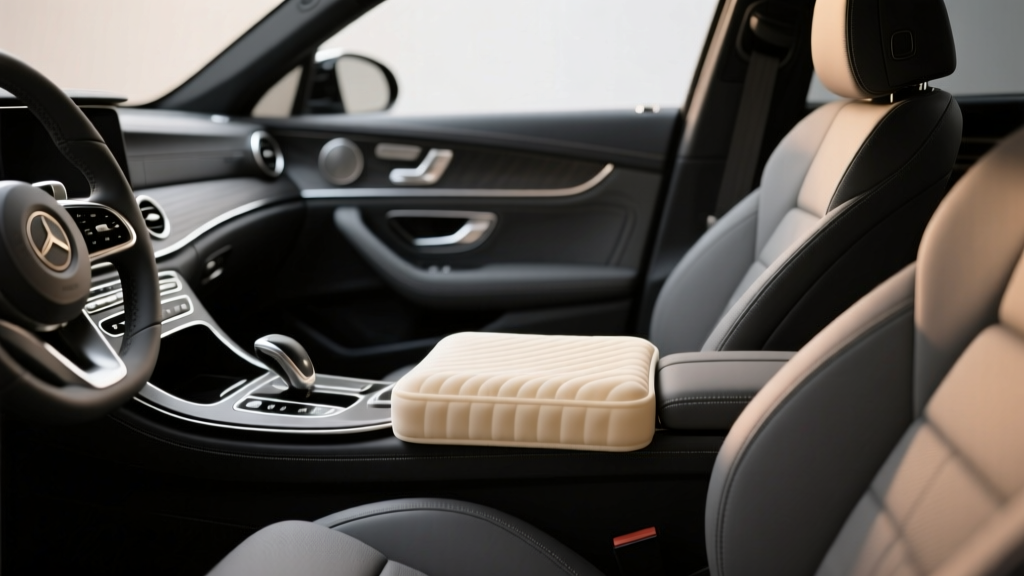
Memory Foam Car Seat Upgrade (2026)
If your daily drive leaves you shifting around, dealing with numb legs, or arriving with a sore back, the problem often isn?t your suspension?it?s the seat. Factory seats are built to hit a price point and satisfy the ?average? driver. But comfort is personal: body type, posture, commute length, and even the clothes you wear change how a seat feels. A well-planned memory foam addition can transform a seat from ?fine? to genuinely supportive.
Memory foam upgrades aren?t just about softness. Done correctly, they can improve pressure distribution, reduce fatigue on long trips, and help you maintain a healthier driving posture. Done poorly, they can raise your seating position too much, compromise side airbag deployment paths, or create a hot, sweaty surface that?s miserable in summer.
This guide breaks down the right way to add memory foam to your car seat?whether you want a simple cushion upgrade, a more integrated ?under the cover? approach, or targeted support for lumbar and thighs. You?ll get step-by-step instructions, product comparisons, practical tips from real-world installs, and mistakes to avoid so the upgrade feels factory-clean rather than DIY bulky.
Why Add Memory Foam to Your Car Seats?
Key benefits for real drivers
- Pressure relief: Memory foam conforms to your shape and spreads load across a larger surface area, reducing ?hot spots? under sit bones and thighs.
- Better posture support: Targeted foam placement can support lumbar curvature and help keep your pelvis neutral, reducing slouching.
- Less fatigue on long drives: Better support means fewer micro-adjustments and less muscle tension.
- Cost-effective comfort upgrade: A $30?$150 foam solution can meaningfully improve comfort compared to replacing seats.
- Customizable feel: You can tune firmness, thickness, and placement based on your body and seat shape.
When memory foam is the right choice (and when it isn?t)
- Great for: Long commutes, rideshare drivers, road trips, firm factory seats, mild lower-back discomfort due to poor support.
- Not ideal for: Aggressive track driving (you may want firmer bolsters), extremely hot climates without breathable covers, or seats with damaged frames/springs (fix the seat structure first).
Understanding Foam Types: Memory Foam vs. Other Options
?Memory foam? is often used as a catch-all term, but not all foam behaves the same in a vehicle. Heat, humidity, and constant compression change how it performs over time.
Common foam options for car seat comfort
- Memory foam (viscoelastic): Slow response, contouring feel, strong pressure relief. Can trap heat if not ventilated.
- High-resilience (HR) polyurethane foam: Faster response, springier, holds shape well. Great as a base layer under memory foam.
- Gel-infused memory foam: Slightly cooler feel initially, but cooling depends heavily on cover material and airflow.
- Latex foam: Breathable and responsive, typically more expensive. Excellent durability and temperature stability.
Best ?stack? for most drivers
For a seat cushion upgrade that doesn?t feel mushy, a layered approach works well:
- Base layer (support): 0.5?1.0 inch HR foam
- Top layer (comfort): 0.5?1.5 inch memory foam
This combination prevents the ?sinkhole? feeling while still giving you the contouring benefit.
Planning Your Upgrade: Measure, Identify Pain Points, Set Goals
Step 1: Identify what you want to fix
Use a short checklist after a normal drive:
- Do your thighs feel pressure near the front edge? (Seat pan angle/length issue)
- Does your tailbone hurt? (Seat too firm or bottoming out)
- Do you get lower-back soreness? (Lumbar support and pelvic tilt)
- Do you feel like you?re sliding forward? (Seat contour and friction)
- Are you too high or too close to the headliner after adding a cushion? (Thickness selection)
Step 2: Measure available space
- Seat-to-headliner clearance: Especially important for taller drivers; even 1 inch can be a deal breaker.
- Steering wheel and pedal reach: A thicker cushion changes hip height and knee angle.
- Seat cover tightness: Integrated foam under the upholstery needs room or it can bunch.
Step 3: Decide your upgrade style
- Option A: Removable cushion (easiest): Best for quick improvements and sharing between vehicles.
- Option B: Semi-integrated (under a seat cover): Cleaner look, stable positioning, still reversible.
- Option C: Integrated foam under factory upholstery: Most OEM-like, but higher risk and labor; consider professional help if airbags are involved.
Step-by-Step: Installing a Removable Memory Foam Seat Cushion
This is the best starting point for most car owners because it?s low-risk and easy to fine-tune.
What you?ll need
- Memory foam seat cushion (0.8?2.0 inches thick depending on height needs)
- Non-slip mat (optional but helpful)
- Straps or buckle system (many cushions include these)
- Breathable cover or towel (optional for hot climates)
Installation steps
- Clean the seat surface: Wipe the seat bottom with a damp microfiber to remove dust and oils. This helps prevent sliding.
- Test position before strapping: Sit on the cushion and check:
- Do your hips feel level?
- Are your knees slightly lower than your hips (comfortable for many drivers)?
- Do you still have proper headroom and mirror sightlines?
- Secure it: Use the cushion straps around the seat back/bottom if available. If it still shifts, add a thin non-slip mat underneath.
- Adjust seat settings: After adding foam, re-set:
- Seat height and tilt
- Seat depth (if equipped)
- Lumbar support
- Steering wheel telescoping/reach
- Drive-test and refine: Take a 20?30 minute drive. If you feel perched too high, switch to a thinner cushion or choose a contoured model with a lower center profile.
Real-world example
A common scenario: a driver with a 45-minute commute feels tailbone soreness in a firm compact SUV seat. A 1.5-inch contoured memory foam cushion helps, but raises them too high, causing headroom issues. Switching to a 1-inch cushion with a cutout tailbone channel keeps the pressure relief while maintaining head clearance.
Step-by-Step: Adding Memory Foam Under a Seat Cover (Clean Look, Better Stability)
If you want a more factory-like appearance without opening factory upholstery, this approach is a sweet spot.
What you?ll need
- A quality seat cover (snug fit, airbag-compatible if it covers the seat back)
- Memory foam sheet (typically 0.5?1.0 inch)
- Scissors or an electric carving knife (for clean cuts)
- Chalk or a marker for tracing
- Spray adhesive (optional; use lightly and avoid permanent bonding)
Installation steps
- Remove the headrest and loosen the seat cover placement so you can access the seat bottom area.
- Create a template: Trace the seat bottom shape onto paper or directly onto the foam sheet. Keep it slightly smaller than the seat perimeter to avoid bunching.
- Cut and test-fit: Place foam on the seat, then pull the seat cover over it. Sit down and check for wrinkles, sliding, or pressure points.
- Secure (optional): If the foam shifts, use a tiny amount of spray adhesive between the foam and the seat cover interior?not on leather or delicate upholstery. Many installs work fine without adhesive if the cover fits snugly.
- Reassemble and road-test: Reinstall the headrest and verify that seat controls and seat belt buckles remain unobstructed.
Product Recommendations and What to Look For
Rather than focusing on one brand (stock changes often), shop by features and build quality. Here?s what typically separates a comfortable upgrade from a regret purchase.
Seat cushion features worth paying for
- Contoured shape: Supports thighs and keeps you centered.
- Coccyx cutout: Helps tailbone pressure for sensitive drivers.
- Non-slip bottom + straps: Stability matters more than you?d think.
- Breathable cover: Look for mesh panels or moisture-wicking fabric.
- Dual-layer construction: HR foam base + memory foam top is a premium feel.
Quick comparison: common cushion styles
- Flat memory foam pad: Budget-friendly, but can feel like a ?booster? and slide around.
- Contoured ergonomic cushion: Best overall for daily driving; usually includes straps and shaped support.
- Gel + memory foam cushion: Good for heat management if paired with a breathable cover; gel alone won?t solve a poor seat shape.
- Lumbar memory foam pillow: Great add-on if your seat lacks lumbar support; choose one with adjustable straps and moderate thickness.
Professional Tips for a More OEM-Like Result
- Start thinner than you think: Many drivers overbuy thickness. A 0.8?1.2 inch upgrade often feels more natural than 2 inches.
- Use foam to change shape, not just softness: A small wedge under the front third of the cushion can support thighs and reduce sliding?without adding much height.
- Balance lumbar and seat bottom changes: Raising hips often changes how your back meets the seat. Re-tune lumbar after every change.
- Keep the seat belt path clear: Anything that interferes with buckles or belt tension is a no-go.
- Heat management matters: In warm climates, pair memory foam with a breathable cover or consider ventilated seat pads designed for airflow.
Common Mistakes to Avoid
- Going too thick: Excess height can reduce headroom, alter airbag geometry, and change pedal feel.
- Blocking side airbag deployment zones: If your seat has side airbags, avoid bulky covers or foam placement on the outer seat back area. Use airbag-compatible seat covers.
- Creating an unstable seating surface: A cushion that slides can affect control confidence. Always secure it with straps or a non-slip base.
- Ignoring posture alignment: Comfort isn?t only softness. If your hips tilt backward, you?ll still slouch?sometimes worse than before.
- Using cheap foam that collapses quickly: Low-density foam flattens in weeks, leaving you right back where you started.
- Permanent adhesives on premium interiors: Strong glue can damage leather, leave residue, and complicate future cleaning or resale.
FAQ: Memory Foam Car Seat Upgrades
Will a memory foam cushion make me sit too high?
It can. If you?re tall or already near the headliner, start with a 0.8?1.0 inch contoured cushion rather than a thick flat pad. Test your headroom, mirror alignment, and comfort before committing to a thicker option.
Is memory foam safe with heated seats?
Usually yes, but it depends on the cushion materials and manufacturer guidance. Heated seats will warm memory foam, which can make it feel softer. Avoid cushions with unknown plastics that could degrade with heat, and don?t use anything that blocks ventilation if your seats are ventilated.
Can I put memory foam under the factory upholstery?
It?s possible, but it?s the highest-risk approach?especially with seats that have integrated airbags, occupancy sensors, or complex upholstery attachments. If you?re not experienced with seat trim work, a removable cushion or under-seat-cover method is safer and easier to reverse.
What?s better for lower back pain: seat cushion or lumbar pillow?
Many drivers benefit from both, but in the right proportions. If your hips sink too much, start with a supportive seat bottom solution first. If your seat lacks lumbar contour, add a modest lumbar pillow with straps and adjust it to hit the natural curve of your lower back.
How do I stop my cushion from sliding?
Look for a cushion with straps and a grippy bottom. If it still moves, add a thin non-slip mat (the kind used under rugs) between the cushion and seat. Make sure nothing interferes with seat controls or belt buckles.
How long does a good memory foam car cushion last?
A quality cushion with decent foam density can last 1?3+ years of daily use. If you notice flattening, uneven support, or new pressure points, it?s usually a sign the foam has fatigued and it?s time to replace or re-layer it.
Conclusion: Your Next Steps for a Better Seat Feel
A memory foam addition upgrade can be one of the most satisfying car interior comfort mods because it directly affects every drive. The best results come from choosing the right thickness, securing the cushion properly, and tuning your seat settings afterward so posture and reach stay dialed in.
Actionable next steps:
- Do a quick comfort audit on your next drive (tailbone, thighs, lumbar, sliding).
- Start with a removable contoured cushion in the 0.8?1.2 inch range if you?re unsure.
- Add a lumbar pillow only after your seat bottom height and tilt feel right.
- Prioritize stability and breathability so the upgrade feels factory-clean, not like a loose pad.
For more practical, hands-on car interior upgrades?comfort, cleaning, materials, and trim care?explore the latest guides on carinteriormix.com.