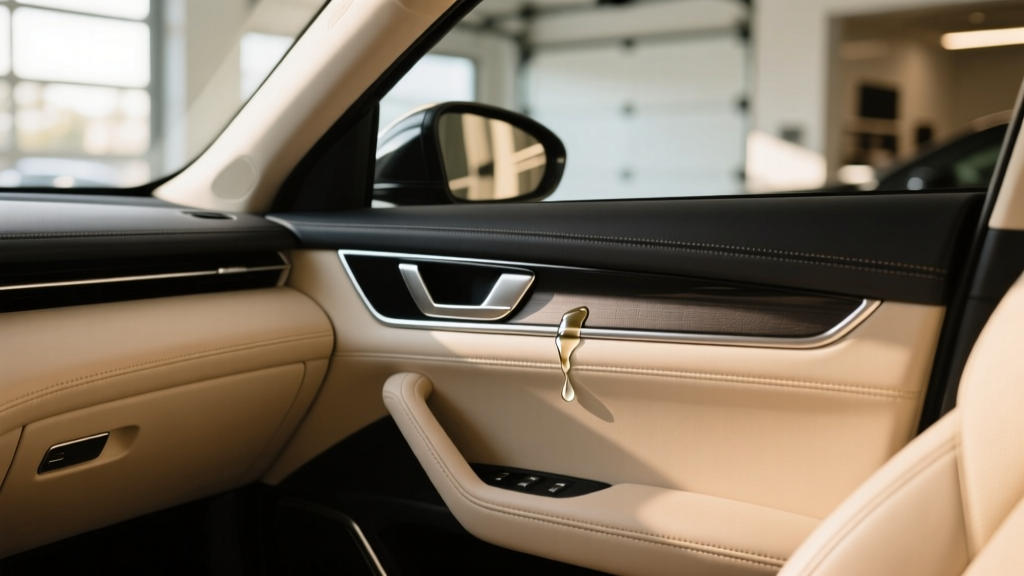
Car Interior Fading Prevention Tips (2026)
Nothing makes a car feel ?old? faster than a faded interior. A once-rich black dash turns chalky gray, door panels lose their depth, and leather seats start looking dry and tired. Beyond looks, fading is usually a sign of material breakdown?UV exposure, heat cycling, and chemical wear slowly weaken plastics, vinyl, leather coatings, and fabrics.
The good news: preventing interior fading isn?t complicated, but it does require a plan. This guide walks you through professional-level fading prevention tips and smart upgrades that keep your cabin looking newer for longer. You?ll learn what actually causes fading, how to protect each surface type, which products and tools are worth it, and the common mistakes that quietly do the most damage.
Whether you daily-drive a family SUV or baby a weekend coupe, these steps will help preserve resale value and keep your interior comfortable, clean, and consistent in color.
What Causes Interior Fading (and Why Some Cars Fade Faster)
Fading is usually the combined effect of UV radiation, heat, oxidation, and abrasive cleaning habits. The sun is the main offender, especially through the windshield where UV and infrared energy concentrate.
The Big Four Fade Triggers
- UV exposure: Breaks down dyes and polymers in plastics, vinyl, and leather topcoats.
- Heat cycling: Repeated heating/cooling dries materials and speeds oxidation.
- Chemical stress: Harsh cleaners, solvents, and alcohol-heavy wipes strip protectants.
- Abrasion: Dust acts like sandpaper; dry wiping scuffs matte finishes and soft-touch coatings.
Real-world example: the ?sun stripe? dash
If you?ve ever seen a dash with a lighter band across the top, that?s often where sunlight hits most aggressively through the windshield. Cars parked facing the same direction every day?especially outdoors?tend to fade unevenly because the sun path repeats.
Build Your Fading Prevention Game Plan
Professionals use a layered approach: reduce UV load, add physical barriers, and maintain a protective film on vulnerable surfaces. Think of it as ?block, shield, maintain.?
Upgrade Path Overview
- Control exposure: Parking choices, windshield shade, garage habits.
- Upgrade UV barriers: Window tint, UV-blocking glass film.
- Surface protection: Interior protectants, leather conditioners (when appropriate).
- Maintenance routine: Gentle cleaning + reapplication schedule.
Step-by-Step: Professional Fading Prevention Routine (Weekly to Quarterly)
Step 1: Safe dry removal (2?3 minutes)
Dust is a hidden enemy. It dulls surfaces and creates micro-scratches during wiping.
- Use a soft microfiber towel or microfiber duster.
- For vents and seams, use a soft detailing brush.
- Avoid paper towels (they can be surprisingly abrasive on plastics and screens).
Step 2: Gentle cleaning (as needed)
Choose cleaners that match the surface type. ?All-purpose? often means ?too strong for something.?
- Plastic/vinyl: Interior cleaner that leaves no greasy residue.
- Leather: Dedicated leather cleaner (especially for coated automotive leather).
- Fabric/Alcantara: Fabric-safe cleaner; minimal liquid for suede-like materials.
Technique tip: Spray product onto the towel, not directly onto the dash, to prevent overspray on glass and infotainment screens.
Step 3: Apply UV protection (monthly or every 6?10 weeks)
This is where most interiors either stay fresh or slowly fade. A quality interior protectant adds UV inhibitors and a sacrificial layer that takes the hit before your material does.
- Work in the shade with cool surfaces.
- Apply a small amount to a microfiber applicator or towel.
- Spread evenly across dash, door tops, console sides, and rear deck.
- Buff lightly to a natural finish (avoid greasy shine that attracts dust).
Step 4: Leather care that matches modern leather (every 2?4 months)
Most automotive leather is coated (pigmented) leather, meaning you?re maintaining a protective top layer more than ?feeding? raw hide. The goal is to clean gently and keep it supple without making it slick.
- Clean with a leather-safe cleaner.
- Use a light conditioner or leather protectant designed for coated leather.
- Focus on high-wear areas: driver bolster, seat base, steering wheel (use minimal product here).
Step 5: Don?t forget the ?fade hotspots? (quarterly check)
- Top of dashboard
- Door panel armrests and window sills
- Rear parcel shelf (sedans)
- Convertible rear trim and tonneau areas
- Steering wheel and shift knob (UV + skin oils)
High-Impact Upgrades That Prevent Fading
1) Windshield sunshade: the simple upgrade that works
A properly fitted windshield sunshade can dramatically reduce UV and heat soak. If you park outside at work, this is one of the best cost-to-benefit upgrades you can make.
- Best for: Anyone parking outdoors or in direct sunlight.
- What to look for: Vehicle-specific fit, reflective outer layer, stiff edges that seal gaps.
- Pro tip: Fold it the same way every time to avoid warping and poor fit.
2) Ceramic window tint or high-quality UV film
Window tint isn?t just for looks. Quality films block a significant portion of UV and reduce heat (infrared), which slows material breakdown. Even clear UV films can help if you don?t want darker glass.
- Dyed film: Budget-friendly, but less heat rejection and can fade over time.
- Carbon film: Better stability, good performance at mid-range cost.
- Ceramic film: Top-tier heat rejection and UV protection; great for dash and leather longevity.
Note: Always check local tint laws. If you?re unsure, a reputable tint shop will recommend a compliant film combination.
3) Dashboard cover or dash mat (for extreme sun)
If you live in a high-UV climate (Arizona, Nevada, Florida, Southern California), a dash cover can be a practical ?physical shield? that prevents the classic cracked/faded dash look.
- Pros: Strong UV barrier, reduces glare, helps prevent cracking.
- Cons: Not everyone likes the look; can interfere with some defroster vents if poorly fitted.
- Recommendation: Choose a custom-fit mat with cutouts for sensors and vents.
4) Seat covers that don?t ruin your interior
Seat covers can prevent fading and abrasion, but only if they fit properly and breathe. Cheap covers can trap heat and moisture, causing wear and discoloration underneath.
- Great use case: Work trucks, beach lifestyles, kids/pets, or frequent sun exposure.
- Look for: Airbag-compatible design, tight fit, breathable material, colorfast fabric.
Product Recommendations (What?s Worth Buying)
Below are category recommendations rather than one ?magic brand,? because the best choice depends on your finish preference (matte vs satin), material type, and climate.
Interior UV protectants (dash, vinyl, plastic)
- Matte/natural finish protectant: Ideal for modern OEM interiors; reduces glare and dust attraction.
- Satin protectant: Adds a subtle richness without the slippery shine of old-school dressings.
- Avoid: Oily silicone-heavy dressings that look glossy and can outgas onto glass (creating haze).
Leather cleaners and protectants
- pH-balanced leather cleaner: Helps remove body oils and dye transfer without stripping coatings.
- Leather protectant/cream for coated leather: Adds a protective layer and helps reduce friction wear.
- Avoid: Heavy ?conditioners? that leave seats slick or overly shiny?these can attract grime and accelerate wear.
Tools that make a real difference
- Microfiber towels: Keep separate towels for glass, interior plastics, and leather.
- Soft interior brush set: For seams, vents, and textured plastics.
- Detailing vacuum attachments: Prevents rubbing grit into surfaces during wiping.
- Windshield sunshade: High ROI for fading prevention.
Climate-Based Strategies (Because Arizona Isn?t Oregon)
Hot, high-UV climates
- Prioritize ceramic tint or clear UV film.
- Use a windshield sunshade daily, even for short stops.
- Reapply interior UV protectant more often (every 4?6 weeks).
Humid climates
- Choose breathable seat covers if you use them.
- Watch for sticky residues?use non-greasy protectants to reduce dust buildup.
- Keep windows clean; grime can increase heat absorption.
Cold climates with big temperature swings
- Protectant helps reduce drying from heater use.
- Avoid blasting heat directly at one spot on the dash for long periods.
- Use gentle cleaners?winter grime can tempt people into harsh chemicals.
Common Mistakes That Cause Fading (Even When You?re Trying to Prevent It)
- Using household cleaners: Ammonia, bleach, and strong degreasers can discolor plastics and weaken coatings.
- Over-shining the dashboard: Greasy dressings attract dust, increase glare, and can haze your windshield.
- Dry wiping dusty surfaces: Creates micro-scratches that make plastics look cloudy and ?faded.?
- Ignoring the rear deck: Sedans fade here fast because sunlight pours through the rear glass.
- Skipping maintenance after tint: Tint reduces UV load, but surfaces still benefit from periodic protection.
- Parking the same direction every day: One side of your cabin can fade faster; rotate when possible.
Real-World ?Upgrade Scenarios? You Can Copy
Scenario A: Apartment parking, no garage
- Daily windshield sunshade
- Carbon or ceramic tint (even a clear UV film helps)
- Matte UV protectant on dash/door tops every 4?6 weeks
- Quick dusting twice a week to avoid abrasive wipe marks
Scenario B: Weekend enthusiast car with premium leather
- Park indoors whenever possible
- Use a sunshade during shows or outdoor meets
- Leather clean/protect every 2?3 months (more often for light-colored leather)
- Consider a dash mat if the car sits outside during summer events
Scenario C: Family SUV with kids and pets
- Breathable seat covers (airbag-compatible) to reduce wear and fading
- Gentle interior cleaner for frequent wipe-downs
- UV protectant on plastics monthly to prevent blotchy fading and staining
FAQ: Professional Fading Prevention Tips
Does interior protectant really stop fading?
It helps significantly when paired with reduced sun exposure. Think of it as sunscreen for your interior?effective, but not a free pass to park in direct sun all day with no shade or tint.
Is ceramic tint worth the price for interior protection?
If you deal with strong sun and heat, yes. Ceramic film?s heat rejection reduces thermal stress on dashboards, leather, adhesives, and soft-touch coatings, not just the color/dye.
Will a shiny dashboard dressing protect better than a matte one?
Not necessarily. Protection comes from UV inhibitors and film durability, not gloss. Many shiny dressings attract more dust and can create windshield haze, which makes maintenance harder.
How do I protect my infotainment screen from fading or damage?
Avoid ammonia or alcohol-heavy cleaners. Use a screen-safe cleaner and a clean microfiber. For extra protection, consider a quality screen protector designed for your model to reduce scratches and smudges.
My interior is already faded?can I reverse it?
Mild dullness can improve with proper cleaning and a quality protectant that restores depth. True UV dye loss usually needs refinishing (for vinyl/plastic) or professional leather recoloring. Prevention is far easier than correction.
Do I need to condition modern leather seats?
Modern coated leather benefits more from cleaning and a compatible protectant than heavy conditioning. A light leather cream/protectant can help reduce drying and friction wear, especially in hot climates.
Next Steps: Your 30-Day Fading Prevention Plan
- This week: Buy a fitted windshield sunshade and a pack of quality microfiber towels.
- This weekend: Deep clean the dash, door tops, and seats with surface-appropriate cleaners.
- Same day: Apply a matte or satin interior UV protectant to plastics and vinyl.
- Within 30 days: Schedule window tint or clear UV film if you park outdoors regularly.
- Ongoing: Dust weekly, clean as needed, and reapply protectant every 6?10 weeks (more often in high-UV areas).
A fade-free interior isn?t luck?it?s a few smart habits and the right upgrades. Keep your routine simple, focus on UV and heat control, and your cabin will hold its color and finish for years.
Want more interior care guides, upgrade tips, and product-friendly routines? Explore the latest articles on carinteriormix.com.