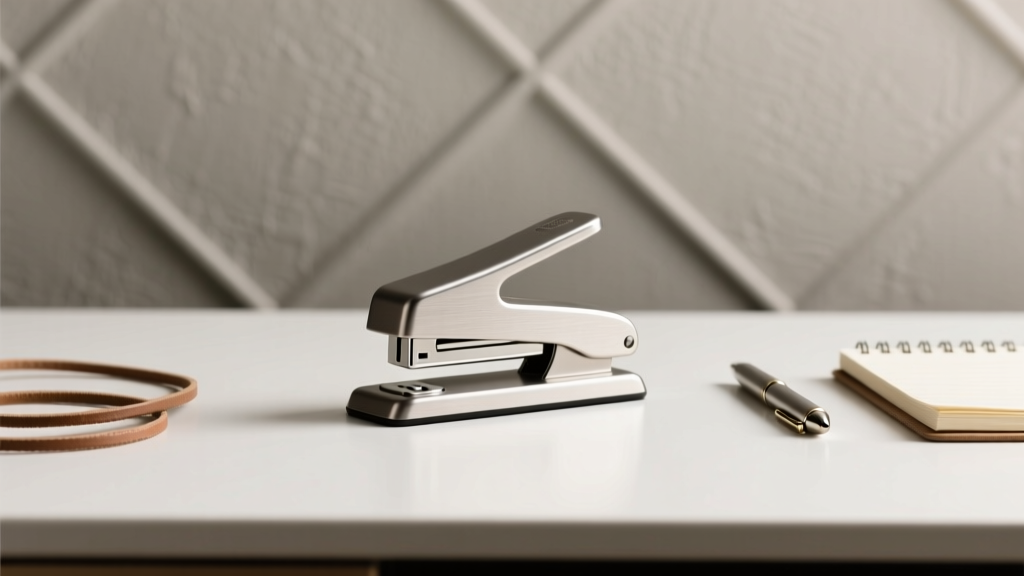
Premium Stapler Storage Solutions Explained - CarInteriorMix
It?s easy to overlook small tools inside a vehicle until you need one fast. A stapler might not be the first thing you associate with ?car interior upgrades,? but for many drivers it?s surprisingly practical: securing receipts to warranty paperwork, stapling roadside incident notes to insurance forms, organizing service records for a fleet vehicle, or keeping kids? school papers from becoming a wrinkled mess in the back seat.
The bigger issue isn?t the stapler itself?it?s how you store it. Tossing a stapler into a glove box can lead to rattles, scratched plastics, jammed mechanisms, or a pen-and-paper avalanche every time you open the compartment. Premium stapler storage solutions are about controlling clutter, protecting interior surfaces, reducing noise, and keeping frequently used tools accessible without turning your cabin into an office supply drawer.
This guide breaks down what ?premium? really means for stapler storage in a car, which storage styles work best for different interiors (sedans, SUVs, trucks), how to install them cleanly, and the common mistakes that cause noise, damage, or safety issues.
What Counts as ?Premium? Stapler Storage in a Car?
Premium storage isn?t about luxury branding?it?s about thoughtful design and interior-friendly materials. The best stapler storage options solve four problems at once: secure mounting, easy access, no rattles, and no interior damage.
Key Features to Look For
- Rattle control: Felt lining, EVA foam, silicone grippers, or tight tolerances that keep the stapler from bouncing.
- Interior-safe surfaces: Smooth edges, non-marring contact points, and adhesives rated for automotive heat.
- Crash-aware retention: A lid, elastic strap, magnetic closure, or latch that keeps the stapler contained during sudden braking.
- Heat resistance: Materials that won?t warp in a hot cabin (especially in direct sun).
- Clean integration: Looks like it belongs?matches black/gray interiors and doesn?t block airbags, vents, or seat tracks.
Why This Matters for Car Interiors
- Noise: Loose tools create constant rattling that makes even a premium cabin feel cheap.
- Wear and tear: Metal staplers can scuff piano-black trim, scratch touchscreens, or gouge glove box plastics.
- Safety: In a collision, a loose stapler becomes a projectile. Containment is more than a neatness preference.
- Time: When you need paperwork handled quickly?at a dealership, inspection station, or accident scene?digging through clutter is frustrating.
Stapler Types and What They Mean for Storage
Before choosing a storage solution, identify the stapler you actually carry. Size and construction determine what will rattle, what will jam, and what needs stronger retention.
Common Stapler Styles in Vehicles
- Mini staplers: Easy to store in console trays; low rattle risk; ideal for occasional use.
- Standard desktop staplers: Heavier and often metal?more likely to damage trim if unsecured.
- Flat clinch staplers: Great for paperwork packets (service records, trip logs); usually wider and benefit from a fitted pouch.
- Staple-free staplers: Bulkier but reduce the need to store spare staples; still need secure mounting.
Pro Tip: Match the Storage to the Use Case
- Daily driver: Small stapler + slim organizer insert works best.
- Work truck / fleet: Larger stapler + hard case or seat-back organizer with a closure.
- Family vehicle: Lidded center console bin to keep kids from grabbing it.
Premium Storage Options (and Where They Work Best)
1) Center Console Organizer Inserts (Best All-Around)
A console organizer insert is one of the cleanest ways to store a stapler without adding anything visible. Premium versions use molded ABS with soft-touch or felt lining and compartments sized for tools.
Best for: Modern cars with deep center consoles and messy ?catch-all? storage.
- Pros: Factory-like look, easy access, excellent rattle control when lined.
- Cons: Fitment matters?generic inserts can slide or squeak.
Real-world example: A commuter who keeps service receipts and toll statements can store a mini stapler and spare staples in a felt-lined insert. Everything stays upright, and the console doesn?t sound like a toolbox over potholes.
2) Hard-Shell Zip Cases (Best Protection)
If you carry a heavier metal stapler, a compact EVA hard-shell case prevents trim damage and contains staples, a small notepad, or paper clips.
Best for: Glove box storage, under-seat bins, or door pockets (if snug).
- Pros: Excellent protection, zero rattles when fitted, easy to move between vehicles.
- Cons: Slightly slower access; can be bulky in small glove boxes.
3) Seat-Back Organizers with Closed Pockets (Best for Families and Fleet)
Premium seat-back organizers use reinforced stitching, structured panels, and closed pockets with zippers or hook-and-loop flaps.
Best for: SUVs, vans, and vehicles where paperwork happens in the back seat.
- Pros: Keeps tools away from dash/console clutter; easy for passengers to reach.
- Cons: Must be installed tightly to prevent sway; avoid blocking seat airbags.
4) Modular MOLLE-Style Panels (Best for Overland/Truck Builds)
For trucks and adventure rigs, MOLLE-style seat-back panels or cargo-area panels let you add a dedicated tool pouch sized for a stapler and office essentials.
Best for: Off-road builds, work trucks, vehicles with organized cargo systems.
- Pros: Extremely secure, customizable, durable.
- Cons: More ?utility? look; requires careful placement to avoid seat movement interference.
5) Adhesive-Mount Mini Bins (Use Carefully)
Premium adhesive bins use automotive-grade tape (often acrylic foam like 3M VHB). They can work well on the side of a console or inside a glove box?if you prep properly.
Best for: Vehicles lacking usable compartments.
- Pros: Adds storage where none exists; can be positioned for quick access.
- Cons: Heat can weaken poor tape; removal can damage delicate finishes if done incorrectly.
Step-by-Step: Setting Up a Premium Stapler Storage Spot
Step 1: Choose the Location (Safety First)
- Avoid areas that can interfere with airbags (dash panels, A-pillars, seat side airbags).
- Keep it away from pedals, seat rails, and steering column adjustments.
- Pick a spot that won?t become a projectile zone?lidded compartments are ideal.
Step 2: Measure Your Stapler and the Storage Area
- Measure stapler length, width, and height (include any raised levers).
- Measure compartment depth and opening clearance.
- Confirm you can remove the stapler without scraping trim.
Step 3: Add Rattle Control and Surface Protection
- Use adhesive-backed felt or thin EVA foam inside hard plastic organizers.
- Add a small elastic strap or grippy silicone pad if the stapler shifts.
- If you use a case, choose one with a molded interior or add foam blocks.
Step 4: If Using Adhesive Mounts, Prep Like a Detailer
- Clean the surface with a gentle interior cleaner.
- Wipe with 70% isopropyl alcohol on a microfiber towel (test in an inconspicuous spot first).
- Let it dry completely.
- Apply tape with firm pressure for 30?60 seconds.
- Let it cure for at least 12?24 hours before loading weight (longer in cold weather).
Step 5: Build a Small ?Paperwork Kit? Around It
A stapler is most useful when paired with a few essentials. Keep it minimal to avoid clutter:
- Staples in a small closed box (or a strip in a tiny zip bag)
- Mini pen or short marker
- Small notepad or index cards
- A slim document envelope for receipts
Product Recommendations and Smart Comparisons (What to Buy)
Rather than chasing a specific brand name, shop by category and fitment. Here?s what tends to perform best in real vehicles.
Best Overall: Vehicle-Specific Center Console Organizer Insert
- Look for: model-specific fit, felt lining, non-slip base, multiple compartments
- Why it?s ?premium?: stable fit prevents squeaks and sliding
Best for Heavy Staplers: EVA Hard-Shell Zip Case with Fitted Interior
- Look for: semi-rigid shell, quality zipper, interior mesh pocket for staples
- Why it?s ?premium?: protects trim and keeps everything contained
Best for Families: Seat-Back Organizer with Zippered Utility Pocket
- Look for: reinforced straps, structured panel, zipper pocket depth
- Why it?s ?premium?: stays tight and doesn?t swing into knees or seats
Best for Trucks/Overland: MOLLE Panel + Small Tool Pouch
- Look for: stiff panel, strong webbing, pouch with internal organization
- Why it?s ?premium?: durable and secure on rough roads
Common Mistakes to Avoid
- Storing a loose stapler in a door pocket: It?ll rattle, slam into plastic, and can fall out when the door opens.
- Using cheap double-sided tape: Heat cycles in a parked car can cause adhesive failure, leaving residue or dropping the bin.
- Mounting near airbags: Even a small accessory can become dangerous if it interferes with deployment paths.
- Ignoring sharp edges: Some metal staplers have corners that can scratch glossy trim?use a case or padding.
- Overbuilding the ?office kit?: More items means more noise and more distraction. Keep it lean.
- Blocking console latches or hinges: Test compartment opening/closing with the stapler in place.
Practical Tips for a Cleaner, Quieter Cabin
- Use a dedicated ?paper zone?: Keep documents in one envelope and the stapler right next to it.
- Choose quiet materials: Felt, silicone, and EVA foam reduce plastic-on-metal noise significantly.
- Think summer heat: If you park outside, avoid thin plastic bins that can warp; choose heat-stable ABS or a case.
- Do a weekly reset: Toss outdated receipts and restock staples. Five minutes keeps the system working.
- Label discreetly: A small label inside the glove box (?Paperwork Kit?) helps other drivers in the household keep items where they belong.
FAQ: Premium Stapler Storage in Cars
Is it safe to keep a stapler in the car?
Yes, as long as it?s secured in a closed compartment, case, or strapped pocket. Avoid leaving it loose on seats, dashboards, or open bins where it can become a projectile during hard braking or a collision.
Where?s the best place to store a stapler for quick access?
For most drivers, the center console (with a fitted organizer insert) is the best balance of access and safety. If your console is small, a hard-shell case in the glove box is a close second.
Will adhesives damage my interior trim?
Low-quality tape can leave residue or pull delicate coatings. If you must use adhesive mounts, choose automotive-grade acrylic foam tape, prep the surface properly, and avoid soft-touch or rubberized finishes.
How do I stop rattling if I already have a storage bin?
Add adhesive felt or thin EVA foam where the stapler contacts the bin. A small non-slip silicone pad under the stapler also helps. The goal is to remove free play so it can?t bounce.
Should I store staples in the car too?
If you use the stapler regularly, yes?just keep staples in a closed container so they don?t scatter. Avoid loose staples in a console; they find their way into seat tracks and cupholder mechanisms.
What?s better: a mini stapler or a full-size stapler for a vehicle?
A mini stapler is usually the better car option because it?s easier to secure, takes less space, and is less likely to damage trim. A full-size stapler makes sense for work vehicles where you?re handling thicker packets of paper.
Next Steps: Build Your Own Premium Storage Setup
If you want a clean, quiet interior while still being prepared for paperwork moments, start simple:
- Pick a safe, reachable storage location (console or glove box).
- Choose one premium storage category that fits your vehicle (organizer insert, case, or closed-pocket organizer).
- Add felt/foam for rattle control and protect nearby trim.
- Create a small paperwork kit and keep it contained.
Once you?ve got a dedicated stapler storage solution, you?ll notice the bigger benefit: less cabin clutter, fewer rattles, and a more ?dialed-in? interior experience?especially on daily commutes and long road trips.
Want more practical interior organization ideas? Explore more guides on carinteriormix.com and keep your cabin looking sharp and working smarter.