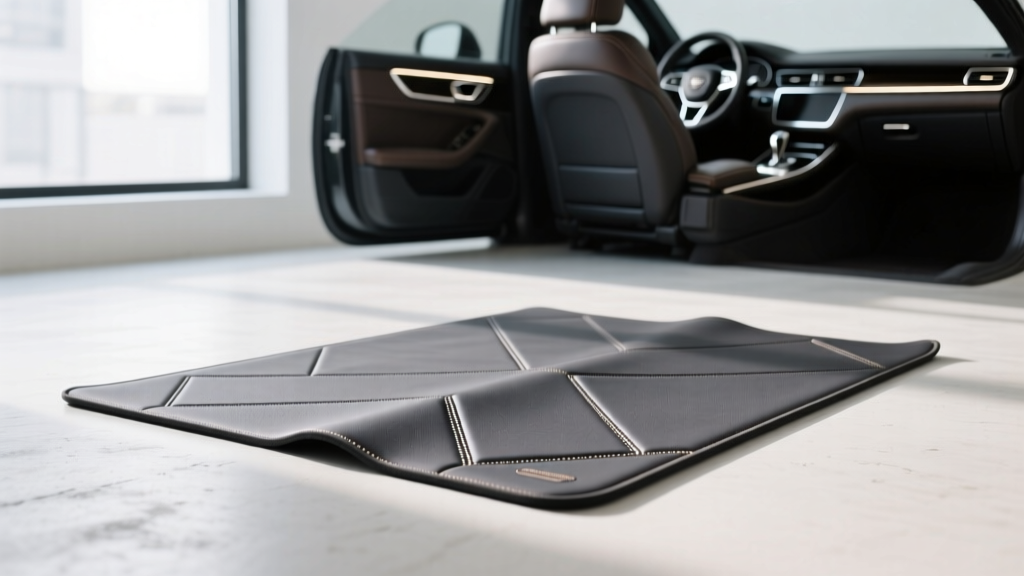
Neoprene Floor Mat Solutions | CarInteriorMix
Floor mats don?t get much glory, but they take more abuse than almost any other interior component. Mud from hiking boots, salty slush in winter, sandy flip-flop days at the beach, spilled coffee on the morning commute?your vehicle?s carpets absorb it all unless you put a serious barrier in place. That?s where premium neoprene floor mats earn their reputation: they?re built for real life, not just showroom photos.
Neoprene mats are often overlooked because ?rubber? and ?all-weather? mats dominate the conversation. The reality is that neoprene offers a different mix of benefits?cushion, grip, water resistance, and comfort?especially for drivers who want protection without the hard-plastic feel of some molded liners. If you?ve been weighing carpet vs. rubber vs. custom liners, this guide breaks down what neoprene is, how premium sets differ from bargain versions, and how to choose and maintain a set that looks good and lasts.
Whether you drive a daily commuter, a family SUV, a weekend off-roader, or a work truck, the goal is the same: keep the interior cleaner, safer, and easier to maintain. Let?s unpack the solutions and the details that actually matter.
What Are Neoprene Floor Mats (and Why Premium Matters)
Neoprene is a synthetic rubber best known from wetsuits. For floor mats, that same material brings a water-resistant, flexible layer that can handle daily wear while staying comfortable underfoot. Many ?neoprene? mats also use a multi-layer construction?neoprene top, a reinforcement layer, and a grippy backing?to help the mat stay put.
Key characteristics of neoprene mats
- Water resistance: Helps repel spills, slush, and wet shoes.
- Comfort and cushioning: Softer feel than many rigid all-weather mats.
- Noise reduction: The dense material can reduce rattles and road-noise reflections inside the cabin.
- Temperature tolerance: Stays more flexible in cold weather than some low-grade plastics.
- Traction: Textured surfaces and backing help prevent sliding.
?Premium? neoprene typically means better stitching, stronger binding, improved backing, cleaner fit, and more durable edges. Cheaper sets may curl at the corners, fray at the binding, or shift under the pedals?issues you don?t want in a driver footwell.
Neoprene vs. Rubber vs. Carpet vs. Molded Liners
Choosing floor mats is about matching the material to your driving life. Here?s a realistic comparison to help you decide.
Neoprene floor mats
- Best for: Daily drivers who want comfort + protection; families; people who dislike hard plastic mats.
- Strengths: Cushioned, water-resistant, attractive, quieter.
- Trade-offs: Not always as ?tray-like? as deep molded liners for capturing gallons of melting snow.
Rubber all-weather mats
- Best for: Work trucks, heavy mud/snow regions, frequent messes.
- Strengths: Durable, easy to hose off, often has high lips.
- Trade-offs: Can feel stiff or slippery when wet; some cheaper rubber smells strongly.
Carpet mats
- Best for: Clean climates, city commuting, owners who prioritize OEM look.
- Strengths: Clean appearance, lighter, often cheaper.
- Trade-offs: Stains easily, holds odors, offers limited water protection.
Molded thermoplastic liners (vehicle-specific ?tray? liners)
- Best for: Snow belts, outdoor sports, construction sites, pets.
- Strengths: Maximum containment with tall side walls; very easy cleaning.
- Trade-offs: Can look utilitarian; may feel hard; sometimes squeaks if not seated perfectly.
Real-world example: If you?re a parent shuttling kids and sports gear, neoprene is a strong middle ground?comfortable for daily use, resistant to spilled drinks, and easier to maintain than carpet. If you?re constantly tracking in thick mud or dealing with heavy road salt, a molded liner may win for sheer containment.
What to Look For in Premium Neoprene Floor Mat Solutions
Not all neoprene mats are built the same. Use this checklist before buying.
1) Fit: universal vs. vehicle-specific
- Vehicle-specific (custom-fit): Cleaner edges, better pedal clearance, less shifting. Typically worth the upgrade.
- Universal: May require trimming; can leave gaps; more likely to bunch.
2) Layer construction and thickness
- Look for a multi-layer build with reinforcement to prevent stretching.
- A quality mat feels substantial but still flexible?too thin tends to curl, too soft can deform under the heel.
3) Backing and retention (safety first)
- Non-slip backing (rubberized or nibbed texture) helps keep the mat anchored.
- Retention hooks/eyelets that match OEM anchors reduce sliding.
- For the driver?s side, ensure the mat cannot creep under the accelerator or brake pedal.
4) Edge binding and stitching quality
- Premium sets usually have tight stitching and durable binding that resists fraying.
- Check corners: curling corners are often a sign of weak binding or thin construction.
5) Water management design
- Some neoprene mats feature subtle channels or textured patterns to help trap moisture.
- If you live in a wet/snowy area, choose a design with raised edges or pair neoprene with a cargo liner for full protection.
Choosing the Right Neoprene Floor Mats for Your Vehicle and Lifestyle
Use these quick ?match? scenarios to narrow your options:
- Urban commuter: Neoprene front-row + rear-row set, darker color to hide marks, moderate texture.
- Family SUV/minivan: Full set with strong retention, easy-clean surface, and reinforced heel pad on driver side.
- Outdoor enthusiast (hiking, kayaking, skiing): Neoprene for comfort + consider a higher-lip design or keep a small absorbent towel in the car for post-activity wipe-down.
- Work truck: If boots are constantly muddy, compare neoprene vs. molded liners; neoprene works if you?ll clean regularly, liners win if you need maximum containment.
- Luxury vehicle owner: Premium neoprene with refined stitching and OEM-like fit can protect carpets without the ?industrial? look.
Step-by-Step: How to Install Neoprene Floor Mats Correctly
A great mat can become a safety hazard if it?s installed poorly. Here?s how to do it right.
- Remove old mats completely. Never stack a new mat on top of an old one?this is a common cause of pedal interference.
- Vacuum and clean the carpet. Dirt under the mat acts like sandpaper and can increase wear. Pay attention to the driver?s heel area.
- Locate the factory retention anchors. Most vehicles have hooks or posts in the driver?s footwell. Make sure they?re intact.
- Align the mat and attach retention points. Press the eyelets over the posts or lock the clips into place.
- Check pedal clearance. With the vehicle off, move the accelerator and brake through their full range and confirm the mat doesn?t contact them.
- Seat the edges flat. Smooth the corners and edges so nothing curls upward.
- Test drive and re-check. After a short drive, confirm the mat hasn?t shifted.
Pro tip: If a mat arrives curled from shipping, lay it flat in a warm area or in sunlight for a short time (monitor heat) to relax the material before installation.
Step-by-Step: Cleaning and Maintaining Neoprene Floor Mats
Neoprene is low-maintenance, but the right routine keeps it looking premium.
Routine cleaning (weekly or bi-weekly)
- Shake out debris outside the vehicle.
- Vacuum the surface to remove grit from the texture.
- Wipe with a damp microfiber for light dirt or salt film.
Deep cleaning (monthly or seasonally)
- Rinse with low-pressure water. Avoid aggressive pressure-washer blasts that can lift edges or stitching over time.
- Use mild soap (pH-neutral car shampoo works well). Scrub with a soft brush.
- Rinse thoroughly to prevent soap residue that attracts dirt.
- Air dry fully before reinstalling to prevent musty odors.
Odor control tip
- If wet shoes or spills create smells, sprinkle a small amount of baking soda, let it sit for 20?30 minutes, then vacuum. Avoid soaking the mat unnecessarily.
Product Recommendations and Comparisons: What ?Premium? Usually Includes
Rather than pushing a one-size-fits-all ?best,? focus on the premium features that separate a long-term buy from a quick replacement. When comparing neoprene floor mat solutions, look for:
- Custom-fit patterning: Better coverage around the dead pedal area and along seat rails.
- Reinforced heel pad: Extends driver-side life, especially for stop-and-go commuters.
- Anti-slip backing + OEM retention: Keeps the driver footwell secure.
- Edge binding quality: Tight stitching and durable trim prevents fraying.
- Colorfast materials: Helps resist fading and staining (especially important for lighter interiors).
Quick comparison: neoprene mats vs. ?hybrid? all-weather mats
- Neoprene: More comfortable, quieter, flexible, often more upscale looking.
- Hybrid (rubberized top + deeper channels): Better at holding large amounts of melted snow/water, sometimes easier to hose clean.
Buying tip: If you regularly deal with heavy slush, consider neoprene for front comfort and a high-wall cargo liner for the rear area where most wet gear ends up. Many owners find that combo hits the sweet spot.
Common Mistakes to Avoid with Neoprene Floor Mats
- Stacking mats: One mat on top of another can interfere with pedals and retention systems.
- Ignoring retention clips: ?It seems fine? isn?t a safety check. Always secure the driver?s mat.
- Buying universal when you need coverage: Gaps near the door sill and dead pedal invite stains on factory carpet.
- Using harsh chemicals: Strong degreasers or solvents can dry out materials and damage binding.
- Reinstalling while damp: Trapped moisture leads to odor and can encourage mildew in humid climates.
- Not cleaning beneath the mats: Grit under any mat accelerates carpet wear and can create a crunchy feel.
Practical Tips for Getting the Most Out of Premium Neoprene Mats
- Rotate attention to the driver?s heel area: That?s where wear starts. Clean it more often and check for early fraying.
- Keep a small detailing kit in the trunk: Microfiber towel, a small brush, and a travel-size interior-safe cleaner make quick cleanups painless.
- Use a seasonal strategy: In snowy months, clean salt weekly to prevent white crust buildup along edges.
- Match mat color to lifestyle: Light gray looks sharp but shows scuffs; black and dark charcoal hide daily grime.
- Don?t forget the rear: Rear mats take a beating from kids? shoes and pet paws, even when the front looks clean.
FAQ: Premium Neoprene Floor Mats
Are neoprene floor mats truly waterproof?
Neoprene is highly water-resistant, and premium mats do a great job blocking spills from reaching carpet. That said, mat design matters?deep channels and raised edges improve containment. If you regularly have standing water or heavy slush, consider mats with higher borders or a molded liner.
Do neoprene mats smell like rubber?
Quality neoprene mats typically have a mild odor out of the box that fades quickly. Strong, lingering chemical smells are more common with low-cost rubber mixes or bargain mats. Air them out for a day or two before installation if you?re sensitive to odors.
Will neoprene mats interfere with pedals?
They shouldn?t?if you buy the correct fit and use the factory retention system. The risk usually comes from universal mats, stacked mats, or mats that aren?t clipped down. Always verify full pedal travel after installation.
Are neoprene mats good for snowy climates and road salt?
Yes, especially if you clean them regularly. Salt can leave a chalky residue; a quick rinse and mild soap wash keeps them looking fresh. If your area sees heavy slush, prioritize a design with raised edges or consider molded liners for maximum containment.
How long do premium neoprene floor mats last?
With normal use and routine cleaning, premium sets can last for years. Longevity depends on driver heel wear, how often you drive with abrasive grit on shoes, and whether the mat stays properly anchored and flat.
Can I machine wash neoprene floor mats?
It?s usually not recommended. Machine agitation can stress stitching and binding, and heat can warp materials. Hand washing with mild soap and air drying is the safest approach.
Actionable Next Steps
If you?re ready to upgrade, start by identifying your primary use case: daily comfort, heavy-duty containment, or a balanced solution. Measure what matters?coverage around the dead pedal, rear footwell protection, and secure retention?then choose a premium neoprene mat set that matches your climate and driving habits.
- Check whether your vehicle has retention anchors and confirm the mat you?re considering supports them.
- Choose custom-fit if you want a cleaner look and fewer gaps.
- Plan a simple cleaning routine so the mats stay premium-looking, not just ?protected.?
Want more practical interior upgrades and protection tips? Explore more guides at carinteriormix.com and keep your cabin looking its best.