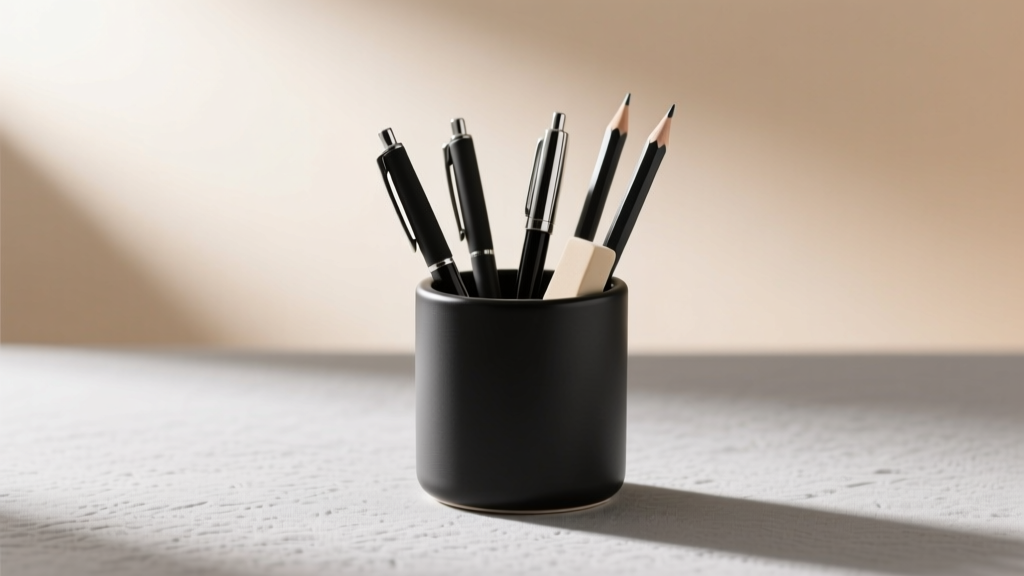
Pen and Pencil Holder Care | CarInteriorMix
A pen and pencil holder might not be the flashiest car accessory, but it?s one of the most practical. Whether you keep it in your center console, door pocket, glove box, or mounted near your dash, it?s the small organizer that prevents loose pens from rolling under pedals, leaking onto upholstery, or disappearing exactly when you need to sign a receipt or jot down a quick note.
Like any car interior organizer, a pen holder lives a tough life: heat cycles, dust, spilled coffee, sticky hands, and the occasional mystery sludge from the bottom of a bag. Over time, that grime can transfer onto your hands, your steering wheel, your seats, and the pens themselves. A clean, well-maintained holder also lasts longer?especially if it?s made from leather, faux leather, silicone, or fabric that can crack, warp, or absorb odors if neglected.
This guide breaks down how to clean and care for the most common types of car pen and pencil holders, how often to do it, what products work best, and the easy mistakes that lead to staining or damage. The goal: a tidy, hygienic, professional-looking interior?without overthinking it.
Why Cleaning Your Car Pen Holder Actually Matters
- Prevents ink disasters: Dried ink residue and grime can cause caps to stick, pens to leak, and rollers to clog.
- Reduces odors: Fabric and leather holders can trap smells from food, smoke, or moisture.
- Protects your interior surfaces: Dirt and grit on the holder can act like sandpaper against trim, leather seats, or plastics.
- Improves usability: A clean holder grips pens better and makes it easier to find what you need fast.
- Looks better: Small details add up?especially if you keep a clean cockpit.
Know Your Pen Holder Material (So You Don?t Ruin It)
Common materials found in car pen and pencil holders
- ABS plastic / hard plastic: Usually rigid, easy to wipe, resistant to most mild cleaners.
- Silicone / rubber: Flexible, grippy, great at trapping dust; generally wash-friendly.
- Leather / faux leather (PU): Looks upscale; needs gentle cleaning to avoid drying or peeling.
- Fabric / nylon / neoprene: Durable, but absorbs spills and odors; needs deeper cleaning.
- Felt / wool blends: Stylish, but can pill, stain, and hold onto lint.
If you?re not sure what you have, do a quick test: plastic feels cold and hard, silicone feels ?rubbery? with high grip, PU leather often has a uniform grain and plastic-like backing, and real leather typically has subtle grain variation and a more natural feel.
Cleaning Frequency: A Simple Schedule That Works
- Weekly: Quick shake-out or vacuum + wipe the exterior if it?s exposed (dash/seat pocket use).
- Monthly: Remove contents, clean inside and out, and sanitize touch points.
- Immediately: Clean any ink leak, coffee spill, or sticky residue as soon as you notice it.
Real-world example: If you keep a pen holder in your door pocket, it?s a magnet for dust and crumbs. A 60-second monthly wipe prevents that gritty buildup that scratches glossy trim when you pull it out.
What You?ll Need (No Fancy Kit Required)
- Microfiber towels (2?3)
- Soft detailing brush or old toothbrush
- Cotton swabs (for corners)
- Vacuum with crevice tool (optional but helpful)
- Warm water + mild dish soap
- Interior-safe cleaner (plastic-safe or upholstery-safe depending on material)
- Isopropyl alcohol (70%) for spot sanitizing (use carefully)
Product recommendations (interior-friendly picks)
- Plastic & general interior: Meguiar?s Quik Interior Detailer (easy, low-risk), Chemical Guys Total Interior Cleaner & Protectant (works on many surfaces).
- Leather holders: Lexol Leather Cleaner + Conditioner (classic combo), Leather Honey (excellent conditioning; use lightly).
- Fabric holders: P&S Carpet Bomber (good cleaning power), Chemical Guys Lightning Fast (spot-cleaning for fabric and carpet).
- Sanitizing touch points: 70% isopropyl alcohol on a cloth (not soaked) for plastic/silicone; avoid on leather and clear-coated soft-touch trims.
If you prefer a minimalist approach, warm soapy water and a microfiber towel will cover 80% of cleaning situations?especially for plastic and silicone pen holders.
Step-by-Step: Basic Cleaning (Works for Most Holders)
- Remove the holder from the car (if possible). Cleaning inside the car increases the chance of drips landing on seats or electronics.
- Empty it completely. Check for loose coins, paper clips, sticky notes, and dried ink caps.
- Dry clean first. Tap it upside down into a trash can. Vacuum the inside and seams if needed.
- Mix gentle cleaner. Use warm water with a drop or two of dish soap in a small bowl.
- Wipe exterior surfaces. Dampen (don?t soak) a microfiber towel and wipe all sides.
- Detail the corners. Use a brush or cotton swab for tight seams and the bottom where grime collects.
- Rinse residue. Wipe again with a clean damp cloth to remove soap film.
- Dry thoroughly. Pat dry and let it air-dry fully before returning it to the car.
Tip: If your holder sits in a cup holder or console slot, clean that area too. A spotless pen holder placed into a dirty console becomes dirty again within days.
Material-Specific Cleaning Methods
Plastic pen holders (ABS, hard molded organizers)
- Wipe with interior cleaner or warm soapy water.
- Use a soft brush on textured plastic to lift embedded dust.
- For sticky residue, use a small amount of diluted all-purpose interior cleaner. Test in an inconspicuous spot first.
- Dry completely to prevent water spots in seams.
Pro tip: Avoid heavy ?shine? dressings on pen holders. They can make the surface slick, attracting dust and letting pens slip out during hard braking.
Silicone or rubber pen holders (grippy, flexible styles)
- Rinse under warm water if removable (best method).
- Use a drop of dish soap and gently scrub with your fingers or a soft brush.
- Rinse thoroughly?soap film makes silicone feel tacky in a bad way.
- Air-dry fully before reinstalling.
Real-world note: Silicone loves collecting lint. If you have pets, keep a small lint roller in your garage?one quick pass keeps it looking new.
Leather and faux leather pen holders (PU, stitched styles)
- Dust first with a dry microfiber towel.
- Apply a leather-safe cleaner to a cloth (not directly onto the holder), then wipe gently.
- Use a soft brush lightly around stitching if grime is trapped.
- Wipe with a clean damp cloth to remove cleaner residue.
- Condition sparingly (real leather benefits most). Let it absorb, then buff lightly.
Heat warning: A leather or PU pen holder left in direct sun can dry out or warp. Parking in shade or using a windshield sunshade extends its life.
Fabric, nylon, and neoprene pen holders
- Vacuum thoroughly to remove dust and grit.
- Spot treat stains with an upholstery cleaner. Agitate gently with a soft brush.
- Blot with a microfiber towel?don?t rub aggressively (it can fuzz the fabric).
- Let it air-dry completely. Avoid reinstalling while damp (odor and mildew risk).
Odor tip: If the holder smells musty, sprinkle a tiny amount of baking soda inside, let it sit for a few hours, then vacuum it out. Keep baking soda away from leather and electronics.
Ink Leak Cleanup: Fast Response Saves Your Interior
If a pen explodes in summer heat, treat it like a spill?speed matters.
- Remove the pen holder and the leaking pen. Keep the holder upright to avoid spreading ink.
- Blot first. Use a dry towel to absorb wet ink. Don?t smear it around.
- For plastic/silicone: Use a cloth lightly dampened with 70% isopropyl alcohol and wipe the ink. Follow with warm soapy water to remove alcohol residue.
- For fabric: Use an upholstery cleaner designed for stain removal. Blot repeatedly. Test first.
- For leather/PU: Use a leather cleaner and gentle blotting. Avoid alcohol?this can strip finish and cause discoloration.
- Dry fully. Let it air-dry away from direct heat.
If ink reached your seats or carpet, stop the bleed: place a clean towel over the area, blot, and use a dedicated interior stain remover appropriate for the material.
Care Tips That Extend the Life of Your Holder
- Don?t store cheap pens in extreme heat. Heat is the #1 cause of leaks. Consider a pressurized ?space pen? style or gel pen rated for high temps if you live in hot climates.
- Rotate ?daily? pens. Keep one reliable pen in the holder and backup pens in a sealed pouch.
- Use a liner. A small piece of thin rubber shelf liner at the bottom of a rigid holder can catch ink and prevent rattles.
- Keep it out of direct sun. Dash-mounted accessories degrade faster than console-stored ones.
- Separate sharp items. Mechanical pencils, metal clips, and box cutter tips can gouge leather and scratch plastics.
Choosing a Holder That?s Easier to Keep Clean (Quick Comparison)
- Best for easy cleaning: Hard plastic organizers (wipe and go)
- Best for grip (less rattling): Silicone holders (washable, but lint-prone)
- Best for premium look: Leather holders (needs conditioning; avoid cheap PU in high heat)
- Best for flexibility: Nylon/fabric pockets (durable, but absorbs spills and odors)
If you?re shopping for a new car pen holder, look for features that reduce mess: removable inserts, smooth interior surfaces, reinforced stitching, and materials that don?t trap dust.
Common Mistakes to Avoid
- Soaking the holder inside the car: Water can drip into switches, seams, and carpets.
- Using harsh cleaners (bleach, ammonia, strong solvents): These can discolor plastics, destroy faux leather, and weaken adhesives.
- Overusing alcohol: Fine for occasional plastic sanitizing, but it can dry out materials and haze some finishes.
- Skipping the dry-clean step: If you wipe a dusty holder with a wet cloth, you can grind grit into the surface and create micro-scratches.
- Putting it back while damp: Trapped moisture leads to odor and mildew, especially in fabric holders.
- Ignoring the mounting area: A clean holder in a dirty console pocket won?t stay clean.
FAQ: Pen and Pencil Holder Cleaning for Car Interiors
How do I clean a pen holder without removing it from the car?
Vacuum it first, then wipe with a barely damp microfiber towel and a mild interior cleaner. Keep liquids minimal and use cotton swabs for edges. If it?s near electronics or vents, spray cleaner onto the towel?not the holder.
Can I put a silicone pen holder in the dishwasher?
It?s not recommended for car accessories unless the manufacturer says it?s dishwasher-safe. High heat can warp or dull the finish. Warm water, dish soap, and a quick hand scrub work better and carry less risk.
What?s the safest way to sanitize a pen holder?
For plastic or silicone, a light wipe with 70% isopropyl alcohol on a cloth is usually safe, followed by a water-damp wipe. For leather and fabric, stick to material-specific cleaners and let it dry completely?sanitizing sprays can stain or stiffen surfaces.
Why does my pen holder feel sticky even after cleaning?
Most often it?s leftover cleaner residue or degraded rubberized coating. Re-wipe with a clean cloth dampened with warm water, then dry. If it?s a soft-touch coating breaking down, avoid solvents and consider replacing the holder?those coatings can become permanently tacky over time.
How can I prevent pens from leaking in my car?
Use quality pens, keep them capped, store them tip-up when possible, and avoid leaving them in direct sun. In hot climates, consider carrying pens with you instead of leaving them in the car for long periods.
What should I do if the pen holder smells bad?
Clean it thoroughly, then address the odor source: vacuum crumbs, wipe sticky residue, and fully dry it. For fabric holders, baking soda (then vacuum) can help. For persistent odors, an enzyme-based upholstery cleaner is often more effective than fragrance sprays.
Next Steps: Keep Your Interior Organized and Ready
A clean pen and pencil holder is one of those small wins that makes your whole cabin feel more put together. Set a reminder to do a quick monthly clean, keep one dependable pen onboard, and handle leaks immediately before they stain your interior.
Want more practical car interior care tips and organizer guides? Explore the latest articles on carinteriormix.com and keep your cabin looking sharp.