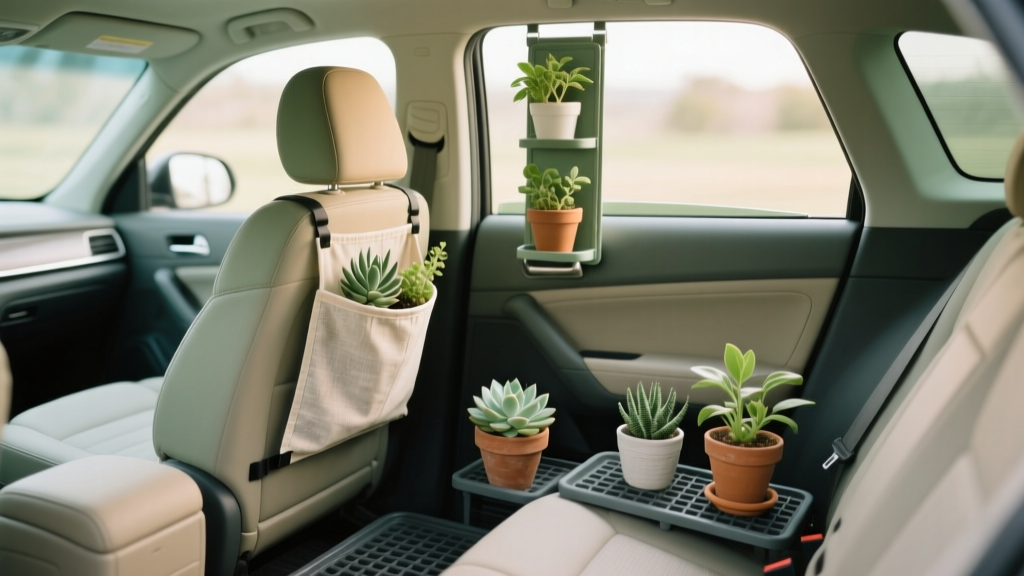
Plant Transport Setup for Your Vehicle (2026)
Transporting plants in a vehicle sounds simple until you?ve dealt with spilled soil in carpet, snapped stems, crushed leaves, or a pot that tips over during a normal turn. Whether you?re bringing home a new monstera from the nursery, moving a collection across town, or taking seedlings to a community garden, the right plant transport setup protects both your plants and your car interior.
This topic matters for more than convenience. A loose pot can become a projectile in a sudden stop, water can soak into seat foam and cause odor, and dirt can grind into upholstery. With a few smart choices?liners, straps, crates, and a little planning?you can build a safe, clean, repeatable system that works for your vehicle and the type of plants you carry.
This guide walks you through choosing the right plant transport setup for sedans, hatchbacks, SUVs, and trucks, with practical tips, product-style recommendations, and common mistakes to avoid.
Start With the Basics: What Are You Transporting?
The best setup depends on the plant?s size, structure, and how it?s potted. Before you buy anything, take two minutes to classify your load.
Plant type and structure
- Houseplants in nursery pots: Often top-heavy; soil can shift and spill.
- Tall plants (fiddle-leaf fig, dracaena, palms): Prone to bending and leaf bruising; need vertical support.
- Hanging plants: Vines tangle easily; baskets swing and shed debris.
- Seedlings and trays: Lightweight and sensitive; need a flat, level surface.
- Succulents/cacti: Break easily; spines can damage upholstery; need stable, padded containment.
Potting situation
- Plastic nursery pots: Light but tip easily; drainage holes can leak.
- Ceramic or terracotta: Heavy and breakable; can crack with impact.
- Self-watering planters: Great for home use, but reservoirs can slosh in transit.
Trip profile
- Short nursery run (10?30 minutes): Focus on preventing tip-overs and soil mess.
- Long drive (1?6 hours): Add temperature control, sun protection, and airflow planning.
- Moving day: Prioritize stacking strategy, repeatable securing points, and interior protection.
Know Your Vehicle: Interior Layout and Anchor Points
Your vehicle dictates how you can secure plants. The goal is to create a flat base, keep plants upright, and stop movement in all directions.
Sedan
- Best zones: Rear footwells for small/medium pots; rear seat for boxed plants; trunk for sturdy, sealed loads.
- Pros: Stable cabin temperature.
- Cons: Limited height for tall plants; trunk can overheat or get cold faster than the cabin.
Hatchback / SUV / Wagon
- Best zones: Cargo area with the rear seats folded; use tie-down points and cargo nets.
- Pros: Height and flexibility; easy to use crates and bins.
- Cons: More sun exposure through rear glass; items can slide on plastic cargo floors without a liner.
Pickup truck
- Best zones: Cabin for temperature-sensitive plants; truck bed only with weather protection and secure containment.
- Pros: Space for large loads.
- Cons: Wind damage, sun exposure, temperature swings, and theft risk in an open bed.
The Four Core Components of a Solid Plant Transport Setup
Most successful plant transport systems include these four elements: containment, stabilization, interior protection, and climate control.
1) Containment: bins, crates, and boxes
Containment is your ?first line of defense? against spills and tipping.
- Plastic storage totes (with a lip): Great for multiple small pots; catches soil and water.
- Milk crates or ventilated crates: Excellent for airflow and grip; pair with a towel or rubber mat inside.
- Cardboard boxes: Ideal for one-time trips; choose sturdy moving boxes and reinforce bottoms with tape.
- Plant caddies (wheeled bases): Useful at home, but often unstable in a car unless strapped down.
2) Stabilization: straps, wedges, and nets
Stopping movement is what keeps plants intact during braking and cornering.
- Ratchet straps: Very secure for cargo areas, but can crush pots if overtightened.
- Cam buckle straps: Easier to control tension; ideal for most interior use.
- Bungee cords: Convenient but less predictable; use only as secondary restraint.
- Cargo nets: Great for preventing sliding; best combined with bins/crates.
- Foam wedges/towels: Fill gaps between pots and container walls to prevent wobble.
3) Interior protection: liners and seat covers
Plants bring dirt, moisture, and sometimes pests. Protecting your upholstery and carpet saves cleanup time and preserves resale value.
- Waterproof cargo liner: A must for SUVs/hatchbacks; look for raised edges to catch runoff.
- Rubber floor mats: Perfect for sedans when using footwells for pots.
- Pet seat cover (hammock style): Works surprisingly well for plant runs; creates a washable barrier.
- Old towels/moving blankets: Add grip and absorb minor drips; place under bins and around pots.
4) Climate control: temperature, airflow, and light
Most plants dislike extremes more than the ride itself.
- Heat: A parked car can spike quickly. For warm days, pre-cool the cabin and keep plants out of direct sun.
- Cold: In winter, avoid the trunk and keep plants in the heated cabin; consider insulating bags or blankets.
- Airflow: Avoid blasting AC directly onto tropical plants (leaf edge burn can happen).
- Sunlight through glass: Leaves can scorch; use a light sheet or sunshade as a barrier.
Step-by-Step: Build Your Plant Transport Setup
Use this repeatable process for most trips?nursery runs, swaps, and even moves.
Step 1: Prep the plants (5?15 minutes)
- Water check: Avoid watering right before travel. Wet soil is heavier, spills easier, and can leak through drainage holes.
- Stabilize the soil surface: For messy pots, place a layer of newspaper or a thin cardboard disk on top of the soil to reduce splash-out.
- Support tall stems: Use soft plant ties or a loose loop of twine to gather foliage inward.
- Bag the pot (optional but smart): Slip the pot into a plastic bag and tie it around the base of the plant. This contains soil and protects upholstery.
Step 2: Prepare the vehicle interior
- Clear a flat area: Remove loose items that can fall onto plants.
- Install a liner: Cargo liner, rubber mats, or a washable seat cover depending on where plants will ride.
- Create a non-slip base: Add a rubber mat or moving blanket under your bins/crates so they don?t skate on plastic trim.
Step 3: Load using the ?heavy-low, fragile-center? rule
- Heaviest pots first: Place them low and against the seatback or side wall of the cargo area.
- Fragile plants in the middle: Surround them with sturdier pots or padding so they don?t take direct hits.
- Fill empty gaps: Use towels, foam, or rolled blankets to stop shifting.
Step 4: Secure everything
- Use factory tie-downs when possible: Cargo hooks and anchors are safer than looping straps around trim pieces.
- Strap bins, not stems: Tighten straps around containers/crates rather than individual plants.
- Test with a ?shake check?: Gently push the load. If anything slides, add grip or another restraint.
Step 5: Drive and park strategically
- Drive smoothly: Wider turns, gradual braking, and slower speed bumps reduce tip-over risk.
- Park in shade: Even 10 minutes in direct sun can stress some plants.
- Skip errands: Don?t leave plants in the car while you run inside ?for a minute.?
Recommended Setups (By Use Case)
These aren?t brand-specific, but they reflect the product categories that consistently work for car owners.
Best all-around setup for SUVs/hatchbacks
- Waterproof cargo liner with raised edges
- Two stackable plastic totes (medium and large)
- 2?4 cam buckle straps
- Cargo net for the final ?contain everything? layer
- Moving blanket for padding and grip
Real-world example: A weekend nursery trip: place three 6-inch pots and one 10-inch pot inside a tote, wedge towels between them, strap the tote to tie-down points, then throw a cargo net over the whole group for insurance.
Best setup for sedans (no cargo tie-downs)
- Rubber floor mats (rear footwells)
- Two sturdy cardboard boxes or a low tote
- Seat belt method for one large plant (see below)
- Old towels for gap filling
Seat belt method for one tall plant: Place the pot on the rear seat floor (or seat), pull the seat belt around the pot (not the stem), and buckle it. Add a towel on either side to stop wobble.
Best setup for seedlings and flats
- Rigid tray or baking sheet under the flat (keeps it level)
- Non-slip mat underneath
- Shallow box to prevent sliding
- Light cloth over top if sun is intense
Best setup for messy soil or recently repotted plants
- Plastic tote with lid (lid can stay cracked for airflow if needed)
- Pot bags or trash bags tied around the pot
- Absorbent pad/towel on the tote floor
Budget vs. premium comparison
- Budget: Cardboard boxes + towels + rubber mats. Great for occasional trips, but boxes degrade with moisture.
- Mid-range: Plastic totes + cam straps + washable liner. Best value for repeat use.
- Premium: Heavy-duty cargo liner + modular crates + fitted cargo barrier/net system. Ideal if you transport plants often (or combine plant hauling with pets/gear).
Common Mistakes to Avoid
- Watering right before you leave: Leads to leaks, saturated soil, and stains?especially on cloth seats.
- Putting plants in the trunk in extreme temperatures: The cabin is safer for most houseplants.
- Letting pots slide on plastic cargo floors: Even ?careful driving? won?t prevent movement without a non-slip base.
- Overtightening straps: You can crack ceramic pots or crush foliage. Secure firmly, not aggressively.
- Transporting tall plants lying down without support: Bent trunks and creased leaves can take weeks to recover.
- Ignoring dirt and moisture cleanup: Soil left in carpet acts like sandpaper; moisture trapped under mats can smell.
Quick Cleanup Tips After the Trip
- Shake out liners and blankets outdoors before soil gets ground in.
- Vacuum crevices and seat tracks where grit hides.
- Wipe plastic panels with a damp microfiber cloth (soil dust sticks to textured trim).
- If water spilled on fabric, blot immediately and run the HVAC to dry the area on the drive home.
FAQ: Plant Transport in a Car
How do I keep plant pots from tipping over on turns?
Use a container with walls (tote or box), fill gaps with towels, and secure the container with a strap or cargo net. For single large pots in a sedan, buckling the seat belt around the pot works well.
Is it safe to transport plants in the trunk?
Only when temperatures are mild and the load is stable and sealed. For most houseplants, the cabin is safer because it stays closer to human-comfort temperature and avoids heat/cold spikes.
What?s the best way to transport a tall indoor tree?
Keep it as upright as possible. Clear a tall zone (SUV cargo area with seats folded is ideal), gather foliage inward with soft ties, and strap the pot so it can?t slide. Avoid pressing leaves against windows in direct sun.
How can I prevent soil from spilling everywhere?
Don?t water right before the trip, bag the pot, and place the plant in a tote or box. A cardboard disk or newspaper on top of the soil helps reduce splash-out over bumps.
Can I use a roof rack for plants?
It?s rarely a good idea for live plants. Wind, sun, and temperature stress can damage foliage quickly, and securing pots safely is difficult. If you must, use sealed bins with padding and strong tie-downs?never exposed pots.
What should I keep in a ?plant transport kit? for my car?
A practical kit includes: a foldable tote or box, two towels, a small roll of trash bags, a pair of cam buckle straps, and a compact handheld vacuum or brush for quick cleanup.
Conclusion: Choose a Setup You?ll Actually Reuse
The right plant transport setup isn?t about fancy gear?it?s about consistency: a liner to protect your interior, a container to control mess, padding to prevent shifting, and a securement method that matches your vehicle. Build a system once, keep the core items together, and every nursery trip becomes easier (and a lot cleaner).
Next steps: Identify your most common plant-hauling scenario, pick one containment option (tote, crate, or box), add a non-slip base, and choose a simple restraint (cam strap or cargo net). Do a quick test run with empty containers so you know what fits and where.
For more practical car interior guides?liners, organizers, cleaning routines, and cargo setups?explore the latest articles on carinteriormix.com.