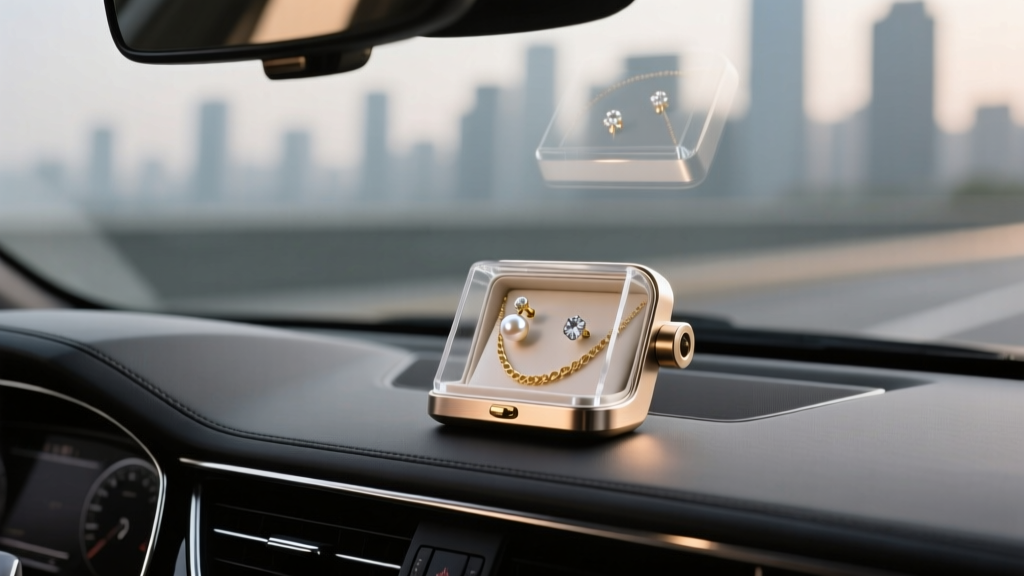
Jewelry Case Mount for Vehicle | CarInteriorMix
You keep your phone secured, your sunglasses within reach, and your dashcam firmly mounted?but what about your jewelry? Whether it?s a wedding ring you remove for workouts, a watch you don?t want rattling around in the console, or a pair of earrings you swap before a meeting, loose valuables in a car can quickly become a problem. They slide under seats, get scratched by keys, and in the worst cases, disappear when you hit the brakes.
A jewelry case mount solves a very specific ?car interior? challenge: storing small, high-value items safely, quietly, and accessibly while you drive. Done right, it keeps jewelry protected from damage, prevents distracting searches, and helps you maintain a clean, organized cabin.
This guide breaks down the mount styles, the best locations, what materials actually hold up in a hot cabin, and how to install a mount that stays put without ruining your interior trim.
What Is a Jewelry Case Mount (and Who Needs One)?
A jewelry case mount is a secure way to attach a small jewelry organizer (case, pouch, or compact box) to a stable spot inside your vehicle?typically the visor, headrest, console side, glovebox interior, or trunk panel. Think of it like a purpose-built ?micro-storage? mount for rings, earrings, bracelets, watches, and other small valuables.
Common situations where a jewelry case mount makes sense
- Gym-to-work transitions: You remove rings or earrings to train, then put them back on immediately after.
- Hands-on jobs: Tradespeople, medical workers, and mechanics often remove jewelry for safety.
- Travel and commuting: Keeping an engagement ring, watch, or heirloom item secure while on the road.
- Carpool and family life: Reducing the chance of small items getting lost under kids? gear.
- Detail-oriented interiors: If you?ve invested in a premium interior, preventing scratches and rattles is a big deal.
Start Here: Define Your Use Case Before You Shop
The ?right? jewelry case mount depends less on brand and more on how you?ll use it day to day. Before you click ?add to cart,? answer these questions:
- What are you storing? Rings need padded slots; earrings need a secure backing area; watches need a wider compartment.
- How often will you access it? Daily access favors visor or console mounting; occasional storage favors glovebox or trunk.
- How discreet should it be? A visible case may attract attention in some areas?consider hidden placements.
- How hot does your cabin get? High heat can warp plastics, weaken adhesives, and damage certain jewelry.
- Do you share the car? Shared vehicles need a mount that doesn?t interfere with other drivers? ergonomics.
Best Mount Locations (Pros, Cons, and Real-World Examples)
1) Sun visor mount
Best for: Frequent access, quick swaps before/after work, small lightweight cases.
- Pros: Easy to reach while parked; keeps items off seats and console clutter.
- Cons: Can sag the visor if too heavy; visibility risk if left open; heat exposure near windshield.
- Real-world example: A commuter keeps a slim ring-and-earring case clipped to the passenger visor, only opening it when parked to avoid distraction.
2) Headrest post mount (behind the seat)
Best for: Discreet storage, larger cases, rear-seat access.
- Pros: Hidden from casual view; stable; works well with strap-based mounts.
- Cons: Not convenient for the driver while seated; may interfere with rear passengers if bulky.
- Real-world example: A rideshare driver mounts a compact case behind the driver?s seat to keep valuables out of sight during pickups.
3) Center console side (adhesive or clamp)
Best for: Quick reach, modern interiors with flat console panels.
- Pros: Convenient; can be very secure with the right adhesive; reduces ?pocket dump? clutter.
- Cons: Adhesives can fail in heat; risk of trim damage if removed improperly.
- Real-world example: An enthusiast with a clean, minimal cabin mounts a magnetic-backed jewelry case on the console side, keeping rings separate from keys to prevent scratches.
4) Inside glovebox (hidden mount)
Best for: Discreet storage, reducing theft risk, infrequent access.
- Pros: Concealed; less sun exposure; tidy.
- Cons: Not as quick to access; glovebox temperature can still rise; may reduce glovebox space.
- Real-world example: A traveler keeps a small zip jewelry wallet mounted inside the glovebox door so it never gets buried under manuals and receipts.
5) Trunk side panel (for long trips)
Best for: Road trips, spare jewelry, formal events.
- Pros: Out of sight; plenty of space; avoids cabin clutter.
- Cons: Not accessible without stopping; temperature swings can be higher in some vehicles.
Mount Types Explained: What Actually Works in a Car
Adhesive mounts (VHB-style tape)
These use strong automotive-grade double-sided tape (often similar to 3M VHB). When paired with a lightweight case, adhesive can be clean and secure.
- Choose this if: You have a flat, smooth surface and want a low-profile look.
- Avoid if: The surface is textured, rubberized, or frequently exposed to direct sun/heat.
Strap mounts (Velcro, buckle, or elastic)
Straps wrap around a headrest post, visor, or seat frame. They?re popular because they don?t rely on adhesive.
- Choose this if: You want adjustability and easy removal.
- Avoid if: You hate visible straps or your visor feels flimsy.
Clamp mounts
Clamp mounts grip a panel edge or seat rail area. Quality varies widely?look for padded jaws to protect trim.
- Choose this if: You want a removable solution without adhesive.
- Avoid if: Your interior panels flex easily or the clamp blocks switches/seat controls.
Magnetic mounts
Magnetic systems can be slick: one magnet plate on the case, one on the mount point. The key is using magnets strong enough for bumps without being so aggressive they?re hard to remove.
- Choose this if: You want quick access and a clean look.
- Avoid if: You?re mounting near sensitive items (rare in interiors, but be cautious with magnetic stripe cards stored nearby).
Choosing the Right Jewelry Case: Materials and Interior Protection
The mount is only half the equation. The case itself should protect jewelry from scratches, heat, and noise.
Case features to prioritize
- Soft-lined interior: Microfiber or velvet-style lining helps prevent scuffs.
- Dedicated ring rolls or slots: Rings banging together is a common cause of scratches.
- Secure closure: Zipper or latch that won?t pop open on a hard stop.
- Rattle control: A case that stays silent over rough roads keeps your cabin feeling premium.
- Heat tolerance: Avoid thin, brittle plastics; consider EVA, quality PU leather, or fabric cases with structure.
Heat and jewelry: a practical warning
Cars get hot fast, especially in summer. While many metals handle heat, certain items don?t love it:
- Pearls can dry out or discolor over time with repeated heat exposure.
- Some adhesives used in costume jewelry may soften.
- Watches (especially with batteries) shouldn?t bake in direct sunlight regularly.
If you routinely park outdoors in high heat, choose a more shaded mounting location like the glovebox or behind-seat mount, and don?t store heat-sensitive pieces in the vehicle long-term.
Step-by-Step: How to Install a Jewelry Case Mount Securely
Method A: Adhesive mount install (clean and strong)
- Pick a flat location: Console side panel, glovebox interior wall, or a smooth trim surface.
- Test reach and clearance: Make sure it won?t interfere with seat movement, cupholders, or airbags.
- Clean the surface properly: Use isopropyl alcohol (70%+). Remove dressings/shine products?those make tape fail.
- Warm the tape (optional but helpful): If it?s cold, warm the tape slightly with your hands or a gentle heat source.
- Apply firm pressure for 30?60 seconds: Press evenly over the full tape area.
- Let it cure: Avoid loading it for 12?24 hours if possible. This is where most people rush and then blame the tape.
- Load the case gradually: Start light, then add items once you?re confident it?s holding.
Method B: Strap mount install (best for headrests/visors)
- Choose a strap location: Headrest posts are usually the most stable.
- Adjust strap tension: Tight enough to prevent sliding, not so tight it deforms the case.
- Check movement points: Slide the seat through its range to confirm nothing binds or rubs.
- Position for discretion: If theft risk is a concern, place the case behind the seat or low on the seatback.
Method C: Magnetic mount setup (quick access done right)
- Confirm magnet strength: You want a ?snap? connection that resists vibration.
- Mount the base securely: Prefer a hard mount point with strong adhesive or a fixed bracket.
- Use a tether if needed: For heavier cases, a small safety tether can prevent drops when you hit a pothole.
Product Recommendations and Comparisons (What to Look For)
Because vehicle interiors vary, the best approach is choosing by category and specs rather than chasing a single universal product. Here are dependable combinations that work for most drivers.
Option 1: Low-profile adhesive mount + slim zip case
- Ideal for: Daily ring storage, minimalists, clean console layouts.
- Look for: Automotive-grade tape, microfiber lining, zipper closure, and a case under ~200g when loaded.
- Why it works: Minimal bulk, quick access, less chance of visor sag.
Option 2: Headrest strap mount + structured travel jewelry organizer
- Ideal for: People who carry multiple items (watch, rings, earrings), shared vehicles, and theft-conscious drivers.
- Look for: Adjustable straps, anti-slip backing, structured compartments, and a strong zipper.
- Why it works: Stable and discreet with no adhesive risk on trim.
Option 3: Glovebox hidden mount + compact hard case
- Ideal for: Occasional storage, expensive pieces, hot climates.
- Look for: Heat-resistant shell, padded inserts, and a mount that won?t interfere with glovebox closing.
- Why it works: Out of sight, less UV exposure, lower chance of cabin ?visual clutter.?
Common Mistakes to Avoid
- Mounting over an airbag zone: Avoid A-pillars, steering wheel area, and side curtain airbag paths. When in doubt, consult your owner?s manual airbag layout.
- Using cheap tape on textured trim: Shiny interior dressings and textured plastics are adhesive killers.
- Storing jewelry loose in the case: Without compartments, rings and stones can rub and scratch.
- Overloading a visor mount: A heavy case can cause visor sag and annoying vibration noises.
- Leaving high-value jewelry visible: A visible case can invite break-ins. If you live or park in higher-risk areas, go hidden.
- Ignoring heat and humidity: Don?t treat your car like a safe deposit box?store sensitive items only as long as needed.
Practical Tips for a Cleaner, Safer Setup
- Add a small label inside the case: A simple ?RING / EARRINGS / WATCH? layout prevents rushed toss-ins.
- Pair with a valet key habit: If you drop your keys in the same area, keep keys and jewelry separated to avoid scratches.
- Do a weekly ?micro-clean?: Wipe the case exterior and surrounding trim to avoid dust lines and adhesive grime.
- Use a removable liner: A thin microfiber insert can be replaced if makeup, lotion, or sweat gets inside.
FAQ: Jewelry Case Mounts for Cars
Will an adhesive mount damage my interior trim?
Quality automotive tape usually removes cleanly if you do it correctly: warm it slightly, peel slowly, and remove residue with an adhesive-safe cleaner. Damage is more likely on fragile coatings, old trim, or surfaces treated with silicone-based shine products.
What?s the safest place to mount a jewelry case to reduce theft risk?
Inside the glovebox or behind the seat (headrest post area) are typically the most discreet options. Avoid leaving a jewelry case in plain view on the visor or dashboard area when parked.
Can I mount a jewelry case on the dashboard?
It?s not recommended. Dash locations are high-heat, high-glare, and can become dangerous projectiles in a collision. They can also interfere with airbags or driver visibility depending on placement.
What jewelry should I avoid storing in my car?
Avoid leaving pearls, high-value heirlooms, and watches for extended periods?especially in extreme heat. If you must store something temporarily, keep it shaded, in a padded case, and out of sight.
How do I stop the case from rattling on rough roads?
Use a structured case with padded compartments, avoid overloading, and add a thin foam or microfiber layer between the mount and trim. Strap mounts should be tightened enough to prevent vibration without bending the case.
Is a magnetic mount strong enough for daily driving?
It can be, as long as the magnet is designed for vibration and the base is attached securely. For heavier cases, a strap-based mount or a safety tether adds peace of mind.
Next Steps: Choose, Mount, and Make It Part of Your Routine
Start by deciding where you want access?quick and convenient (console/visor) or discreet and secure (glovebox/headrest). Pick a mount type that matches your interior surfaces and climate, then choose a case with a soft lining and true compartments so your jewelry stays protected and quiet. After installation, test it over a week of real driving: hard stops, bumpy roads, and quick errands will reveal whether your setup is truly secure.
If you?re upgrading your cabin organization, take a look at more practical interior guides on carinteriormix.com?we?re building a library of tips to keep your vehicle cleaner, safer, and more enjoyable every time you drive.