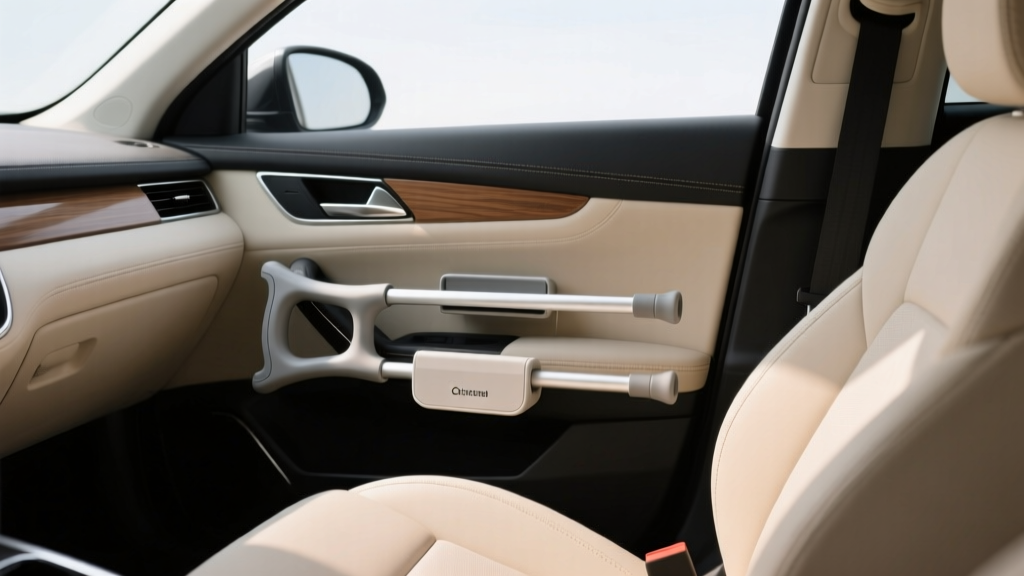
Crutch Storage Solutions: Best Options for Cars (2026)
If you or a passenger uses crutches, you?ve probably discovered a frustrating truth: most car interiors aren?t designed for long, awkward mobility aids. Crutches end up sliding across seats, banging into door panels, poking the driver in the shoulder, or becoming a dangerous projectile during hard braking. Beyond annoyance, it?s a real safety and comfort issue?especially in smaller cars, sports coupes, or busy family SUVs already packed with gear.
A good crutch storage solution fixes more than clutter. It can protect your upholstery, keep the driver?s footwell clear, reduce distractions, and make it easier to load and unload without twisting your body. Whether you?re recovering from an injury, managing a long-term condition, or transporting a family member, the right setup can make everyday driving feel normal again.
This guide breaks down the best ways to store crutches in a car, what to look for when shopping, and how to install and use these solutions safely. You?ll also find practical product-style recommendations, common mistakes to avoid, and a quick FAQ for real-world scenarios.
Why Crutch Storage Matters (Safety, Comfort, and Interior Protection)
Crutches are long, rigid, and often have sharp edges or hard plastic parts. In a moving vehicle, that combination can create issues quickly.
- Safety: Unsecured crutches can shift into pedals, the steering wheel area, or become airborne in a sudden stop.
- Driver focus: If you?re constantly re-adjusting a sliding crutch, your attention is off the road.
- Cabin damage: Repeated impacts can scuff door cards, crack trim, scratch center consoles, and tear leather or cloth seats.
- Accessibility: A good storage setup lets you retrieve crutches without crawling into the back seat or twisting painfully.
Real-world example: In compact sedans, many drivers lay crutches across the front passenger seat. That works until you brake and the crutches slip forward, hitting the dashboard or shifting into the driver?s space. A $20 strap-based organizer prevents that entirely.
Common Types of Crutch Storage Solutions
There?s no one-size-fits-all answer. The best crutch holder depends on your vehicle layout, how often you drive with crutches, and whether you need quick access.
1) Seat-Back Straps and Organizers
These solutions strap to the back of a front seat (usually the passenger seat) and secure crutches vertically or diagonally.
- Best for: Sedans, hatchbacks, and SUVs when you want quick access from the driver?s seat.
- Pros: Affordable, easy install, keeps crutches off seats.
- Cons: Can interfere with rear passenger legroom; may sway if not tensioned.
2) Headrest-Mounted Hooks or Clip Systems
Minimalist hooks or clips attach to headrest posts or wrap around them. Some use a small bungee or Velcro loop to keep crutches tight.
- Best for: Drivers who want simple, removable storage.
- Pros: Fast to move between vehicles; low cost.
- Cons: Limited stability if the crutches are heavy or the clip is weak.
3) Trunk/Cargo-Area Holders (SUVs, Wagons, Hatchbacks)
Cargo-area crutch storage includes elastic cargo nets, side-mount straps, and trunk organizers with long compartments.
- Best for: Keeping the cabin clear and protecting passengers.
- Pros: Very secure, minimal cabin clutter.
- Cons: Less convenient if you need the crutches immediately when parking.
4) Floor-Mounted or Seat-Rail Anchored Options
More specialized systems anchor around seat rails or use heavy-duty straps to prevent sliding on the floor.
- Best for: Frequent daily use and people who prioritize maximum stability.
- Pros: Extremely secure when installed correctly.
- Cons: More setup time; must avoid interfering with seat movement and airbags.
5) DIY-Friendly Solutions (With Caution)
DIY crutch storage can be as simple as a quality bungee/Velcro strap plus a soft protective sleeve. DIY works well, but only if you keep safety in mind and avoid airbag zones.
How to Choose the Right Crutch Storage Solution
Vehicle Fit: Where Will the Crutches Live?
Start by deciding your preferred storage location:
- Behind the passenger seat: Convenient for the driver and keeps crutches out of the footwell.
- Along the passenger-side floor: Only if fully secured and not near pedals or seat tracks.
- Trunk/cargo area: Best for safety and a clean interior, less ideal for quick access.
- Roof box or exterior carrier: Rare for crutches, usually unnecessary unless you need maximum interior space.
Quick Access vs. Maximum Security
- Quick access: Headrest hook + strap or seat-back organizer.
- Maximum security: Cargo-area straps/nets or seat-rail anchored system.
Material Quality and Interior Protection
Look for:
- Wide straps (reduces slipping and pressure points)
- Non-slip backing (helps keep crutches from shifting)
- Padded contact areas (protects leather/trim)
- Sturdy buckles (cheap plastic buckles can pop open)
Safety Considerations (Airbags and Sightlines)
Crutch placement should not interfere with:
- Side curtain airbags (usually along the headliner and pillars)
- Seat-mounted airbags (often in the outer seat bolsters)
- Driver?s mirror and shoulder checks
- Seatbelt access (especially for rear passengers)
Crutch Type and Length
Underarm crutches are long and awkward; forearm crutches are shorter and easier to store. Measure your crutches fully extended and confirm the organizer can accommodate the length without bending or blocking controls.
Step-by-Step: How to Secure Crutches in a Car (Safe Setup Options)
Option A: Seat-Back Strap Setup (Most Popular)
- Choose the seat: Typically the front passenger seat for easiest reach.
- Position the organizer/straps: Aim for mid-seatback height so the crutches don?t swing.
- Thread straps tightly: Pull slack out and confirm the strap won?t slide down during driving.
- Place crutches with padding inward: Keep rubber grips and pads facing the seat to reduce scuffs.
- Secure at two points: One strap near the crutch midsection and one near the bottom prevents pivoting.
- Test for movement: Tug the crutches firmly. If they shift more than an inch, tighten or reposition.
- Check rear passenger clearance: Make sure knees won?t hit the crutches.
Option B: Cargo-Area Strap or Net (Best for SUVs/Hatchbacks)
- Identify anchor points: Use factory cargo hooks or tie-down loops.
- Place crutches flat or diagonally: Keep them away from the hatch glass and fragile items.
- Use a non-slip mat: A rubber cargo liner helps prevent sliding under the strap.
- Secure with tension: The net/strap should compress the crutches enough that they don?t rattle.
- Confirm hatch clearance: Close the hatch slowly once to ensure nothing contacts the glass.
Option C: Quick-Access Headrest Hook + Loop Strap
- Attach hook/clip to headrest posts: Make sure it?s rated for the weight.
- Hang crutches on the hook: Keep the crutches together as a single bundle.
- Add a loop strap: Wrap a Velcro/bungee loop around the crutches and seatback to stop swinging.
- Check shoulder visibility: Sit in your normal driving position and do a full mirror check.
Recommended Crutch Storage Setups (By Vehicle and Use Case)
Rather than listing specific brand names that change frequently, these are reliable ?product categories? to shop for?what to search, what features matter, and who they suit.
Best for Daily Drivers: Heavy-Duty Seat-Back Strap Organizer
- Search terms: ?seat back mobility aid holder,? ?crutch holder car seat,? ?wheelchair accessory strap seatback?
- What to look for: Two-strap system, wide webbing, padded contact areas, metal cam buckles or high-quality buckles
- Ideal for: Commuters who need crutches accessible the moment they park
Best for SUVs/Family Vehicles: Cargo Net + Side Strap Combo
- Search terms: ?SUV cargo net heavy duty,? ?cargo side strap tie down?
- What to look for: Tight mesh, reinforced edges, multiple hooks, compatibility with factory tie-down points
- Ideal for: Keeping the cabin clean while hauling strollers, groceries, and gear
Best Budget Option: Headrest Hook with Non-Slip Loop Strap
- Search terms: ?headrest hook car heavy duty,? ?Velcro strap non slip?
- What to look for: Strong hook material, rubberized or non-slip coating, thick Velcro strap
- Ideal for: Occasional use, rentals, and switching between vehicles
Best Premium Feel: Enclosed Trunk Organizer with Long Compartments
- Search terms: ?trunk organizer long compartment,? ?cargo organizer rigid sides?
- What to look for: Rigid walls, adjustable dividers, non-slip base, lid option to hide medical items
- Ideal for: Owners who want a tidy, factory-like look and less visual clutter
Practical Tips for a Cleaner, Quieter, More Comfortable Setup
- Add a soft sleeve: A simple fabric cover or towel around the crutches reduces rattles and trim scuffs.
- Bundle pairs together: Two crutches strapped as one unit move less than two separate pieces.
- Protect common contact points: If the crutches touch the B-pillar or door panel, add a small adhesive felt pad.
- Keep rubber tips clean: Dirt and grit on crutch tips can stain carpets and mats?wipe them before placing inside.
- Plan your ?exit move?: Store crutches so you can grab them without twisting?especially after surgery or injury.
Common Mistakes to Avoid
- Storing crutches loose on the front passenger seat: They can slide forward under braking and damage the dash or distract the driver.
- Putting crutches in the driver footwell: Even temporarily, this can interfere with pedals?one of the highest-risk mistakes.
- Blocking airbags: Avoid mounting straps across side curtain airbag deployment paths or wedging crutches near airbag seams.
- Using weak hooks meant for groceries: Crutches are long lever arms; lightweight hooks can snap or pop off.
- Over-tightening against delicate trim: Excessive strap tension can dent soft door panels or mark leather.
- Ignoring rear passenger comfort: A ?perfect? crutch position for the driver can be a knee-jabber for someone sitting behind.
FAQ: Crutch Storage in Cars
Can I store crutches in the front seat safely?
You can, but only if they?re properly restrained. The safest approach is a seat-back strap system behind the passenger seat or a secured diagonal setup using two straps so the crutches can?t slide forward.
What?s the safest place to put crutches while driving?
Generally, the cargo area with a strap/net is safest because it keeps crutches out of the cabin. If you need quick access, a tightly secured seat-back setup behind the passenger seat is a strong second choice.
Will a crutch holder damage leather seats?
It can if the system uses narrow straps or hard plastic hardware that rubs. Look for padded contact points, wider webbing, and place the crutches so rubber grips and pads face the seat rather than exposed metal edges.
How do I stop crutches from rattling in the trunk?
Use a non-slip cargo mat, bundle the crutches together, and add a soft sleeve or towel wrap at contact points. A tight cargo net with reinforced edges also helps eliminate vibration noise.
Are DIY bungee cords okay for crutch storage?
They can be, but choose high-quality cords and avoid anything that can snap back toward you. Velcro straps are often safer and easier to tension precisely. Most importantly, keep the crutches out of airbag zones and away from pedals.
What if I need to access my crutches every time I stop?
Prioritize a seat-back organizer or headrest hook + loop strap setup. Position the crutches so you can reach them from the driver?s seat after parking without leaning deep into the cabin.
Wrap-Up: Choosing the Right Crutch Storage Solution
Start with your use pattern: daily access usually calls for a secure seat-back system, while maximum safety and a clutter-free interior often points to a cargo-area net or strapped organizer. Measure your crutches, confirm your mounting location doesn?t interfere with airbags or rear passengers, and aim for a two-point restraint so the crutches can?t pivot.
Your next steps:
- Pick a storage location (seat-back vs. cargo area) based on access needs.
- Shop for a solution with wide straps, strong buckles, and padding.
- Install and test by pulling firmly on the crutches and doing a short drive over bumps to confirm nothing shifts.
- Add protection (sleeve, felt pads, non-slip mat) to keep your interior looking new.
For more practical, enthusiast-friendly interior upgrades and organization tips, explore the latest guides on carinteriormix.com.