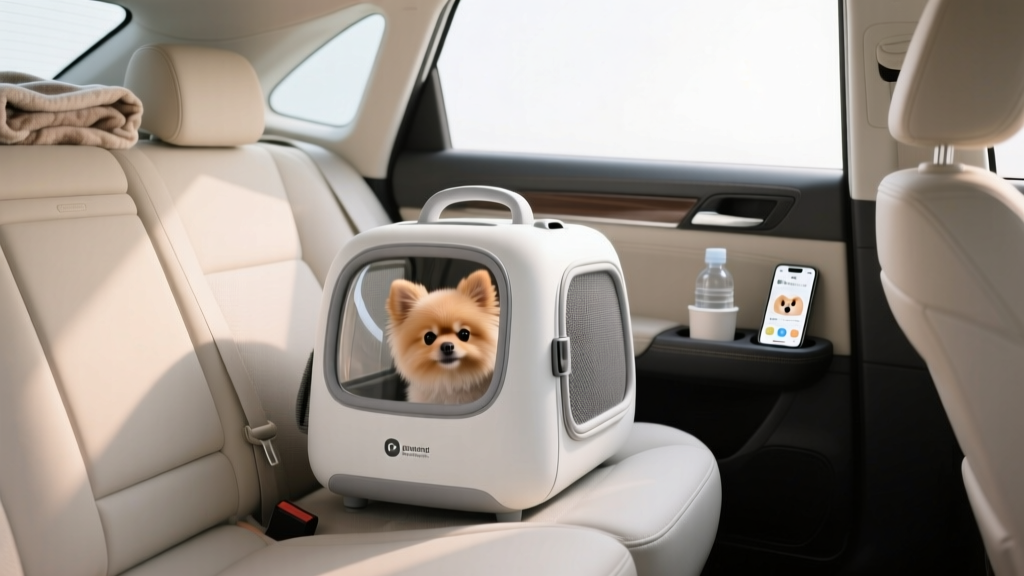
Small Animal Carrier Handbook (2026)
Bringing a rabbit to the vet, taking a cat to a new home, or traveling with a small dog sounds simple?until you?re actually loading up the car. The wrong carrier can turn a calm drive into a stressful mess: scratching on seats, panicked vocalizing, tipped-over carriers, and the kind of distraction that?s genuinely unsafe behind the wheel.
For car owners who care about their interior (and their passengers, furry or otherwise), a small animal carrier is more than a pet accessory. It?s a safety device, an upholstery protector, and a tool for keeping your cabin clean and controlled?especially on longer trips, in hot weather, or when you?re driving a vehicle with leather seats, premium trim, or a tidy cargo area you want to keep that way.
This handbook breaks down how to choose the right small animal carrier, how to secure it properly in a car, and what to pack for smoother rides. You?ll also get beginner-friendly step-by-step setup instructions, product-style comparisons, and common mistakes that damage car interiors or put pets at risk.
What Counts as a ?Small Animal Carrier? (and Why Cars Change the Rules)
A small animal carrier is a portable enclosure designed to safely contain a pet during transport. In a car, the requirements shift: you need a carrier that stays stable during turns and braking, fits your seating layout, and manages mess and airflow without compromising comfort.
Common ?small animals? people transport by car
- Cats (most common)
- Small dogs (typically under 20?25 lbs for soft-sided carriers)
- Rabbits
- Guinea pigs
- Ferrets
- Small birds (in travel cages, not typical cat carriers)
Why a car interior-focused approach matters
- Safety: An unrestrained carrier can become a projectile during a sudden stop.
- Cleanliness: Hair, litter, hay, bedding, and accidents spread fast in a confined cabin.
- Material protection: Claws and carrier edges can scuff leather, vinyl, and plastic door panels.
- Comfort: Proper ventilation and stability reduce motion sickness and stress behaviors.
Choosing the Right Carrier: Types, Pros/Cons, and Best Use Cases
Most beginners default to whatever carrier is cheapest or easiest to store. For car travel, pick based on your pet?s species, temperament, and how you plan to secure the carrier (seat belt, LATCH anchors, or cargo tie-down points).
Hard-sided carriers (plastic shell)
Best for: Cats, rabbits, guinea pigs, ferrets; frequent car rides; pets that chew or claw.
- Pros: Easy to clean, sturdy, good for pets that panic, typically more stable on seats.
- Cons: Bulky to store, some models have awkward belt routing, can rattle without padding.
Car interior tip: Add a thin rubberized mat or towel under the carrier to prevent sliding and protect seat upholstery.
Soft-sided carriers (fabric with mesh panels)
Best for: Calm cats/small dogs; short-to-medium trips; tight back seats.
- Pros: Lighter, compressible for storage, often includes shoulder strap and pockets.
- Cons: Harder to deep clean, can collapse if not structured, vulnerable to chewing and clawing.
Car interior tip: Soft-sided carriers can ?walk? across seats during turns?choose one with a firm base and use a seat belt wrap to reduce movement.
Wire crates (folding metal)
Best for: Small dogs in the cargo area of SUVs/wagons; longer trips with scheduled breaks.
- Pros: Great airflow, strong, often fits cargo tie-down strategies well.
- Cons: Can rattle and scratch interior plastics, not ideal for cats or animals that feel exposed.
Car interior tip: Always place a crate on a protective liner or cargo mat. Bare metal feet can gouge trim and leave pressure dents.
Backpack carriers (wearable)
Best for: Urban trips where you?ll walk after driving (vet, public transit connections).
- Pros: Convenient, hands-free, good for short car rides when secured properly.
- Cons: Not inherently designed for seat belt restraint, may be top-heavy on seats.
Species-specific travel cages (birds)
Best for: Birds traveling short distances.
- Pros: Proper perches and spacing.
- Cons: Needs careful placement away from airbags and direct sun; drafts from vents can be stressful.
Sizing and Fit: Getting the Carrier Dimensions Right
Correct carrier sizing is about stability and comfort?not giving your pet a studio apartment. In a car, too much extra space can actually increase stress and sliding.
General sizing guidelines
- Your pet should be able to stand up without hunching, turn around, and lie down naturally.
- Avoid carriers so tall that your pet can be thrown against the ceiling during bumps.
- For cats, a slightly snug carrier often reduces frantic movement.
Car fit checks (do this before you buy)
- Measure your back seat depth and door opening: Some carriers fit the seat but won?t fit through the door easily.
- Check seat belt length and buckle location: Low-mounted buckles can be tricky with wide carriers.
- Decide placement: Back seat vs. cargo area affects which shape makes sense.
Safety First: Where to Place a Carrier in Your Car
The safest place is usually the rear seat, secured with the seat belt. The front seat is risky due to airbags, and the cargo area can be safe if you have tie-down points and a stable crate setup.
Recommended placement options
- Rear seat (preferred): Most controllable, easiest for seat belt restraint, away from front airbags.
- Cargo area (SUV/wagon): Works well with crates and tie-downs; use a cargo barrier if possible.
- Front passenger seat (avoid when possible): Only if airbags can be disabled and you have no alternative?still not ideal.
Temperature and sun exposure
- Keep carriers out of direct sun; cracked windows can create hot spots even with AC.
- In winter, avoid blasting hot air directly into the carrier?dry heat can irritate small airways.
Step-by-Step: How to Secure a Small Animal Carrier with a Seat Belt
This method works for most hard-sided and many soft-sided carriers. Your goal is to reduce forward motion, tipping, and sliding.
- Prep the seat: Place a thin towel, rubberized shelf liner, or a dedicated seat protector under the carrier to prevent scuffs and sliding.
- Position the carrier: Set it on the rear seat with the door facing the center of the car (not directly at a door). This reduces the chance of a startled pet bolting into traffic if the door is opened.
- Route the seat belt:
- If the carrier has belt loops, feed the belt through them.
- If not, wrap the lap portion across the carrier?s midsection (not across mesh panels that could collapse).
- Buckle and tighten: Remove slack so the carrier doesn?t tip during turns. The carrier should not shift more than an inch or two.
- Lock the belt (if your car supports it): Slowly pull the shoulder belt all the way out and let it retract to engage locking mode. This keeps tension on the carrier.
- Final stability check: Push the carrier side-to-side and forward. If it slides easily, add grip underneath or reposition.
Real-world example
If you drive a compact sedan with sloped rear seats, a hard-sided carrier may rock forward under braking. A rolled towel placed at the seat crease (behind the carrier) can level it out, and a rubber mat underneath prevents it from ?skating? on leather.
Step-by-Step: Cargo Area Setup for SUVs and Hatchbacks
If you?re using a wire crate or a large hard-sided carrier in the cargo area, treat it like securing luggage?because that?s essentially what it becomes in a sudden stop.
- Lay down protection: Use a cargo liner or thick blanket to prevent scratches and reduce rattles.
- Place the crate/carrier against the seatbacks: This reduces sliding distance.
- Use tie-down straps: Attach straps to cargo hooks and tighten so the crate can?t tip.
- Add a rattle buffer: A small towel between the crate and plastic trim prevents squeaks and scuffs.
- Keep airflow steady: Aim vents toward the cabin, not directly into the crate.
Comfort and Cleanliness: What to Put Inside the Carrier
Inside the carrier, aim for traction, absorbency, and familiarity. Skip anything bulky that increases heat or shifts around.
Recommended carrier ?loadout?
- Non-slip base layer: Small rubber mat, yoga-mat offcut, or textured towel.
- Absorbent layer: Puppy pad or washable incontinence pad (especially for cats and rabbits).
- Comfort layer: Thin blanket that smells like home; avoid thick bedding for warm weather.
- For rabbits/guinea pigs: A small amount of hay in a corner can calm them and keep them occupied.
What to avoid
- Loose litter in the carrier (ends up in vents, seat tracks, and carpet fibers)
- Hard toys that can bounce and startle your pet
- Open water bowls (spill risk); use a small bottle for longer trips only if your pet is used to it
Product-Style Recommendations: What to Look for When Shopping
Rather than chasing a single ?best? carrier, use this checklist to compare models. For car owners, build quality and cleanability matter as much as pet comfort.
Best features for car travel
- Wide top-loading door: Especially helpful for cats and rabbits; reduces wrestling and protects your steering wheel/trim from escape attempts.
- Rigid base (soft-sided models): Prevents sagging and keeps the carrier level on seats.
- Seat belt loops or pass-throughs: Makes restraint simple and stable.
- Easy-clean materials: Smooth plastic or wipeable fabric; removable base insert is a plus.
- Ventilation on multiple sides: Avoid carriers with limited airflow when the car is warm.
Quick comparison: hard-sided vs. soft-sided for beginners
- Choose hard-sided if you want easier cleaning, better durability, and a more ?secure? feel for anxious pets.
- Choose soft-sided if you need lighter weight, easier storage, and a better fit in tight back seats?assuming your pet won?t chew or claw out.
Common Mistakes to Avoid (That Beginners Make All the Time)
- Letting the pet ride loose: Aside from safety, it?s a fast track to scratched door panels, chewed seat belts, and distracted driving.
- Placing the carrier in the front seat with an active airbag: Airbags deploy with force; even a minor collision can become catastrophic.
- Not securing the carrier: A carrier that slides becomes a stress amplifier for your pet and can damage leather or leave permanent seat creases.
- Overheating the carrier: Parking ?just for a minute? with a pet inside is a common and dangerous error, even with windows cracked.
- Skipping acclimation: If the first time your cat sees the carrier is when you?re already late, expect a fight and a noisy drive.
- Using strong cleaners right before travel: Heavy fragrances can irritate sensitive noses; they can also make the carrier feel unfamiliar and increase stress.
Beginner-Friendly Routine: Acclimate Your Pet to the Carrier
If you want calmer car rides, start with the carrier at home. This also reduces the chance of interior damage from frantic escape behavior at the car door.
- Leave the carrier out in a quiet room with the door open.
- Add familiar bedding and a small treat trail leading inside.
- Practice short ?in and out? sessions without closing the door at first.
- Close the door briefly and reward calm behavior.
- Do a short car test (5?10 minutes) before a long trip or vet appointment.
FAQ: Small Animal Carriers for Car Travel
Should a carrier face forward or sideways in the back seat?
Forward-facing is usually fine if the carrier is stable and secured tightly. If your seat shape makes it tip forward, turning it sideways and tightening the belt around the carrier?s middle can improve stability. Prioritize whatever orientation reduces rocking and sliding.
Can I use a pet harness and seat belt instead of a carrier?
For small animals like cats, rabbits, and guinea pigs, a carrier is generally the safer and more contained option?especially for preventing escapes when doors open. Harness setups can work for some dogs, but they don?t protect your interior from shedding, accidents, or sudden movement as well as a carrier.
How do I keep my car from smelling like the carrier?
Use a washable absorbent pad inside the carrier, clean it after each trip, and keep a small sealed bag for used pads or bedding. For the car itself, a quick vacuum around the seat creases and a wipe-down of contact points prevents odor buildup.
What?s the best carrier for nervous cats?
Many nervous cats do better in a hard-sided carrier with a top-loading door and good ventilation. Pair it with a thin towel that smells like home and keep the carrier level and secured so it doesn?t wobble during turns.
Is it okay to cover the carrier with a blanket?
Sometimes, yes?partial coverage can calm cats by reducing visual stimulation. Just don?t block ventilation, and avoid doing it in warm weather. A light towel over half the carrier is often a better compromise than fully covering it.
How often should I stop on a long drive?
For most small animals, plan checks every 2?3 hours to assess temperature, stress level, and cleanliness. Avoid opening the carrier in an unsecured area; a startled pet can bolt. For rabbits and guinea pigs, ensure they have hay and a comfortable, stable base.
Conclusion: Your Next Steps for Safer, Cleaner Pet Transport
Start by choosing a carrier type that matches your pet?s behavior and your car?s layout, then commit to a secure setup?rear seat with a locked seat belt is the simplest win for most drivers. Add a non-slip layer underneath, keep the interior of the carrier absorbent and familiar, and do a short practice ride before your next real trip.
If you want a quick checklist to act on today:
- Measure your back seat and door opening before buying a carrier
- Pick a model with belt pass-throughs and easy-clean materials
- Set up a seat protector or rubberized mat under the carrier
- Practice securing the carrier and doing a 10-minute test drive
For more practical car interior guides?seat protection strategies, cargo liners, odor control, and pet-friendly detailing?explore the latest articles on carinteriormix.com.