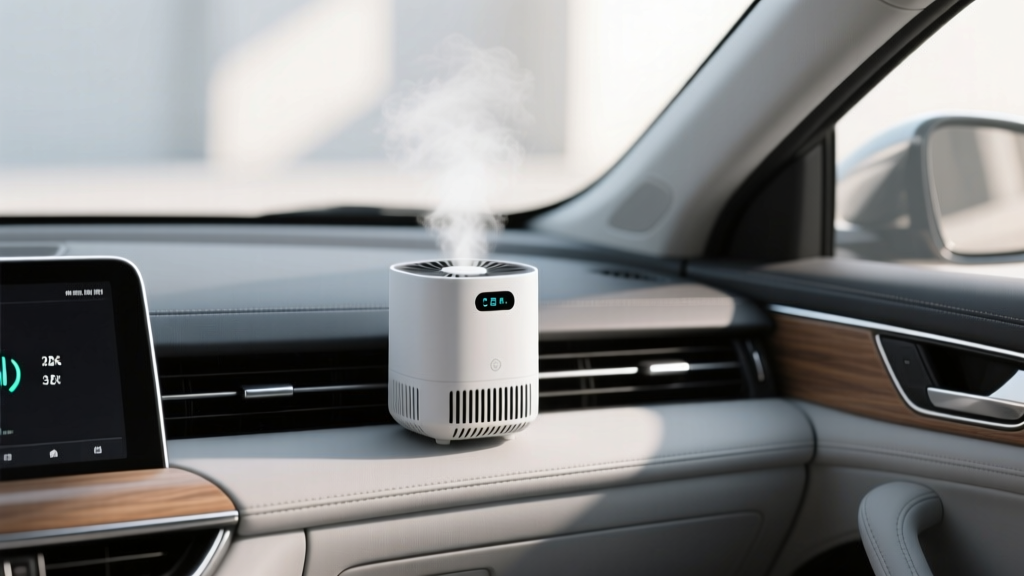
Air Purifier Installation for Cars | CarInteriorMix
Your car?s cabin is a small, enclosed space that traps whatever comes in: exhaust fumes during traffic, dust and pollen through the vents, lingering food smells, pet dander, even chemical odors from new upholstery or detailing products. If you?ve ever stepped into your vehicle and noticed your allergies flare up?or you can?t get rid of that ?mystery smell??a dedicated car air purifier can make a bigger difference than most owners expect.
Unlike a home, your vehicle has constant air exchange, vibration, temperature swings, and a power system that?s not designed for random accessories. That means installation matters. A purifier that?s mounted poorly, wired incorrectly, or positioned in the wrong spot may barely clean the air?or worse, become a safety hazard.
This handbook walks you through choosing the right type of air purifier, installing it safely, and getting real results. You?ll also learn common mistakes that beginners make, plus maintenance tips so your unit keeps working for the long haul.
How Car Air Purifiers Work (and What They Can Actually Fix)
Most car air purifiers use one or more of these technologies. Understanding them helps you choose the right unit and install it where it performs best.
HEPA or HEPA-Type Filtration
- Best for: dust, pollen, smoke particles, fine particulates (PM2.5), pet dander
- How it works: a fan pulls cabin air through a dense filter that traps particles
- Watch for: true HEPA is rare in very small ?cup holder? units; many are ?HEPA-style?
Activated Carbon (Charcoal) Filtration
- Best for: odors, some VOCs (volatile organic compounds), smoke smell
- How it works: carbon adsorbs odor molecules; performance depends on carbon weight and quality
- Watch for: thin carbon sheets saturate quickly in hot climates or heavy odor situations
Ionizers and ?Plasma? Purifiers
- Best for: reducing airborne particles by charging them so they clump
- Trade-offs: some ionizers can produce ozone; look for CARB compliance or low/zero-ozone certifications
- Watch for: particles may settle on surfaces more, meaning you?ll need to wipe the dashboard more often
UV-C (Less Common in Cars)
- Best for: targeted sanitization in controlled designs
- Reality check: UV effectiveness depends on exposure time and enclosure design; many small units are more ?feature? than function
Real-world expectation: A good purifier helps most with particles (allergies, dust, smoke haze) and light-to-moderate odors. It won?t fix mold in the HVAC system, a water leak under the carpet, or a cabin air filter that hasn?t been changed in years.
Before You Buy: Picking the Right Purifier for Your Vehicle
Car air purifiers aren?t one-size-fits-all. Use these checkpoints to avoid buying something that doesn?t match your car or your goals.
1) Match the Purifier Type to Your Problem
- Allergies/pollen: prioritize a fan-based filter unit (HEPA/HEPA-type)
- Food, smoke smell, gym bags: carbon-heavy purifier or filter with a real carbon bed
- Rideshare/kids/pets: a purifier with both particulate filtration and carbon is usually the best balance
2) Check Power and Placement Compatibility
- Power source: USB-A, USB-C, 12V socket (cigarette lighter), or hardwire
- Mount style: cup holder, headrest strap, seat-back mount, console mount, or vent-clip (less ideal)
- Cable length: long enough to route safely without crossing pedals or shifter area
3) Look for Cabin-Appropriate Performance Specs
- CADR (Clean Air Delivery Rate): higher is better, but many car models don?t publish it?use reputable brands and reviews
- Noise level: a unit that?s too loud will end up turned off; look for a usable low mode
- Filter availability: replacement filters should be easy to find and not overpriced
Quick Product Recommendations (By Category)
These categories help you compare what fits your needs without chasing gimmicks:
- Best for most drivers (balanced filtration): a compact purifier with a fan-driven particulate filter + activated carbon, powered by USB or 12V.
- Best for rideshare and families: a larger seat-back or console-mounted unit with higher airflow and easy filter swaps.
- Best for odor control: carbon-forward purifier or filter system; pair it with an HVAC cabin air filter upgrade for best results.
- Best budget approach: skip ?mystery brand? ionizers; choose an entry-level filter-based unit from a known manufacturer with replacement filters in stock.
What You?ll Need for Installation
Most installations are simple, but having the right supplies makes it cleaner and safer.
- Air purifier and included mount/strap/base
- Power cable (USB/12V) and any included adapters
- Alcohol wipes or interior-safe cleaner (for mounting surfaces)
- Microfiber towel
- Cable clips or small zip ties (interior-safe)
- Trim tool (optional, for tucking cables neatly)
- Add-a-fuse kit (only if hardwiring)
Where to Place a Car Air Purifier for Best Results
Placement determines airflow, coverage, and whether the unit becomes an annoyance.
Top Placement Options (Ranked)
- Center console area (rear of console facing back seat): great airflow to both rows, easy power access, stable surface.
- Seat-back/headrest mount (front seats): excellent for rear passengers; good overall circulation if aimed toward the cabin center.
- Cup holder mount: stable and simple, but sometimes too low to circulate well in larger cabins.
Places to Avoid
- On the dashboard: heat exposure, glare, and potential projectile risk in sudden stops.
- Blocking airbags: avoid A-pillar, steering wheel area, and front passenger dash zones.
- Hanging from vents: can strain vent slats and doesn?t guarantee good airflow through the purifier.
- Under seats: restricted airflow, more dust ingestion, and increased chance of cable snags.
Practical tip: If your car has rear passengers often, position the purifier so it draws air from the middle of the cabin rather than directly from a footwell. That?s where dust and allergens tend to circulate.
Step-by-Step: Installing a Plug-In Car Air Purifier (USB or 12V)
This is the most common beginner-friendly setup. Expect 10?20 minutes.
Step 1: Test the Purifier Before Mounting
- Plug the purifier into your USB port or 12V socket.
- Turn the car to accessory mode.
- Cycle through fan speeds and modes to confirm it powers on and doesn?t rattle.
Step 2: Choose a Location and Confirm Clearance
- Move the front seats through their full range.
- Check that the purifier won?t hit knees, get kicked by rear passengers, or interfere with cup holders you regularly use.
- Ensure intake and exhaust vents on the purifier aren?t blocked by upholstery or trim.
Step 3: Clean the Mounting Surface
- Wipe the area with an alcohol wipe or interior-safe cleaner.
- Dry with a microfiber towel.
- If using adhesive pads, let the surface fully dry for better bond strength.
Step 4: Mount the Purifier Securely
- Console/base mount: press firmly and hold as directed; avoid mounting on textured surfaces unless the adhesive is designed for it.
- Headrest/strap mount: tighten straps so the unit doesn?t sway during braking.
- Cup holder mount: expand the base until snug; ensure it doesn?t wobble.
Step 5: Route the Power Cable Safely
- Run the cable along the console edge or seat rail area?never across the driver footwell.
- Tuck the cable into trim gaps using a plastic trim tool (avoid metal tools that can mar surfaces).
- Secure extra slack with cable clips or zip ties.
Step 6: Set a Sensible Operating Mode
- Daily driving: low/auto mode keeps noise down and maintains steady filtration.
- After smoking exposure, dusty roads, or a stinky takeout run: high mode for 10?20 minutes, then drop to low.
Real-world example: If you commute through heavy traffic with windows closed, run the purifier on medium for the first 5?10 minutes to ?scrub? the cabin after you enter, then maintain on low for the rest of the drive.
Step-by-Step: Hardwiring a Car Air Purifier (Advanced Beginner Option)
Hardwiring keeps your cabin cleaner (no dangling cables) and frees up the 12V socket, but do this only if you?re comfortable working around the fuse box.
What You?ll Need
- Add-a-fuse kit compatible with your fuse type (mini, low-profile mini, micro2, etc.)
- Inline fuse (usually included with add-a-fuse)
- Ground ring terminal
- Trim tool
- Basic multimeter or test light (recommended)
Hardwire Steps (High-Level)
- Choose switched vs. constant power: switched turns off with ignition (best for most people); constant can drain your battery if forgotten.
- Locate the interior fuse box: often under the dash or in a side panel.
- Identify an appropriate fuse slot: use a test light/multimeter to confirm it?s switched if that?s your goal.
- Install the add-a-fuse: match fuse ratings; keep the original circuit protected and add the accessory fuse for your purifier.
- Connect ground: attach to a clean, unpainted chassis ground point (factory bolt location is ideal).
- Route and secure wiring: avoid sharp edges, pedals, and moving seat rails; tuck behind trim.
- Test operation: confirm purifier powers on/off with ignition and no warning lights appear.
Safety note: If you?re unsure about fuse selection or grounding, have a professional installer do it. A clean hardwire job should look factory and remain safe in a crash.
Dialing In Performance: Setup Tips That Make a Big Difference
- Replace your cabin air filter first: a clogged HVAC filter limits fresh airflow and recirculates junk. Consider a charcoal cabin air filter if odors are a problem.
- Use recirculation strategically: in heavy traffic, recirc reduces outside pollution intake; run the purifier to clean what?s already inside.
- Don?t block the intake: keep bags, jackets, and seat covers away from the purifier?s air path.
- Clean interior surfaces: a purifier captures airborne particles, but dust on dash and seats will keep re-entering the air. A quick weekly wipe helps.
- Heat and sun protection: if the purifier sits in direct sun, choose a location that stays cooler to extend fan and filter life.
Common Mistakes to Avoid
- Buying based on ?ozone? claims: avoid units that brag about ozone output. Look for low/zero ozone and reputable compliance claims (like CARB for ionizers).
- Placing it where it becomes a projectile: unsecured dashboard placement is risky. Always mount firmly.
- Routing cables across the driver area: any cable near pedals is a serious safety hazard.
- Ignoring filter replacement: a saturated carbon filter stops controlling odors; a clogged particulate filter reduces airflow and effectiveness.
- Expecting it to fix HVAC mold: if your vents smell musty, you may need an HVAC evaporator clean and to address moisture issues.
- Running it only ?when it smells?: consistent low-speed operation usually works better than occasional high-speed blasts.
Maintenance Schedule (Simple and Realistic)
- Weekly: wipe exterior vents/grilles; check for dust buildup and ensure the intake isn?t blocked.
- Monthly: inspect the filter (if accessible); vacuum pre-filters if your model supports it.
- Every 3?6 months (typical): replace filters depending on driving conditions (smoke, pets, dusty roads may require sooner).
- Seasonally: replace the vehicle?s cabin air filter, especially before allergy season or winter defrost season.
FAQ: Car Air Purifier Installation and Use
Do car air purifiers really work?
Quality fan-and-filter units can meaningfully reduce airborne particles like dust, pollen, and smoke inside a closed cabin. Odor reduction depends on how much activated carbon the purifier uses and how strong the odor source is.
Is it better to use the purifier with recirculation on or off?
For pollution-heavy traffic, recirculation on plus the purifier helps keep outside exhaust from constantly entering. For long drives with clean outside air, mixing in fresh air can be helpful?just keep the purifier running to maintain filtration.
Where should I mount a purifier if I have kids in the back seat?
A seat-back/headrest mount on the front seats or a center console mount facing rear passengers usually works best. Avoid placing the unit where kids can kick it or pull the cable.
Will a purifier drain my car battery?
If plugged into a port that turns off with the ignition, it won?t. If your 12V socket stays live when the car is off, a purifier can slowly drain the battery over time. Test your outlet behavior or choose a switched hardwire setup.
How often do I need to replace the filter?
Most drivers land in the 3?6 month range, but rideshare use, wildfire smoke exposure, pets, and dusty environments can shorten it. If airflow drops or odors return quickly, it?s time.
Can I just use an air freshener instead?
Air fresheners mask smells; they don?t remove particles or meaningfully reduce allergens. A purifier is aimed at actual filtration, especially when paired with a fresh cabin air filter.
Next Steps: Get Cleaner Cabin Air Starting Today
Start with the basics: replace your cabin air filter, pick a purifier that matches your needs (particles, odors, or both), then mount it securely with safe cable routing. Run it consistently on a low setting, and treat filter replacement like any other routine maintenance?small habit, big payoff.
If you want more practical car interior upgrades?comfort, cleanliness, odor control, and smart accessories?explore more hands-on guides at carinteriormix.com.