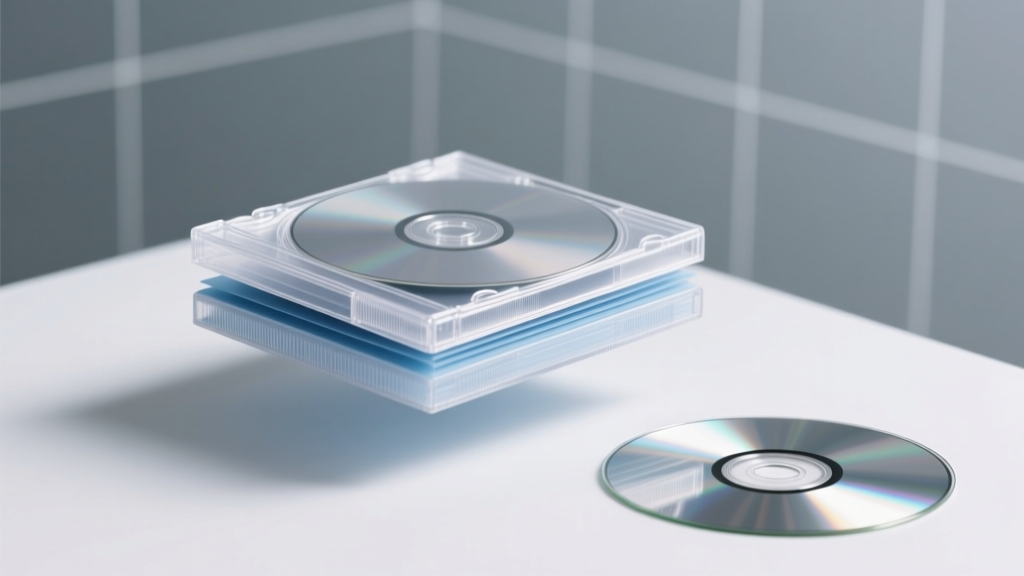
CD and DVD Case Material Comparison Guide - CarInteriorMix
Even if you?ve gone mostly digital, CD and DVD storage still matters inside a vehicle. Many cars on the road still have disc players, and plenty of owners keep physical media for road trips, kids? movies, audiobooks, navigation discs, or that favorite album that never made it to streaming. The right case material keeps your discs readable, quiet, and easy to access?while the wrong one can create scratches, rattles, melted pockets, and a messy center console.
This guide breaks down the most common CD and DVD case materials you?ll see in car organizers and home storage?and how they behave in a real automotive environment: heat cycling, UV exposure, vibration, and tight storage spaces. You?ll learn what to buy for your driving style, how to store discs properly, and how to avoid the mistakes that ruin discs (and your patience) on the road.
Why Case Material Matters in a Car Interior
A disc case isn?t just ?a box.? In a car, it becomes a piece of interior equipment. The material determines whether your collection stays protected or slowly degrades from daily driving conditions.
- Heat resistance: Cabin temps can exceed 140�F (60�C) in summer sun. Some plastics warp and adhesives soften.
- Scratch protection: Interior linings and hub designs can either secure the disc safely or micro-scratch it over time.
- Noise control: Hard materials can rattle on bumps; soft cases can reduce noise.
- Space efficiency: A bulky jewel case set won?t fit glove boxes or door pockets like a slim wallet or visor organizer.
- Ease of use: One-handed access matters when you?re parked at a rest stop or swapping discs for kids in the back seat.
Quick Overview: The Most Common CD/DVD Case Materials
You?ll typically run into these case types when shopping for car-friendly CD/DVD storage:
- Hard plastic jewel cases (polystyrene)
- Soft vinyl or PVC wallets
- EVA molded cases (semi-rigid, shock-absorbing)
- Fabric/nylon wallets with sleeves
- PU or genuine leather organizers
- Cardboard/paper sleeves (often with a clear window)
- Hybrid cases (plastic shell + fabric sleeves, or fabric shell + plastic hubs)
Material-by-Material Comparison (What Works Best in Cars)
1) Hard Plastic Jewel Cases (Polystyrene)
Best for: Home storage, collectors, minimal driving vibration environments.
Common in: Original CD packaging and multi-disc ?stack? cases.
- Pros:
- Excellent disc protection against bending
- Separate tray keeps disc surface from rubbing
- Easy labeling and sorting by spine
- Cons (car reality):
- Can crack when dropped or squeezed into tight door pockets
- Rattles easily in glove boxes and consoles
- Bulkier than wallets?poor space efficiency
Real-world example: If you toss 10 jewel cases into a center console, they?ll clack together over bumps and eventually crack at the hinges. If you?re set on jewel cases, keep them in a padded bin in the trunk, not loose in the cabin.
2) Vinyl/PVC CD Wallets
Best for: Compact storage when you want maximum discs in minimum space.
- Pros:
- Very space-efficient
- Quiet?soft exterior reduces rattles
- Usually inexpensive and widely available
- Cons (car reality):
- Heat can make vinyl feel tacky; some materials can off-gas odor
- Cheaper sleeves can scuff discs over time if the lining is rough
- Zippers can fail; teeth can scratch if you?re careless
Practical tip: If you choose a vinyl wallet, look for soft, non-woven sleeves and a cloth-lined interior. Avoid slick, thin plastic sleeves that feel ?crispy??those tend to trap dust and create swirl marks.
3) EVA Molded Cases (Semi-Rigid)
Best for: Car use, road trips, families?especially when discs get handled often.
- Pros:
- Excellent impact protection and crush resistance
- Better shape retention in heat than many soft wallets
- Often includes sturdy zippers and a structured spine
- Cons:
- Bulkier than slim wallets
- Some EVA cases still use low-quality sleeves?check lining
Real-world example: A semi-rigid EVA case in a door pocket is far less likely to warp, fold, or crack. It?s also easier to grab quickly without bending the discs when you?re parked.
4) Fabric/Nylon Wallets (Polyester or Nylon Shell)
Best for: Everyday drivers who want durable, no-fuss storage.
- Pros:
- Durable outer shell with good abrasion resistance
- Usually handles temperature swings well
- Often lighter than hard cases with decent structure
- Cons:
- Quality varies?cheap stitching and weak zippers happen
- If sleeves are too tight, discs can be hard to remove without touching the data surface
Practical tip: For car interiors, nylon/fabric wallets with reinforced zipper tracks and binding tape around the edges last longer. If the edge looks like raw fabric, it frays faster in glove boxes.
5) PU Leather vs. Genuine Leather Organizers
Best for: A more premium look that matches upscale interiors; gift-worthy organizers.
- Pros:
- Premium appearance?pairs well with luxury interiors
- Often more structured than basic fabric wallets
- Comfortable to handle; generally quiet in storage
- Cons:
- PU leather can peel over time, especially with heat and sun exposure
- Genuine leather can dry out and stiffen if left in hot vehicles regularly
- Typically higher price for similar disc capacity
Car-friendly advice: If you park outside in hot climates, a high-quality nylon or EVA case often ages better than low-grade PU leather. If you love the leather look, condition genuine leather occasionally and store it away from direct sunlight (not on the rear deck).
6) Cardboard/Paper Sleeves
Best for: Temporary use, backup discs, or when you want ultra-thin storage.
- Pros:
- Very slim and lightweight
- Easy to label
- Cheap for bulk storage
- Cons (car reality):
- Low moisture resistance?warps with humidity or spills
- Edges can scuff discs, especially if dust gets inside
- No real impact protection in a moving vehicle
Real-world example: A paper sleeve in a glove box next to a pen or key fob can quickly turn into a scratched disc. If you use paper sleeves, keep them in a rigid folder or a small plastic bin.
Which Case Material Should You Choose? (Use-Case Recommendations)
Best Overall for Most Cars: EVA Semi-Rigid Case
- Great balance of protection, noise control, and durability
- Ideal for glove box, under-seat storage, or door pockets
Best for Maximum Capacity in Small Spaces: Quality Fabric or Vinyl Wallet
- Choose cloth-lined sleeves and a sturdy zipper
- Perfect for center consoles where space is tight
Best for Collectors and Home-to-Car Transfers: Jewel Cases (Stored in a Bin)
- Keep discs in jewel cases at home
- Transfer a few discs at a time into a car wallet for daily use
Best for a Premium Interior Look: Leather/PU Organizer (High Quality Only)
- Pick thicker material with neat stitching and a firm spine
- Avoid leaving it in direct sunlight for long periods
Step-by-Step: How to Set Up a Disc Storage System That Works in Your Car
Step 1: Decide where the case will live
- Glove box: Best for low-traffic storage; choose medium size to avoid cramming.
- Center console: Choose a compact wallet with quiet materials.
- Seat-back pocket: Use a structured case; avoid floppy sleeves that fold.
- Trunk: OK for extra discs, but avoid extreme heat and loose sliding.
Step 2: Pick the right capacity (don?t overbuy)
For most drivers, 24?48 discs is plenty. Oversized 128-disc books become heavy, awkward, and more likely to get tossed around.
Step 3: Organize for quick access
- Front section: ?frequent plays? (top 10?15)
- Middle: road trip albums / kids? favorites
- Back: backups, seasonal music, rarely used discs
Step 4: Insert discs correctly
- Hold the disc by the edges or center hole?avoid touching the shiny data surface.
- Slide into the sleeve gently, label side up if the wallet is designed that way.
- Make sure the disc sits flat and doesn?t bend the sleeve seam.
Step 5: Choose a safe placement in the cabin
- Avoid placing cases on the rear deck (UV + heat).
- Don?t wedge cases against sharp metal seat rails.
- Keep away from spill zones (cupholders, leaky water bottles).
Product Comparison Checklist (What to Look For Before You Buy)
Whether you?re shopping online or in-store, use this checklist to separate a durable car CD/DVD case from a cheap one.
- Sleeve lining: Look for soft, non-woven fabric or microfiber-style lining.
- Disc retention: Sleeves should hold discs firmly without requiring force to remove them.
- Zipper quality: Smooth pull, no snagging, and a protective zipper flap is a plus.
- Spine structure: Reinforced spine helps the case keep its shape in glove boxes.
- Odor check: Strong chemical odor often means low-quality vinyl or adhesives.
- Heat tolerance: Favor EVA and quality textiles for hot climates.
- Labeling: Index pages, label windows, or a small pocket for a disc list saves time.
Common Mistakes to Avoid
- Storing discs loose in the console: This is the fastest way to get scratches and dust contamination.
- Using rough, clear plastic sleeves: They can create fine scuffs, especially if grit gets inside.
- Overstuffing a wallet: When a case bulges, discs rub and sleeves tear at seams.
- Leaving cases in direct sun: Heat can warp materials and soften adhesives; UV accelerates cracking and peeling.
- Mixing dirty discs with clean ones: Dust transfers and turns sleeves into sandpaper over time.
- Handling discs by the shiny side: Fingerprints and oils increase skipping and attract debris.
Practical Tips for Long-Term Disc and Case Care
- Clean discs before storage: Use a microfiber cloth and wipe from center outward (not in circles).
- Dust the case occasionally: A quick shake-out (away from the car) helps remove grit.
- Rotate seasonal discs: Keep only what you use often in the cabin to reduce clutter.
- Temperature strategy: If your car sits in extreme heat daily, move the case indoors when possible.
- Quiet-rattle fix: If a case thumps in a door pocket, add a thin felt pad or keep it in a small organizer bin.
FAQ: CD and DVD Case Materials for Car Use
What?s the best case material for hot climates?
EVA semi-rigid cases and quality nylon/fabric wallets tend to handle heat cycling better than cheap vinyl or low-grade PU leather. Also avoid storing any case in direct sun.
Can CD wallets scratch discs?
Yes. Wallets with rough plastic sleeves, dirty interiors, or overly tight pockets can scuff discs over time. Choose cloth-lined sleeves and keep the case clean.
Are jewel cases safe for the car?
They protect discs well, but they?re bulky and crack-prone in tight cabin storage. If you use jewel cases, keep them in a padded bin and avoid stacking them loose in the glove box.
Is leather better than fabric for disc organizers?
Not automatically. Leather (or PU leather) can look great, but heat and sun can dry, warp, or peel certain finishes. A well-made fabric or EVA case often outlasts a budget ?leather-look? organizer in daily car use.
How many discs should I keep in my vehicle?
Most drivers do well with 24?48 discs. Keep a curated selection for convenience and store the rest at home to reduce clutter and heat exposure.
Where should I store a disc case in the car?
The glove box or a center console is usually best. Avoid the rear deck and floor areas where heat, sunlight, and spills are more likely.
Next Steps: Choose the Right Case and Set It Up Once
Start by deciding where you want the case to live (glove box, console, or seat-back), then pick a material that matches your climate and how often you?ll access discs. For most car owners, a semi-rigid EVA case or a quality fabric wallet with soft-lined sleeves delivers the best mix of protection, quiet storage, and durability. Once your discs are organized and easy to reach, you?ll spend less time searching and more time enjoying the drive.
Want more practical storage and interior care guides? Explore the latest tips and how-tos on carinteriormix.com.