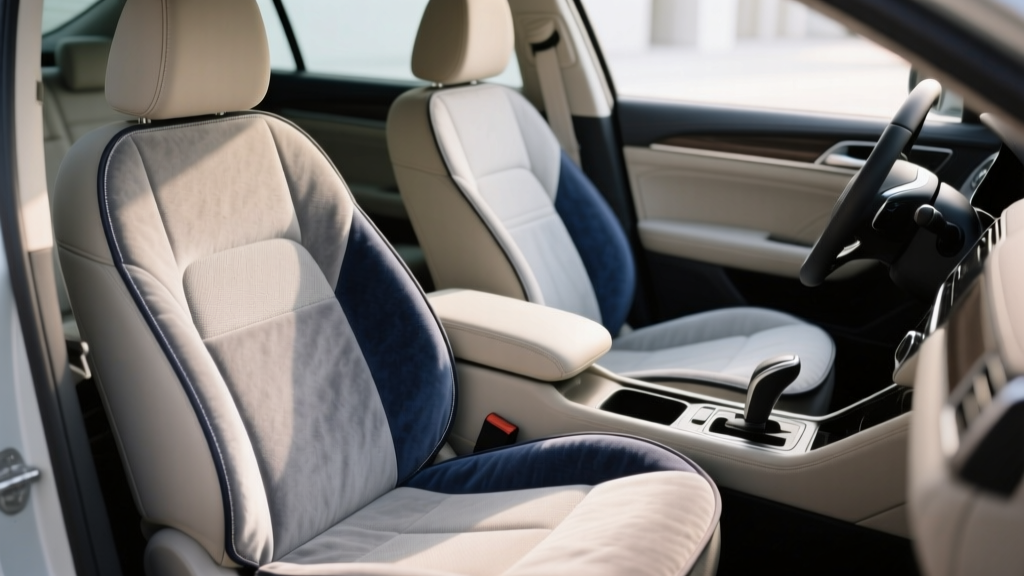
Microfiber Seat Covers: Budget-Friendly Options (2026)
Microfiber seat covers have become a go-to upgrade for drivers who want a cleaner, more comfortable cabin without spending luxury-car money. Whether you?re protecting brand-new upholstery, hiding wear on an older interior, or simply upgrading the look of your seats, microfiber can deliver a surprisingly ?premium? feel at a budget-friendly price.
For daily drivers, rideshare vehicles, work trucks, and family cars, seat covers aren?t just about appearance?they?re about reducing long-term maintenance costs. Spilled coffee, muddy shoes, pet hair, gym sweat, and sun exposure all add up over time. A solid set of microfiber covers can take the abuse so your original seats don?t have to.
This guide breaks down what to look for, the best low-cost microfiber-style options, how to choose the right fit, and how to install and maintain them so they look good for the long haul.
Why Microfiber Seat Covers Make Sense on a Budget
Microfiber is a tightly woven synthetic fabric (usually polyester or a polyester blend) designed to feel soft while resisting stains and everyday wear. In the seat cover world, ?microfiber? can mean true microfiber suede (often called microsuede) or microfiber-like polyester fabrics marketed as such. Either way, the value comes from comfort and practicality.
Key benefits for everyday drivers
- Comfort in all seasons: Less ?hot and sticky? than many vinyl covers, and more breathable for daily commutes.
- Stain resistance: Spills tend to bead more than they do on basic cloth.
- Great for pets and kids: Microfiber holds up well against claws, crumbs, and general mess.
- Interior refresh: A smart way to cover fading fabric or minor cracking on older seats.
- Affordable range: Many solid sets land in the $30?$120 zone depending on fit and features.
Microfiber vs. other budget materials
- Microfiber vs. neoprene: Neoprene is water-resistant and rugged, but often costs more and can feel warm in summer.
- Microfiber vs. basic polyester cloth: Standard cloth is cheap but stains more easily and can look ?flat? quickly.
- Microfiber vs. faux leather: Faux leather looks sharp, but budget versions can crack and get slick/hot.
- Microfiber vs. mesh covers: Mesh breathes well, but can snag and doesn?t hide seat wear as effectively.
What ?Budget-Friendly? Really Means: Price Tiers and What You Get
Not all low-cost seat covers are created equal. Here?s a realistic breakdown of what you can expect at different price points.
$30?$60: Universal fit basics
- Typically ?microfiber feel? polyester, not true microsuede
- Works best if you?re okay with a looser fit
- Good for protecting seats from dirt and light spills
- Often includes only front covers (rear sold separately)
$60?$120: Better fabric, better fit systems
- More consistent stitching and thicker fabric
- Extra straps, hooks, and sometimes foam backing to reduce slipping
- May include front + rear bench coverage in a set
- Frequently includes headrest covers and console cover options
$120?$200: Entry-level semi-custom or vehicle-specific patterns
- Better alignment with seat contours
- Openings for armrests and headrests are more precise
- Often includes compatibility options for split rear benches (60/40, 40/20/40)
How to Choose Microfiber Seat Covers That Actually Fit
The biggest difference between ?these look great? and ?why do my seats look baggy?? is fit. Use this quick checklist before you click Buy.
1) Confirm your seat type and layout
- Front seats: bucket, high-back, low-back, integrated headrest, removable headrest
- Rear seats: full bench, split bench (60/40), fold-down armrest, fixed headrests
2) Check airbag compatibility (non-negotiable)
If your vehicle has side airbags in the seat, the cover must be labeled ?airbag compatible? or ?side airbag safe?. Look for:
- Special tear seams on the outer seat bolsters
- Brand documentation stating compatibility
- Reviews from owners of similar vehicles confirming fit
3) Look for anti-slip features
- Silicone or rubberized backing panels
- Multiple anchor straps (not just one elastic band)
- Seat-bottom anchors (?chucks?) that push into the seat crack
4) Choose the right microfiber ?style? for your needs
- Microsuede feel: Softer, upscale look, great for hiding worn cloth
- Smooth microfiber/poly blend: Easier cleanup, less lint cling, usually cheaper
- Quilted microfiber: More padding and visual appeal, often slightly warmer
Budget-Friendly Microfiber Seat Cover Options Worth Considering
These categories help you shop smarter and compare options across brands without getting lost in marketing terms. Prices vary by vehicle and package size, so use them as guidelines rather than exact numbers.
Option A: Universal microfiber ?front pair? sets (best for commuters)
Best for: daily drivers who want basic protection and a clean look on a budget.
- Typically includes two front seat covers + two headrest covers
- Look for a 3-strap system (back, bottom, and center) for less sliding
- Choose darker colors (black, charcoal) for the most stain forgiveness
Real-world example: If you drive a compact sedan to work and eat lunch in the car, a simple microfiber front set can prevent food stains and reduce seat fabric fading from sun exposure?especially on the driver?s side bolster.
Option B: Microfiber ?full set? universal kits (best for families)
Best for: drivers who need front + rear coverage and quick cleanup.
- Look for rear-bench compatibility with split folds if you use the trunk pass-through
- Prioritize machine-washable covers (verify on the label)
- Check for rear headrest coverage?often missing in cheaper kits
Tip: For kids and snack spills, pick a microfiber blend with a smoother surface. It?s easier to vacuum crumbs and wipe messes without the fabric ?grabbing? debris.
Option C: Low-cost semi-custom microfiber (best for a cleaner, tailored look)
Best for: owners who want a more factory-like appearance without paying for premium custom covers.
- Better cutouts for seat controls, headrests, and armrests
- Less wrinkling and bunching around the seat base
- Usually the best choice for vehicles with tricky rear seating layouts
Buying shortcut: If your rear seat has a 40/20/40 split or a fold-down armrest, semi-custom patterns can save you a lot of frustration versus universal ?one-piece rear bench? covers.
Option D: Microfiber ?seat protector? style (best for pets and gym life)
Best for: protecting one seat (often the rear bench or passenger seat) from heavy mess.
- Great for dog hair, muddy paws, and wet swimsuits
- Usually installs fast with headrest straps and seat anchors
- Often cheaper than a full set and more practical for targeted protection
Step-by-Step: How to Install Microfiber Seat Covers So They Don?t Slide
Most complaints about seat covers come down to rushed installation. Plan for 30?60 minutes for the front seats and more if you?re doing a full set.
Tools and supplies (optional but helpful)
- Vacuum and interior cleaner
- Plastic trim tool (for tucking straps without scratching)
- Small flashlight (seat rail areas are dark)
- Scissors (to trim zip ties or packaging?never cut the cover)
Installation steps
- Clean first: Vacuum the seat seams and wipe down surfaces. Dirt under a cover acts like sandpaper over time.
- Test fit the cover: Identify the top, bottom, and airbag seam area before attaching anything.
- Install the seatback portion: Slide it over the headrest posts (or remove headrests if possible). Pull evenly down the sides.
- Secure the seatback straps: Connect straps behind the seatback. Tighten gradually, alternating sides to keep it centered.
- Install the seat bottom: Push the cover into the seat crack using your hand or a trim tool.
- Insert anchors/chucks: Push anchors deep between the seat bottom and backrest to reduce bunching.
- Attach under-seat hooks: Hook to sturdy seat frame sections (avoid sharp edges and moving parts).
- Check seat controls and airbags: Make sure levers, power controls, and seatbelt buckles are accessible and not stressed.
- Sit and adjust: A quick ?sit test? reveals slack. Tighten straps again after the fabric settles.
Care and Maintenance: Keeping Microfiber Looking New
Microfiber is forgiving, but it still benefits from a simple routine.
Weekly quick-clean routine
- Vacuum using a soft brush attachment to lift dust and crumbs
- Use a lint roller for pet hair (especially on microsuede-style fabric)
- Wipe light spills immediately with a damp microfiber towel
Spot cleaning for stains
- Blot?don?t rub?so you don?t push the stain deeper.
- Use a mild upholstery cleaner or a small amount of gentle soap diluted in water.
- Work from the outside of the stain inward to prevent spreading.
- Air dry completely before driving if the seat feels damp.
Machine washing (only if the label allows it)
- Cold or gentle cycle, mild detergent
- Avoid fabric softener (it can reduce microfiber?s performance and attract lint)
- Air dry when possible to prevent shrinking or warped foam backing
Common Mistakes to Avoid
- Buying without checking airbag compatibility: If your seats have side airbags, a random universal cover can be a safety risk.
- Ignoring seat layout details: Rear armrests, split benches, and fixed headrests can make certain ?one-size? covers unusable.
- Skipping cleaning before install: Trapped grit leads to premature wear and weird lumps.
- Over-tightening straps immediately: Tighten gradually, then re-tighten after you sit in the seat and the fabric settles.
- Choosing light colors for heavy use: Beige and light gray look great?until you add blue jeans dye, coffee, and kids.
- Blocking seatbelt buckles: Covers should never interfere with buckling. If they do, return them or choose a compatible design.
Quick Comparison: Which Budget Microfiber Option Fits Your Lifestyle?
- Commuter car, low mess: Universal front microfiber pair (lowest cost, fastest install)
- Family vehicle, frequent crumbs/spills: Universal full set with machine-washable fabric
- Enthusiast who wants a cleaner ?OEM-like? look: Semi-custom microfiber for better contours
- Dog owner or outdoor hobbies: Microfiber seat protector (targeted protection, easy removal)
FAQ: Budget-Friendly Microfiber Seat Covers
Are microfiber seat covers actually durable?
Quality varies, but decent microfiber blends hold up well for daily driving?especially compared to thin bargain cloth. Look for reinforced stitching, thicker fabric, and strong anchor systems. Durability also depends on installation: a loose cover that shifts constantly wears out faster.
Will microfiber seat covers make me sweat in summer?
Microfiber is typically more comfortable than vinyl or cheap faux leather. Quilted or foam-backed covers can run warmer, so if you live in a hot climate, choose a lighter, smoother microfiber blend and keep them snug so air can move around you naturally.
Do microfiber covers work with heated seats?
Many do, but the heat transfer may feel slightly muted depending on thickness and backing. If heated-seat performance matters, avoid very thick padded covers and confirm the product description mentions heated seat compatibility.
How do I stop microfiber seat covers from sliding around?
Use every strap and anchor provided, push the material deep into seat creases, and tighten in stages. If the kit includes foam anchors (?chucks?), they make a big difference. Also, make sure hooks attach to a stable seat frame area, not a moving rail.
Can I put microfiber seat covers over leather seats?
Yes?many owners do this to prevent wear and reduce heat/cold shock from leather. Choose an anti-slip backing so the cover doesn?t migrate, and avoid anything with rough backing that could scuff delicate leather finishes over time.
What?s the best color for budget seat covers?
Black, charcoal, and dark gray are the easiest to maintain and hide stains. If your interior is light, two-tone covers (dark center panels with lighter sides) can balance looks and practicality.
Next Steps: Get the Right Set and Make Them Last
Start by measuring your needs: front-only protection or a full interior refresh, side-airbag compatibility, and how your rear seats fold and split. Then choose the best-fit option your budget allows?because a slightly better-fitting microfiber cover almost always looks cleaner and stays put longer.
Once installed, keep them looking sharp with a simple routine: vacuum weekly, blot spills quickly, and follow wash instructions exactly. Microfiber rewards basic care with a cabin that feels newer, cleaner, and more comfortable every day.
Want more practical interior upgrades and care tips? Explore more guides on carinteriormix.com for seat protection, detailing routines, and smart ways to keep your cabin looking its best.