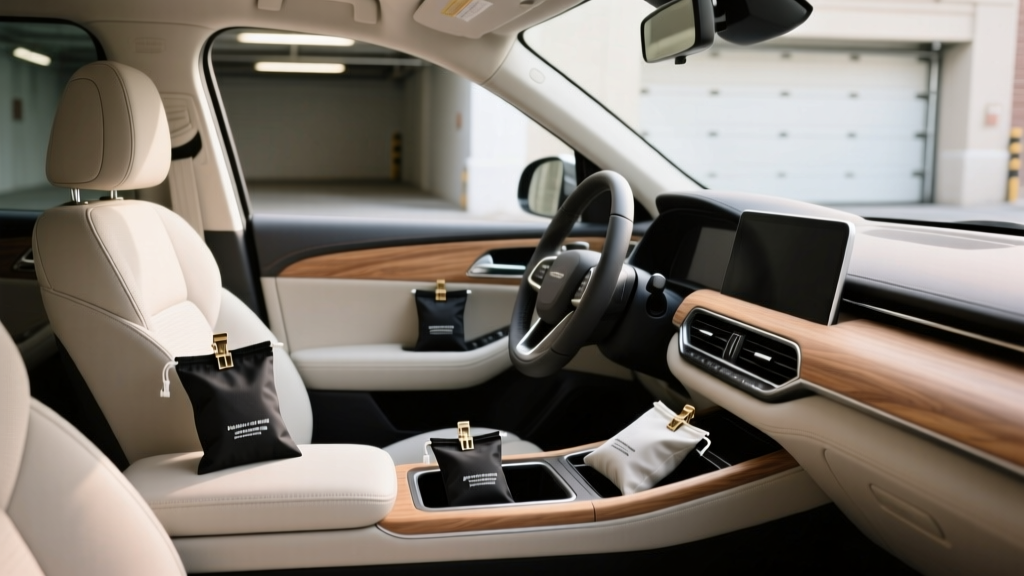
Activated Charcoal for Cars: Budget Placement Options (2026)
A clean-smelling cabin makes every drive feel better?whether you?re commuting, hauling kids, ridesharing, or just enjoying your car. The problem is that many ?new car smell? sprays and hanging air fresheners don?t actually remove odors. They mask them, and the scent can quickly turn stale, especially in hot weather.
Activated charcoal is different. It?s a porous, odor-absorbing material that can trap many of the volatile compounds responsible for that lingering smell of smoke, gym bags, pet funk, spilled coffee, or damp carpets. The best part for car owners: you don?t need an expensive purifier to benefit. With smart placement, a few low-cost charcoal pouches can noticeably improve how your interior smells.
This guide breaks down budget-friendly activated charcoal placement options that work in real cars (not just in ideal lab conditions). You?ll learn where to put charcoal for the biggest payoff, how many packs you actually need, and how to avoid common mistakes that make charcoal seem ?useless.?
How Activated Charcoal Works Inside a Car
Activated charcoal (also called activated carbon) has an enormous internal surface area. Think of it like a sponge for odor molecules rather than a perfume. In a car interior?where smells concentrate due to heat, fabric, and limited ventilation?activated charcoal can help reduce odors over time.
What it?s good at (and what it?s not)
- Great for: general musty odors, food smells, smoke residue (light-to-moderate), pet odors, damp interior smells, gym gear funk.
- Mixed results for: heavy mold/mildew, strong fuel smells, coolant leaks, severe smoke contamination.
- Not a fix for: the source problem (wet carpet, leaking heater core, moldy cabin filter). Charcoal helps manage odors, but you still need to clean/repair the cause.
Why placement matters more than people think
Charcoal can only absorb what reaches it. If you toss one small pouch under a seat and expect it to neutralize a fast-food smell embedded in the headliner, you?ll likely be disappointed. Effective placement means putting charcoal where air moves and where odor sources live.
Choosing Budget-Friendly Activated Charcoal Products
You?ll see charcoal marketed as ?bamboo charcoal,? ?activated carbon,? or ?odor absorber bags.? For cars, the most practical budget picks are reusable fabric pouches filled with activated charcoal granules.
What to look for
- Breathable outer fabric: Linen/cotton-style bags allow airflow. Avoid thick, coated, or plastic-lined pouches.
- Weight per pouch: For most vehicles, 200?500g total of charcoal in the cabin is a solid starting point.
- Reusability: Many bags can be ?recharged? by drying in the sun (more on that below).
- Low dust design: A tight weave reduces charcoal dust on carpet and seats.
- Neutral (no added fragrance): Fragrances can clash with interiors and trigger headaches.
Quick comparison: pouches vs. other charcoal options
- Charcoal pouches: Best balance of price, safety, and ease. Ideal for under seats, door pockets, and trunk.
- Loose charcoal in a container: Cheap but messy. Only worth it if you?re careful and keep it sealed in a perforated container.
- Charcoal ?filters? or vents clips: Convenient but often small capacity, meaning less odor absorption for the money.
- Disposable odor tubs (charcoal gel/beads): Can work, but many rely on fragrance or moisture-absorbing chemicals rather than activated carbon.
Best Activated Charcoal Placement Options (Budget-Friendly and Effective)
Below are proven locations that work in real-world driving. Mix and match based on your car?s odor source and layout.
1) Under the front seats (best all-around starting point)
This spot is popular for a reason: it?s hidden, protected, and sits near cabin airflow as people move and the HVAC circulates air.
- Recommended setup: 1 pouch under the driver seat + 1 pouch under the passenger seat.
- Best for: general odor control, food smells, daily commuting odors.
- Tip: Place the pouch closer to the center of the car rather than pressed against the door-side carpet. More airflow usually moves through the center tunnel area.
2) Rear footwells (great for family cars and rideshare)
Rear footwells collect a lot: wet shoes, sports gear, snack spills. Charcoal here targets odors close to the source.
- Recommended setup: 1 pouch behind the center console (rear passenger area) or one on each side if odors are strong.
- Best for: kid messes, damp carpet smell, ?stale? interior odor.
- Tip: Tuck pouches where they won?t get kicked?under the front seats but facing rear passengers works well.
3) Door pockets (surprisingly effective for small pouches)
Door pockets are ideal for compact charcoal bags because air exchange happens every time doors open, and they?re easy to access for recharging.
- Recommended setup: 1 small pouch in a front door pocket.
- Best for: keeping the ?first whiff? of the cabin neutral when you open the door.
- Tip: If you store wet umbrellas or bottles in door pockets, charcoal helps reduce that damp smell.
4) Trunk/cargo area (must-have for SUVs, hatchbacks, and pet owners)
Trunks hold groceries, gym bags, sports equipment, and sometimes a forgotten takeout container. Odors can migrate from the cargo area into the cabin?especially in hatchbacks and SUVs.
- Recommended setup: 1?2 larger pouches (or two medium pouches) placed near the spare tire well or side cubbies.
- Best for: pet odors, sports gear, grocery spills, musty cargo carpet.
- Tip: If you carry a cooler or fishing gear, dedicate one pouch to the cargo area permanently.
5) Under the rear seat (for lingering funk that ?won?t go away?)
Odors can get trapped in rear seat foam, spilled drinks, or damp insulation under the bench. A charcoal pouch under the rear seat can help manage those stubborn smells.
- Recommended setup: 1 medium pouch under the rear bench (if accessible).
- Best for: persistent musty odors, mystery smells after spills.
- Tip: If you suspect a spill, clean and dry first; charcoal is a helper, not a cleanup crew.
6) Center console storage (only if it?s vented or opened often)
A closed console doesn?t move much air. But if you frequently open it, or if your console has pass-through airflow, a small pouch can help reduce odors from snacks, hand sanitizer, or old receipts.
- Recommended setup: 1 small pouch.
- Best for: localized odors, keeping small spaces fresh.
- Tip: Keep charcoal away from sticky spills to prevent the bag from absorbing moisture and becoming less effective.
7) Glove box (limited value, but useful for ?paper smells?)
Glove boxes don?t circulate much air. Still, if you store oily manuals, detailing wipes, or strong-smelling products, a small pouch can keep that area neutral.
- Recommended setup: 1 small pouch.
- Best for: mild odors and keeping storage spaces from smelling stale.
Places to avoid (or use with caution)
- On the dashboard: heat and UV can degrade fabrics; pouches can become a projectile in hard braking.
- On seats: can leave marks or get crushed; also not discreet.
- Loose near pedals or seat rails: anything that can shift is a safety risk. Secure it or choose a better spot.
Step-by-Step: Setting Up Activated Charcoal in Your Car
Step 1: Identify the odor source
- Food smell: check under seats, between seat rails, and floor mats.
- Musty/damp: check carpets, trunk liner, and under mats for moisture.
- Smoke: check headliner, seats, and cabin air filter.
- Pet odor: focus on cargo area, seat fabric, and pet blankets.
Step 2: Clean first (even a basic clean helps)
- Remove trash and any odor source (old food containers, wet towels).
- Vacuum seats, carpets, and between cushions.
- Wipe hard surfaces with an interior-safe cleaner.
- If the odor is damp-related, dry the interior thoroughly before adding charcoal.
Step 3: Place charcoal strategically
- Start with two pouches under the front seats.
- Add one pouch in the trunk/cargo area if you have a hatch/SUV or carry gear.
- If odors persist after a week, add one pouch in the rear footwell or under the rear seat.
Step 4: Give it time (and help it with airflow)
- Activated charcoal is not instant like perfume. Expect noticeable improvement in 2?7 days for everyday odors.
- Run your HVAC on fresh air occasionally (not always recirculation) to move more cabin air past the pouches.
- On a dry day, crack windows for a short drive to exchange stale air.
Step 5: Recharge and maintain
Most charcoal bags can be recharged by placing them in sunlight. Follow the product label when possible, but this is a common routine:
- Remove the pouches from the car.
- Set them in direct sun for 2?4 hours (or as directed).
- Let them cool/dry, then return them to the vehicle.
Budget tip: Rotate two sets?one in the car, one recharging?if you?re fighting persistent odors.
Real-World Placement Setups (Examples You Can Copy)
Daily commuter sedan (light odors)
- 1 pouch under driver seat
- 1 pouch under passenger seat
Family SUV (snacks, kid spills, sweaty gear)
- 2 pouches under front seats
- 1 pouch in rear footwell (center)
- 1?2 pouches in cargo area
Rideshare vehicle (high passenger turnover)
- 2 pouches under front seats
- 1 pouch under rear seat (if accessible)
- 1 pouch in a front door pocket (easy to recharge weekly)
Pet owner hatchback (fur, wet-dog smell)
- 2 pouches under front seats
- 2 pouches in cargo area near pet blanket/storage bin
Budget Product Recommendations (What to Buy and How Much)
Rather than chasing a specific brand, focus on size and construction. Here are practical ?shopping list? options that fit most budgets.
Best value starter kit (most cars)
- Two medium pouches (around 200g each) for under the front seats
- One medium pouch for trunk or rear footwell
This setup usually costs less than a few months of disposable air fresheners and avoids the ?permanent cologne? effect.
For stubborn odors (smoke, persistent musty smell)
- Four medium pouches (two front, one rear area, one trunk)
- Optional: one larger pouch in the cargo area
If you?re dealing with smoke residue, pair charcoal with a cabin air filter replacement and fabric cleaning. Charcoal alone can struggle if the interior materials are saturated with odor.
Common Mistakes to Avoid
- Using too little charcoal: One tiny bag in a large SUV is like using one paper towel to dry the whole car. Increase total grams before giving up.
- Hiding it in sealed compartments: Charcoal needs airflow. A tightly closed bin won?t help the cabin smell.
- Skipping the source cleanup: Wet carpet, mold, spilled milk, and smoke residue require cleaning. Charcoal is support, not a cure.
- Letting bags get damp: If a pouch absorbs moisture from a spill, it can become less effective and may smell musty itself. Keep pouches away from wet floor mats.
- Placing bags where they can interfere with driving: Avoid anywhere near pedals, seat tracks, or areas where they can slide forward.
- Never recharging or replacing: Charcoal doesn?t last forever. Recharge regularly and replace when performance drops.
FAQ: Activated Charcoal for Car Odors
How many activated charcoal bags do I need for my car?
For most sedans and compact cars, start with two medium pouches under the front seats. For SUVs/hatchbacks, add one or two in the cargo area. If odors are strong, increase total charcoal rather than relocating the same small pouch.
How long does activated charcoal take to remove odors in a car?
Light odors often improve within 2?7 days. Stubborn smells (smoke, damp interiors) can take longer and usually require cleaning and filter replacement alongside charcoal placement.
Does activated charcoal remove smoke smell from a car interior?
It can help reduce leftover smoke odors, but heavy smoke smell typically needs a multi-step approach: deep clean fabrics, replace the cabin air filter, and then use charcoal pouches to manage what remains.
Where is the best place to put charcoal bags in a car?
The most reliable spots are under the front seats and in the trunk/cargo area. Add the rear footwell or under the rear seat if you?re chasing a specific odor source.
How do I recharge activated charcoal bags?
Many reusable bags can be placed in direct sunlight for a few hours to drive off trapped compounds. Follow your bag?s instructions, and recharge more often if your car sits in humidity or you drive with pets/gear.
Are charcoal bags safe for car interiors?
Generally yes, as long as the bag is well-made and placed securely. Avoid ripping the pouch (charcoal dust can stain), and keep it away from pedals and moving seat mechanisms.
Next Steps: Make Your Cabin Smell Neutral (Without Overspending)
If you want the biggest impact for the least money, start simple: vacuum, remove odor sources, then place two medium activated charcoal pouches under the front seats. After a week, evaluate. If your car is a hatchback/SUV or you carry gear, add a pouch in the cargo area and recharge monthly (or more often in humid seasons).
For more no-nonsense interior tips?cleaning routines, cabin air filter guides, stain removal, and odor control strategies?explore more how-to articles on carinteriormix.com.