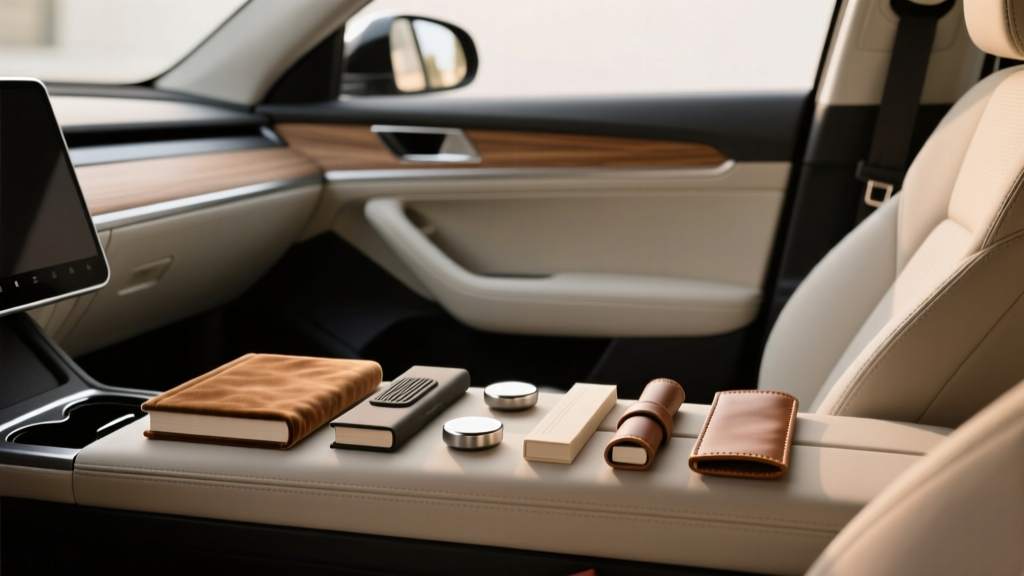
Book Rest Installation Materials: 2026 Comparison
A book rest (often called a seat-back book holder, rear-seat reading rest, or fold-down tray-style book stand) sounds like a small upgrade?until you ride with kids doing homework, adults traveling for work, or anyone who gets carsick staring down at a book. The right book rest keeps reading material steady, reduces neck strain, and helps passengers stay comfortable on longer drives.
But not all book rests are built the same. The installation method and the materials used?plastic, aluminum, steel, wood veneer, silicone, or fabric?directly affect stability, squeaks, interior wear, and how well the accessory holds up to heat, sunlight, crumbs, and everyday abuse. This guide breaks down the most common book rest types, compares materials in real-world conditions, and walks you through installation steps so you can choose the best match for your vehicle and passengers.
If you?re shopping for a book rest for a family SUV, a rideshare vehicle, a road-trip sedan, or a weekend track car with a stripped interior, this material comparison will help you avoid rattles, scuffs, and ?why did I buy this?? moments.
What Counts as a ?Book Rest? in a Car?
Car book rests generally fall into a few categories, each with different installation needs and ideal materials:
- Headrest-mounted book rests (clamp or strap onto headrest posts; most common and easiest)
- Seat-back pocket/book holder with a rigid rest (fabric organizer with a stiff panel for reading support)
- Console or center armrest book rests (rare; mostly for rear center armrests that fold down)
- Freestanding lap rests (not mounted; usually memory foam or rigid board with a cushion)
- Custom or DIY solutions (3D-printed, wood panels, or modified tablet mounts)
For most owners, headrest-mounted and seat-back organizer styles offer the best mix of stability and easy installation?so we?ll focus on those.
Material Comparison: What Your Book Rest Is Made Of (and Why It Matters)
When people complain about a book rest, it?s usually one of these issues:
- It wobbles or bounces over bumps
- It squeaks or rattles against seat hardware
- It scuffs leather or leaves pressure marks
- It warps after a hot summer day
- The hinge loosens and can?t hold a book open
Most of those problems come down to material choice and build quality. Here?s how the common materials stack up.
ABS Plastic (Most Common)
Best for: Budget-friendly installs, lighter books, occasional use
ABS plastic is the go-to for mass-market headrest-mounted book rests. Good ABS feels sturdy and slightly flexible; cheap ABS feels brittle and creaky.
- Pros: Lightweight, affordable, easy to mold into useful shapes (lip edges, page holders)
- Cons: Can squeak; cheaper versions warp in heat; hinges can loosen
- Interior friendliness: Depends on padding?look for rubber/silicone contact points
Real-world tip: If you live in a hot climate or park outside often, choose ABS with a reinforced hinge and a textured, UV-resistant finish. A glossy finish tends to show scratches and fingerprints faster.
Polycarbonate (PC) Plastic (Upgraded Plastic)
Best for: Daily use, families, rideshare vehicles
Polycarbonate is tougher than ABS and resists cracking better. It?s common in higher-quality mounts and accessories that take frequent handling.
- Pros: High impact resistance, better longevity, more stable under load
- Cons: Usually costs more; still benefits from padded contact points
- Interior friendliness: Good when paired with rubber inserts; can scuff if hard edges contact leather
Aluminum Alloy (Premium Stability)
Best for: Maximum rigidity, heavier hardcovers, long road trips
Aluminum book rests tend to feel ?solid? in a way plastics can?t match?especially at hinges and adjustment joints.
- Pros: Strong-to-weight ratio, excellent rigidity, better hinge feel, less bounce
- Cons: Can transmit vibration if not damped; edges must be well-finished to avoid scratches
- Interior friendliness: Excellent if the clamp surfaces are rubberized; risky if bare metal contacts trim
Practical tip: If you want aluminum, prioritize a model with rubber overmolded clamps and a locking adjustment knob. Those two details prevent both seat damage and slow sagging.
Steel (Strong but Heavier)
Best for: Commercial use, rugged durability, fixed setups
Steel components show up in clamps, brackets, and hinge pins rather than full platforms. Full steel platforms are less common because of weight.
- Pros: Very strong, holds alignment well, long-lasting hardware
- Cons: Heavier; can rust if coating fails; can rattle if tolerances are loose
- Interior friendliness: Depends heavily on padding and coating quality
Wood / Wood Veneer (Looks Great, Needs Care)
Best for: Luxury interior aesthetics, classic cars, curated builds
Wood book rests can look fantastic, especially in vehicles with wood trim. The downside is sensitivity to humidity and heat cycling.
- Pros: Premium look, warm feel, matches upscale interiors
- Cons: Can warp or crack if left in extreme heat; edges can chip; usually not ideal for kids
- Interior friendliness: Great if finished smoothly and padded at contact points
Silicone/Rubber Contact Surfaces (Not a Full Material, but Crucial)
Best for: Protecting seats and reducing squeaks
Even the best plastic or aluminum book rest can be annoying if it contacts the seat posts or upholstery directly.
- Pros: Prevents scuffs, reduces vibration and rattles, improves grip
- Cons: Cheap rubber can smell or get sticky over time
Shopping cue: Look for terms like TPR, silicone pads, rubberized clamps, or anti-slip inserts.
Fabric (Seat-Back Organizer Styles)
Best for: Storage + light reading support, families, everyday practicality
Fabric organizers with a rigid panel can double as a book rest. The fabric quality matters as much as the panel material.
- Pros: Adds storage, soft on interior surfaces, usually quiet (no rattles)
- Cons: Less rigid for heavy books, can sag, can get dirty and absorb odors
- Interior friendliness: Typically excellent; watch for abrasive backing materials
Quick Comparison Table: Choosing the Right Material
- Budget + occasional use: ABS plastic with padded clamps
- Daily use + durability: Polycarbonate (PC) or ABS+PC blend
- Heavier books + max stability: Aluminum with rubberized contact points
- Rugged/fleet use: Steel hardware + good damping/padding
- Luxury look: Wood/veneer (only if climate and usage are gentle)
- Storage-first practicality: Fabric organizer with a stiff panel insert
Before You Buy: Fitment and Interior Compatibility Checklist
Even a high-quality book rest can be a bad match if it doesn?t fit your seat design.
- Headrest post type: Confirm your headrest has exposed metal posts. Some integrated headrests don?t allow mounting.
- Post spacing: Measure the distance between posts. Many mounts cover common ranges, but not all.
- Seat material: Leather and soft-touch vinyl need wide, padded contact points to prevent dents.
- Rear passenger legroom: A large platform can hit knees in compact cars.
- Vehicle vibration: Trucks and stiff-suspension cars benefit from more rigid materials and better damping.
Step-by-Step: Installing a Headrest-Mounted Book Rest
This is the most popular style because it?s stable and doesn?t require tools in many cases.
Tools and prep (usually minimal)
- Microfiber towel (to protect upholstery)
- Measuring tape (optional but helpful)
- Hex key/Allen wrench (if your model uses set screws)
- Rubbing alcohol (for cleaning contact points, optional)
Installation steps
- Park on level ground and set the parking brake. You?ll be leaning into the cabin.
- Raise the headrest slightly to expose more post length (if adjustable). If it?s already high, you may not need to move it.
- Clean the posts with a dry microfiber towel. If they?re oily, lightly wipe with alcohol and let dry.
- Test-fit the clamp around the posts without tightening. Confirm it clears the seat back and doesn?t press into leather.
- Add or position the rubber pads (if included). Make sure every hard contact point has padding.
- Tighten evenly:
- If it?s a knob-tightened clamp, tighten until snug, then give a small additional turn.
- If it uses set screws, alternate between screws to keep the mount centered.
- Level the platform and lock the hinge. Put a book on it and gently tap the seat back to simulate bumps.
- Final check: Turn the platform from side to side. It shouldn?t rotate freely or slip down the posts.
Pro tip for squeaks: If you hear creaking, it?s usually plastic-on-metal or plastic-on-plastic movement. Reposition the rubber pad, or add a thin strip of felt tape where the clamp contacts the post.
Step-by-Step: Installing a Seat-Back Organizer Book Rest
This style is great when you want both a reading rest and storage for pens, snacks, wipes, and small devices.
- Unfold the organizer and identify the top straps and bottom anchors.
- Attach the top straps around the headrest posts (or the headrest itself if the design allows). Tighten so it sits flat.
- Secure the bottom:
- Some use elastic loops around the seat base.
- Others use hooks that tuck under the seat (be careful around airbags and wiring).
- Insert or confirm the rigid panel that provides the ?rest? function. If it?s removable, ensure it?s fully seated in its sleeve.
- Load it realistically (book + a few typical items). If it sags, tighten straps or reduce weight in the pockets.
Real-world example: In a family crossover, a fabric organizer with a stiff panel is often quieter than a hard plastic platform, especially if kids kick the seat back. You lose some rigidity, but you gain day-to-day sanity.
Product Recommendations: What to Look For (Without Chasing a Specific Brand)
Because fitment and build vary widely, the best ?recommendation? is a feature checklist. Use these to compare listings and product photos.
Best overall: Reinforced plastic (PC or ABS+PC blend) headrest mount
- Reinforced hinge with a defined locking position (not just friction)
- Rubberized clamp surfaces
- Wide support lip (helps keep paperbacks from sliding)
- Adjustable tilt angle for different passenger heights
Best for heavy books and stability: Aluminum platform with damped joints
- Locking knob or toothed hinge (prevents sagging)
- Rounded or chamfered edges
- Thick rubber pads on any seat-contacting surface
- Minimal play in the joints (check reviews for ?wobble?)
Best for storage + kids: Fabric organizer with rigid panel
- Oxford fabric or heavy-duty polyester with reinforced stitching
- Washable or wipeable surface
- Non-abrasive backing (won?t fuzz up seat upholstery)
- Straps that tighten securely and don?t loosen after a week
Common Mistakes to Avoid
- Over-tightening clamps on leather-backed seats: It can leave pressure marks or deform foam. Tighten only until secure.
- Skipping protective pads: Hard plastic against metal posts can squeak; against leather can scuff.
- Buying for looks only: A wood veneer rest might match your interior but can warp if the car sits in direct sun daily.
- Ignoring passenger space: Large platforms can hit knees in compact sedans or when the front seat is pushed back.
- Assuming ?universal fit? is universal: Integrated headrests and unusual post spacing can make some mounts unusable.
- Mounting where airbags deploy: Avoid routing straps or hooks near seat-mounted airbag panels.
Practical Tips for Long-Term Use
- Heat management: If you park outside, choose UV-stable plastics or aluminum, and avoid leaving a heavy book clamped in place all day.
- Noise control: Keep a small roll of felt tape in your glove box. It?s a quick fix for rattles.
- Cleaning: Plastic/aluminum: mild interior cleaner. Fabric: vacuum regularly and spot-clean to prevent odors.
- Check fasteners monthly: Vibration loosens knobs and screws over time?especially in trucks and performance cars.
FAQ: Book Rest Installation and Material Choices
Will a headrest-mounted book rest damage my seat?
It shouldn?t if it has proper rubber/silicone pads and you don?t over-tighten. For leather seats, choose a mount with wide padded contact points and periodically remove it to let the upholstery ?recover? if you notice impressions.
Which material holds up best in extreme heat?
Aluminum with quality rubber pads is typically the most heat-stable. Polycarbonate also performs well. Cheaper ABS plastics are more likely to warp or get noisy after repeated heat cycles.
Can I install a book rest if my car has integrated headrests?
Many headrest-post mounts won?t work because there are no exposed posts. Look for a seat-back organizer style, a console-based option, or a freestanding lap rest instead.
What?s better for kids: rigid plastic or fabric organizer style?
For most families, a fabric organizer with a stiff panel is the better daily solution: it?s quieter, softer, and adds storage. A rigid platform is more stable for reading, but it can be easier to kick and rattle.
How do I stop the book rest from wobbling?
First, re-tighten evenly and make sure pads are correctly placed. If there?s still movement, add thin felt tape or rubber shims at contact points, and choose a model with a locking hinge rather than friction-only joints.
Can a book rest double as a tablet stand?
Some can, but not all. If that?s your goal, look for a wider lip, adjustable tilt, and a grippy surface. For heavier tablets, aluminum or reinforced polycarbonate typically performs better than basic ABS.
Next Steps: Pick the Right Material, Then Install for Stability
Start by deciding how you?ll use the book rest: occasional paperback reading, daily homework support, or heavy hardcovers on long road trips. Then match the material to your reality?heat exposure, passenger habits, and how much you care about zero-rattle stability. If you?re unsure, a reinforced plastic headrest mount with padded clamps is the safest all-around choice, while aluminum is the move for maximum rigidity.
Once it arrives, take five extra minutes to protect your interior: clean the contact points, align the clamp carefully, and tighten just enough to stop movement. A clean install feels factory, stays quiet, and keeps every ride more comfortable for the passengers who actually read in your car.
Want more interior upgrade guides? Browse the latest how-tos and accessory comparisons on carinteriormix.com.