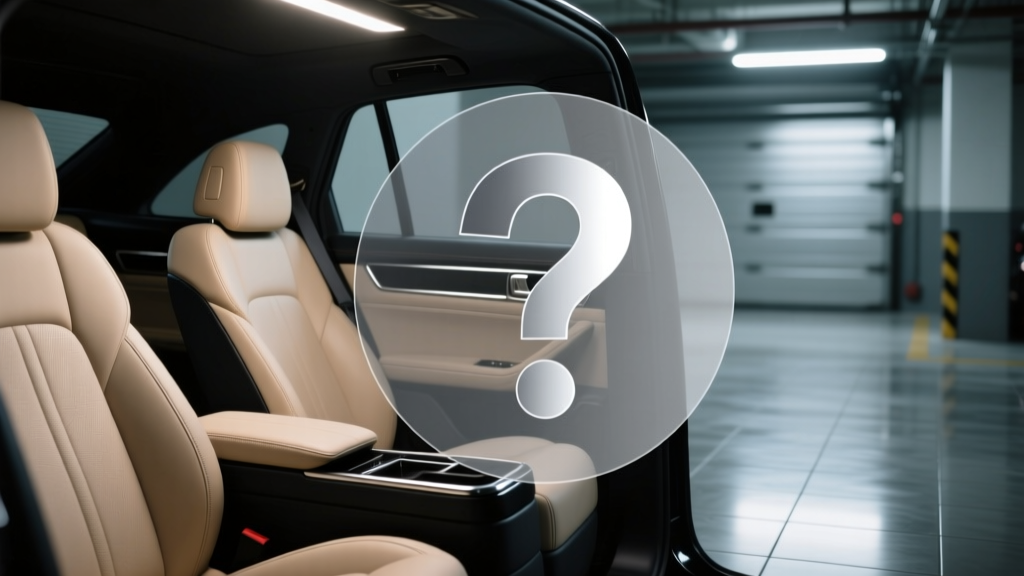
Car Interior Compatibility: Help Us Decide (2026)
Compatibility Questions Comparison: Help Us Decide
If there?s one thing that can turn a chill ?show us your setup? thread into a 70-comment debate, it?s compatibility. Not horsepower, not wheels?interior compatibility. Will that seat cover actually fit without bunching? Does that ?universal? floor mat really stay put? Will those LED strips throw error codes or flicker like a haunted arcade?
We all want the same thing: an interior that looks intentional, feels comfortable, and doesn?t create annoying daily issues. But we don?t all agree on the best way to get there. Some of us swear by OEM parts, some of us love the bargain finds, and some of us will spend hours measuring, test-fitting, and redoing everything until it?s perfect.
So let?s do this like a proper community hangout. We?re laying out a few common ?compatibility approaches? we see in our corner of the car interior world?each with pros, cons, and the kind of person it tends to work best for. Then we want you to weigh in: what actually works in real life?
Option 1: OEM or OEM-Adjacent Everything
Key idea: If it came from the manufacturer (or a trusted supplier that makes OEM-style replacements), it?s probably going to fit, match, and behave the way it should.
Pros:
- Fitment is usually spot-on: clips line up, seams sit right, and panels don?t rattle.
- Materials and colors tend to match the rest of the cabin better.
- Less risk of weird issues with sensors (seat occupancy, airbags, steering wheel controls).
Cons:
- Price can sting?especially for trim pieces, switches, and infotainment upgrades.
- Limited style choices if you want a more customized look.
- Availability can be annoying for older models (backorders, discontinued parts).
Works best for: The ?I just want it to fit the first time? crowd, daily drivers, and anyone nervous about messing with electronics or safety systems.
Option 2: ?Universal Fit? Accessories (With Realistic Expectations)
Key idea: Seat covers, floor mats, phone mounts, organizers, steering wheel covers?universal gear can be great, if we?re honest about what ?universal? actually means.
Pros:
- Easy entry point: affordable, quick wins, lots of styles.
- Great for experimenting without committing to permanent changes.
- Perfect for high-wear protection (muddy boots, pets, kids, rideshare use).
Cons:
- ?Universal? sometimes means ?kinda fits if you squint.? Bunching, sliding, gaps happen.
- Some products interfere with seat controls, airbags, or seatbelt access.
- Cheaper materials can fade, peel, or smell weird in summer heat.
Works best for: Budget builds, commuters, people who swap cars often, and anyone who wants protection more than perfection.
Option 3: Vehicle-Specific Aftermarket (The Sweet Spot?)
Key idea: Aftermarket brands that design for your exact make/model/trim can give us a cleaner look without the OEM price tag.
Pros:
- Better fit than universal: mats lock in, covers hug the seat, cutouts align.
- More style options than OEM (stitching colors, textures, patterns).
- Often better value: noticeable upgrade without going full dealership invoice.
Cons:
- Fit can still vary by trim level (sport seats vs. base seats, premium sound vs. standard).
- Quality depends heavily on the brand?two ?custom fit? items can feel wildly different.
- Returns can be a hassle if the company?s sizing guide is vague.
Works best for: Enthusiasts who care about a factory-like finish, but also want personality and options.
Option 4: Mix-and-Match + Light Fabrication (For the Tinkerers)
Key idea: Combine pieces, modify brackets, add foam, relocate clips, extend wiring?make it work because you can.
Pros:
- Maximum customization: we can build a cabin that no one else has.
- Lets us adapt parts from other trims or even other models.
- Huge satisfaction when everything finally clicks into place.
Cons:
- Time sink. A ?quick install? can turn into an all-weekend adventure.
- Higher risk: rattles, squeaks, electrical gremlins if wiring isn?t handled carefully.
- Resale and reversibility can be tricky if modifications are permanent.
Works best for: DIYers, modders, and anyone who enjoys the process as much as the result.
Option 5: ?Ask the Community First? Compatibility Strategy
Key idea: Before buying, we research: forums, groups, comment sections, photos, and that one person who already tried it on the exact same trim.
Pros:
- Real-world fitment info beats marketing copy every time.
- We learn the hidden details: ?fits sedan, not hatch,? ?works unless you have heated seats,? ?only fits if you swap the clips.?
- We avoid the expensive trial-and-error cycle.
Cons:
- Advice can conflict?two people swear opposite things about the same product.
- Some posts leave out key details (trim level, year changes, aftermarket seats already installed).
- It can delay the fun part: actually upgrading the interior.
Works best for: Everyone, honestly?especially if we?re dealing with electronics, safety features, or expensive parts.
Community Voice: What We?re Hearing All the Time
Scenario 1: ?I ordered ?custom? mats and the driver mat fit perfectly? but the passenger one wouldn?t sit flat because of the floor hump. The brand said it was correct. My friend?s same model year fit fine. Turns out my trim had an under-seat vent.?
Scenario 2: ?I?m not paying OEM prices for a center console lid. I found one online that looked identical. It clicked in, but the latch felt cheap and squeaked every time I leaned on it. I ended up adding felt tape and now it?s quiet?still saved money.?
Quote 1: ?If it says ?universal,? I assume I?m going to do some adjusting. I keep zip ties and Velcro in the glove box like it?s part of the tool kit.?
Quote 2: ?My rule is simple: anything near airbags or seat sensors is OEM only. Floor mats and organizers? That?s where I experiment.?
Quick Poll: Help Us Decide
If we ran a site-wide ?compatibility survival guide,? what should it focus on first?
- A) Seat covers: fit, airbag seams, heated seats, and wrinkles
- B) Floor mats: retention clips, sliding, coverage, and winter durability
- C) Stereo/infotainment: harnesses, trim kits, steering wheel controls
- D) Interior lighting: CANBUS issues, flicker, dimming, clean wiring routes
- E) Trim & panels: clips, rattles, scratch resistance, color matching
Discussion Prompts (Jump In)
- What?s your personal ?OEM only? line?safety sensors, electronics, or something else?
- Which has burned us the most: ?universal? seat covers or ?custom fit? mats?
- Do you trust brand sizing charts, or do you trust other owners with photos?
Drop your experience in the comments?tell us what you installed, your exact year/trim (that detail matters more than we wish it did), and whether it was a perfect fit, a ?close enough,? or a full return-and-refund situation. If you?ve got a simple fix that saved the day (felt tape, extra clips, different brackets, foam padding), share that too?those tips are gold.
So, what?s your vote: do we win compatibility by paying for OEM, hunting vehicle-specific aftermarket, or embracing the universal-fit chaos and making it work?